AngelEye

vip
Age 0.9 Year
Peak Tier 5
No content yet
Pin
#AIInfraShiftstoApplications #USStocksHitRecordHighs 📊 The State of the Market: "Selective Strength"
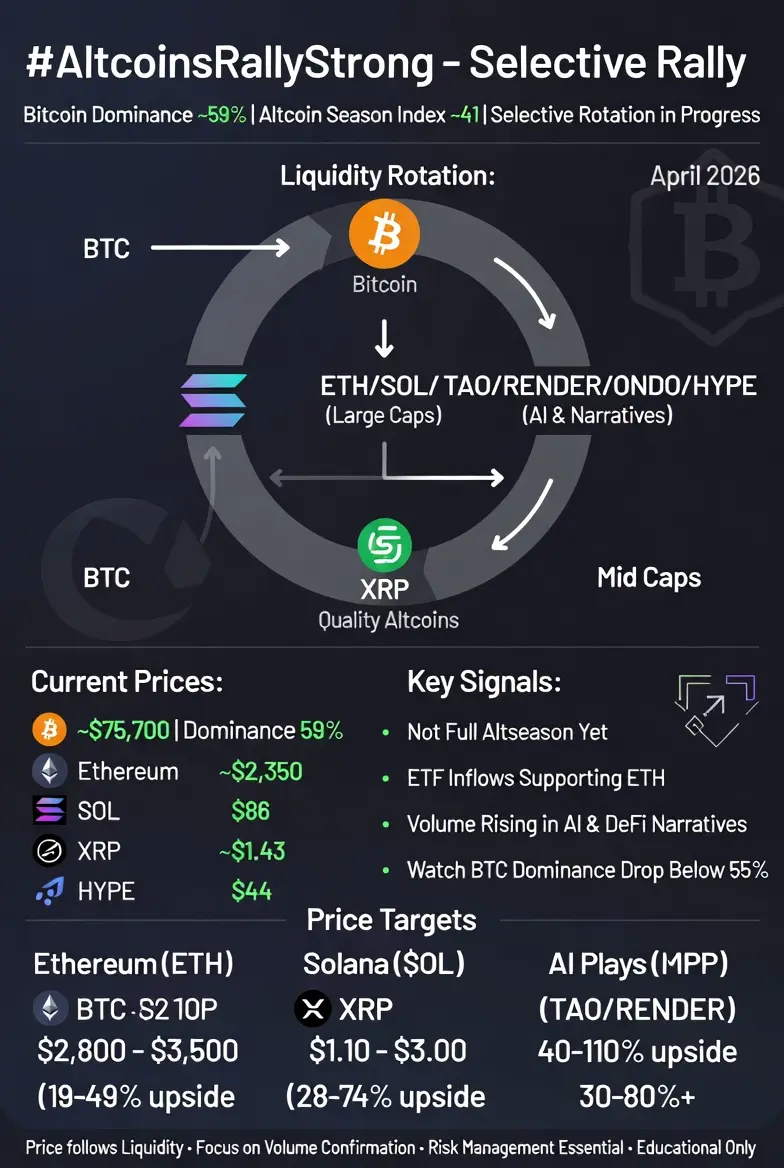
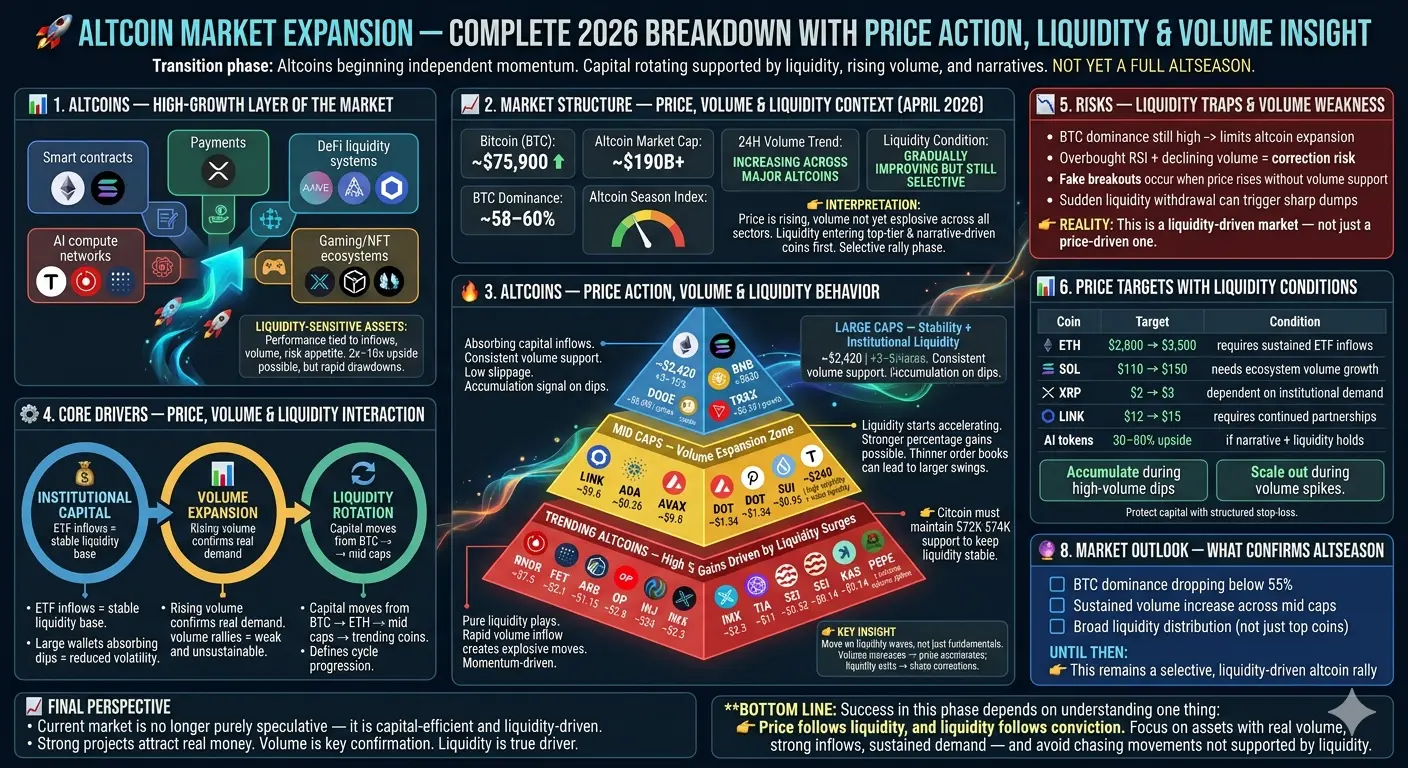
We are currently in a Phase 1.5 market. Bitcoin has established its high-ground ($75,700), but we haven't hit the "Total Altseason" threshold yet.
The 59% Barrier: With Bitcoin Dominance at 59.3%, the "Mother Ship" still holds the majority of the capital. A true Altseason requires this to drop toward 50–55%.
The Sentiment Gap: An Altcoin Season Index of 41 confirms that while some coins are "mooning," the broader market is still waiting for the green light.
🏗️ The Winning Narratives: Where th
BTC2.99%
ETH2.66%
SOL1.82%
XRP2.27%
post-image
post-image
post-image
  • Reward
  • 22
  • Repost
  • Share
BeautifulDay:
To The Moon 🌕
View More
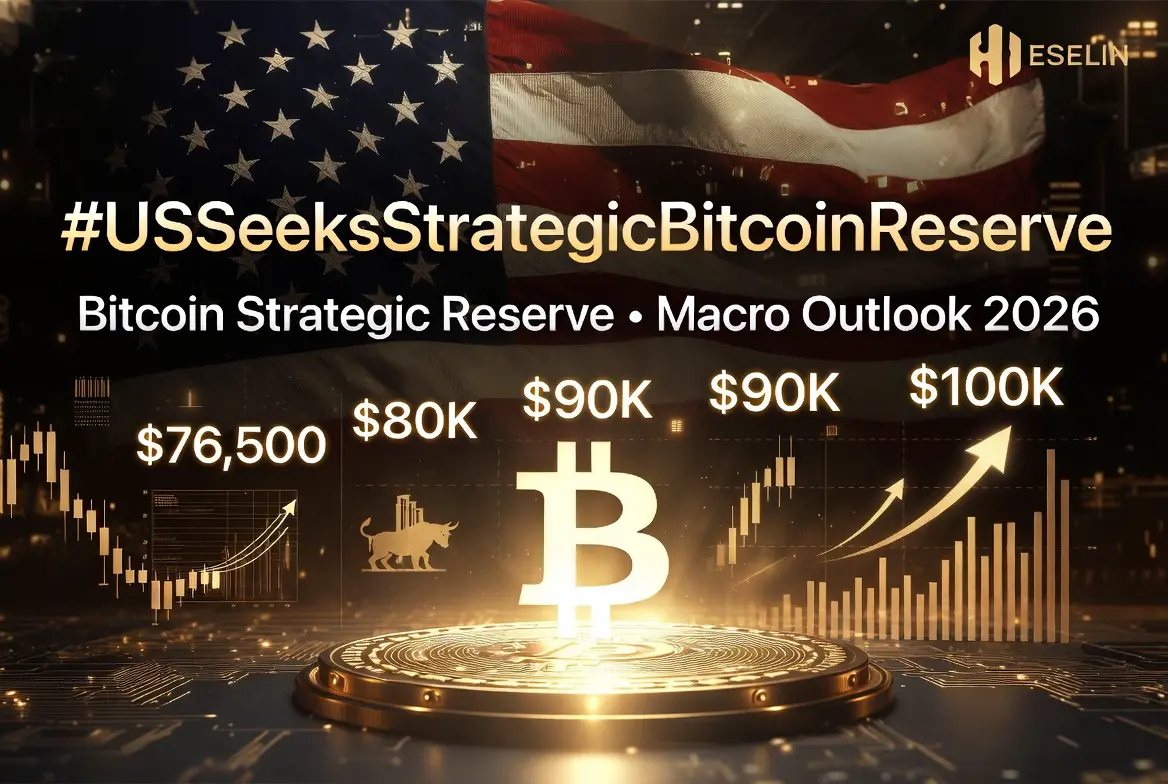
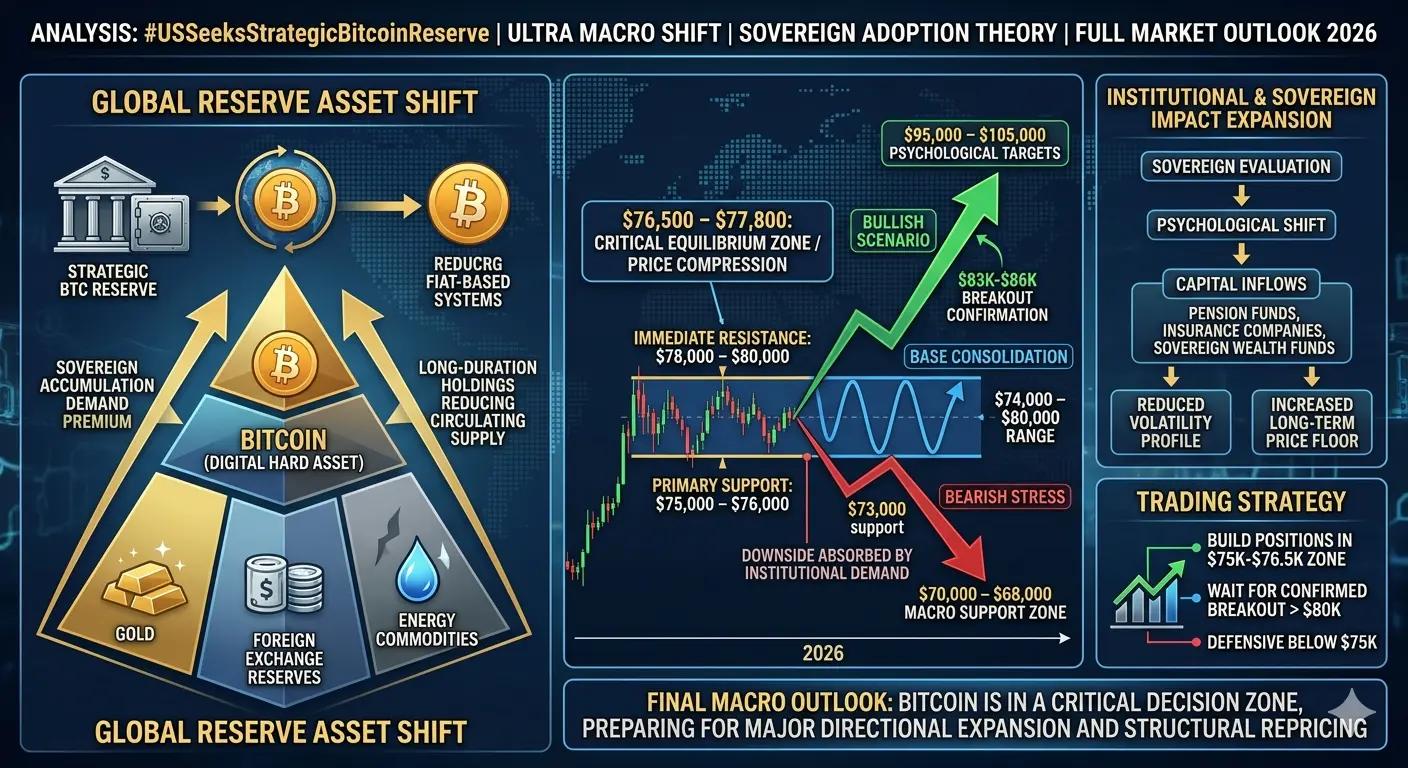
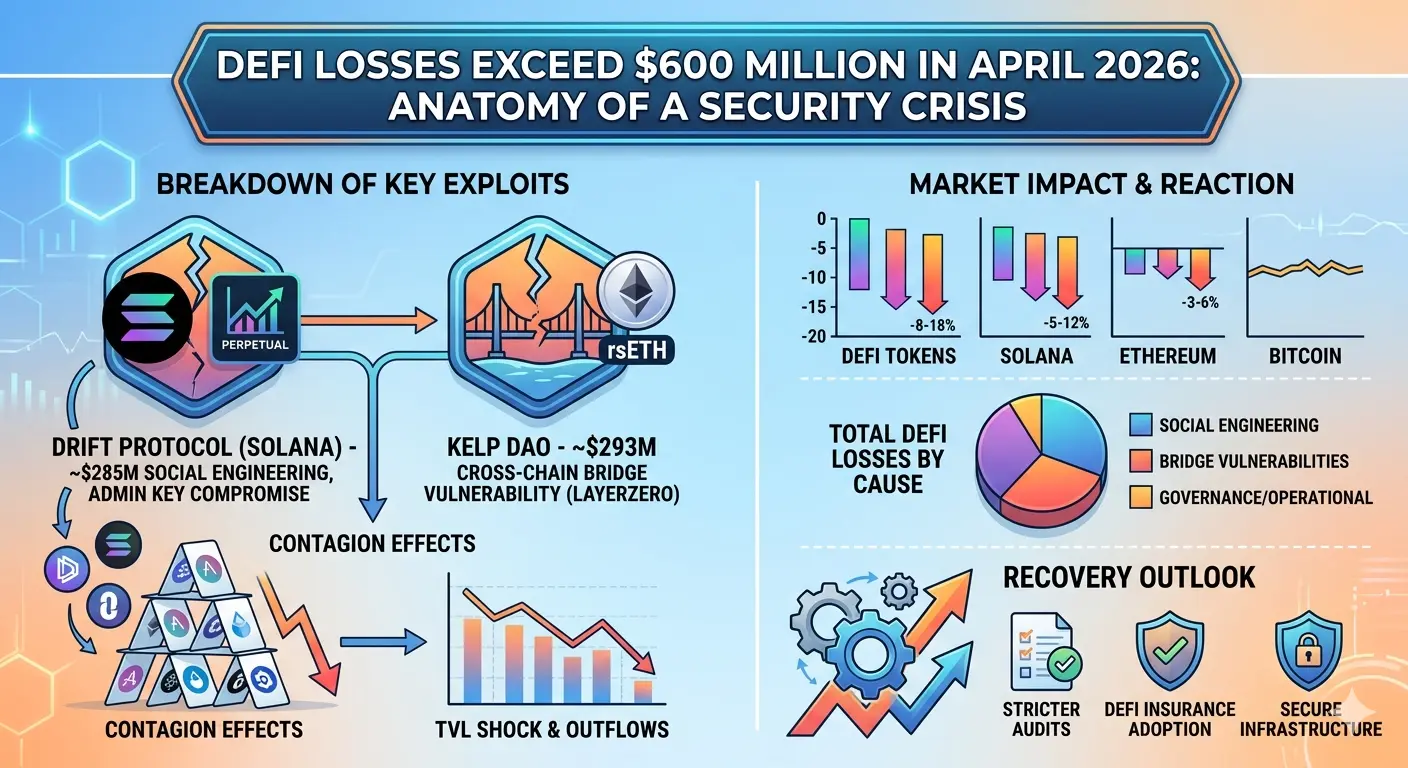
#USSeeksStrategicBitcoinReserve #DeFi4月安全事件损失超6亿美元 #Gate广场五月交易分享 Cross-Chain Bridges Are Not "Safety Bridges" | Dissecting Recent Attack Incidents and DeFi Security Weaknesses
In April 2026, two consecutive cross-chain bridge attacks shook the DeFi world again.
First, on April 18, KelpDAO was hacked due to a flaw in cross-chain verification configuration, resulting in the theft of approximately $293 million;
then, on April 29, Syndicate Commons' cross-chain bridge experienced a message verification failure, causing the token to plummet nearly 35%.
The attackers did not touch the core sma
Ryakpanda
#DeFi4月安全事件损失超6亿美元 #Gate广场五月交易分享 Cross-Chain Bridges Are Not "Safety Bridges" | Dissecting Recent Attack Incidents and DeFi Security Weaknesses
In April 2026, two consecutive cross-chain bridge attacks shook the DeFi world again.
First, on April 18, KelpDAO was hacked due to a flaw in cross-chain verification configuration, resulting in the theft of approximately $293 million;
then, on April 29, Syndicate Commons' cross-chain bridge experienced a message verification failure, causing the token to plummet nearly 35%.
The attackers did not touch the core smart contract code but exploited the "trust blind spot" in the design of the cross-chain bridge—faking a message, and the system obediently approved it.
These two incidents once again expose a core issue: **Cross-chain bridges are becoming one of the "biggest weak points" in blockchain security.**
For ordinary users and project teams, the warning from these events is: the underlying trust model of cross-chain bridges is being systematically challenged.
This article starts from the essence of risk and provides practical protective suggestions.
---
**1. Why Are Cross-Chain Bridges Prone to "Falling Over"?**
Frequent accidents in cross-chain bridges stem from several common design flaws:
1. **Verification mechanisms are too simple**
Single-node confirmation can be broken, allowing hackers to forge instructions. This "single point of trust" pattern is equivalent to having no defenses in a decentralized world.
2. **Lack of two-way reconciliation**
Events on the source chain are not recognized by the target chain, enabling forged messages to pass freely. It's like a bank only checking your check but not verifying your account balance by phone.
3. **Over-concentrated permissions**
Large funds pools without limits, delays, or multi-signature protections can be drained in one breach. Like a safe with keys held by only one person—lose the key, and it's all over.
4. **Insufficient auditing**
Many vulnerabilities are only discovered after months of operation, leaving attack windows open for a long time. Auditing at launch does not guarantee eternal security; new methods often emerge after audits.
Both incidents fundamentally stem from "trust in the wrong single link."
---
**2. Common Risk Types of Cross-Chain Bridges**
Every link in a cross-chain bridge can become a breach point; stay vigilant when using.
1. **Verification mechanism vulnerabilities**
Single-point verification is easy to break, allowing forged messages to pass. Once hackers control the verification node, they hold the "release button" for all cross-chain assets.
2. **Contract logic flaws**
Such as missing permission checks, reentrancy vulnerabilities, etc. These small code oversights often become backdoors repeatedly exploited.
3. **Centralized node risks**
If servers, APIs, or keys are compromised, the system can go out of control. Centralized components relied upon by cross-chain bridges are favorite targets for nation-state hackers.
4. **Data trustworthiness issues**
External data hijacked or tampered with can cause incorrect execution. Oracles or off-chain data sources being polluted can cause the entire bridge to "go in the wrong direction."
5. **Concentrated funds pools**
Large assets without risk controls can be quickly drained if breached. Storing all user funds in one pool is like setting a trap for hackers—an "all-in-one" opportunity.
Users don't need to remember all technical details—just understand: **every step of a cross-chain bridge can go wrong.**
---
**3. How Can Ordinary Users Protect Themselves?**
This part is most critical—many losses are actually due to operational habits.
✅ Minimize cross-chain operations frequency
Every cross-chain transfer involves handing assets to a third party; any link failure can lead to asset loss.
💡 Recommendations:
- Avoid frequent, multi-time cross-chain transfers unless necessary.
- Prioritize mature, well-established cross-chain bridges and avoid niche or obscure tools.
Core principle: the more cross-chain steps, the higher the exposure risk.
✅ Do not use "just launched" cross-chain bridges
Many bridges, when first launched:
- Have untested code in real-world scenarios
- May lack thorough audits, and risk controls are incomplete—precisely the "window" hackers love.
💡 Suggestions:
- Avoid newly launched or overly hyped projects
- Observe for a period to see if anomalies or security incidents occur
👉 Remember: "Newer" ≠ "Safer"; often, it’s riskier.
✅ Test with small amounts before large transfers
Many users transfer large sums directly, which is very risky. It’s recommended to first transfer a small amount to test the full process, confirm receipt, then proceed with larger amounts. Even if issues occur, losses are manageable.
👉 The purpose of this approach: even if problems happen, losses are controlled, avoiding "one-time big losses."
✅ Be cautious with approvals and signatures
Most cross-chain operations involve wallet contract approvals, which are the main entry point for asset theft.
⚠ Key risk points:
- Unlimited approvals: can transfer all assets in your wallet without restriction
- Blindly approving unknown contracts makes you vulnerable to phishing thefts
💡 Protective suggestions:
- Revoke approvals immediately after completing operations
- Be cautious with unfamiliar signatures; verify address and permissions before signing
✅ Use separate wallets for asset management to avoid "total loss in one go"
Many users store all assets in one wallet; if compromised (via approval abuse, private key leaks, etc.), all assets are at risk.
👉 Safer practices:
- Main wallet: only for storing large assets (no daily interactions)
- Operational wallet: for DeFi, cross-chain, and daily activities
- High-risk operations: use a new, dedicated wallet
📌 Protective effect: even if the daily interaction wallet is hacked or stolen, your core large assets remain unaffected, preventing total loss.
---
**4. Security Issues Project Teams Must Prioritize**
If users can "reduce risks," project teams must "prevent accidents."
1. **Decentralized verification**
Multiple nodes reaching consensus to eliminate single points of failure. At least 3 independent verification nodes, not sharing the same infrastructure.
2. **Minimal permissions + time locks**
Split admin permissions, enforce delays (e.g., 24 hours) on critical operations. Even if permissions are stolen, the team and users have reaction windows.
3. **Ongoing auditing and monitoring**
Audits before launch are just the start; continuous 24/7 monitoring of abnormal transactions is essential. Many attacks happen after audits; dynamic defense is more important than one-time checks.
4. **Fund isolation**
Don’t keep all assets in one pool; implement layered management. Separate protocol funds, user collateral, and platform fees. A breach in one does not affect all.
---
**Conclusion**
KelpDAO and Syndicate Commons incidents once again prove: **Cross-chain bridges are not "functional components" but "high-risk infrastructure."**
From verification flaws to permission loss, every link can be an attack vector. Although the methods differ, the essence is the same: **trust assumptions are overly simplistic.**
For ordinary users: reducing cross-chain operations, cautious approvals, and asset diversification are the most effective defenses.
For the industry: decentralized verification, permission control, and transparent mechanisms are key directions for cross-chain security.
repost-content-media
  • Reward
  • 9
  • 1
  • Share
Surrealist5N1K:
2026 GOGOGO 👊
View More
  • Reward
  • 7
  • 1
  • Share
Surrealist5N1K:
2026 GOGOGO 👊
View More
I've joined WCTC S8. Join me now to compete and share 8,000,000 USDT. Trade beyond limits and conquer the future. https://www.gate.com/competition/wctc-s8?ref_type=165&utm_cmp=qK2FsaYI
post-image
  • Reward
  • 6
  • Repost
  • Share
discovery:
To The Moon 🌕
View More
Register to draw tokens and start your journey with Gate https://www.gate.com/campaigns/4676?ch=2374&ref_type=132
post-image
  • Reward
  • 4
  • Repost
  • Share
AYATTAC:
LFG 🔥
View More
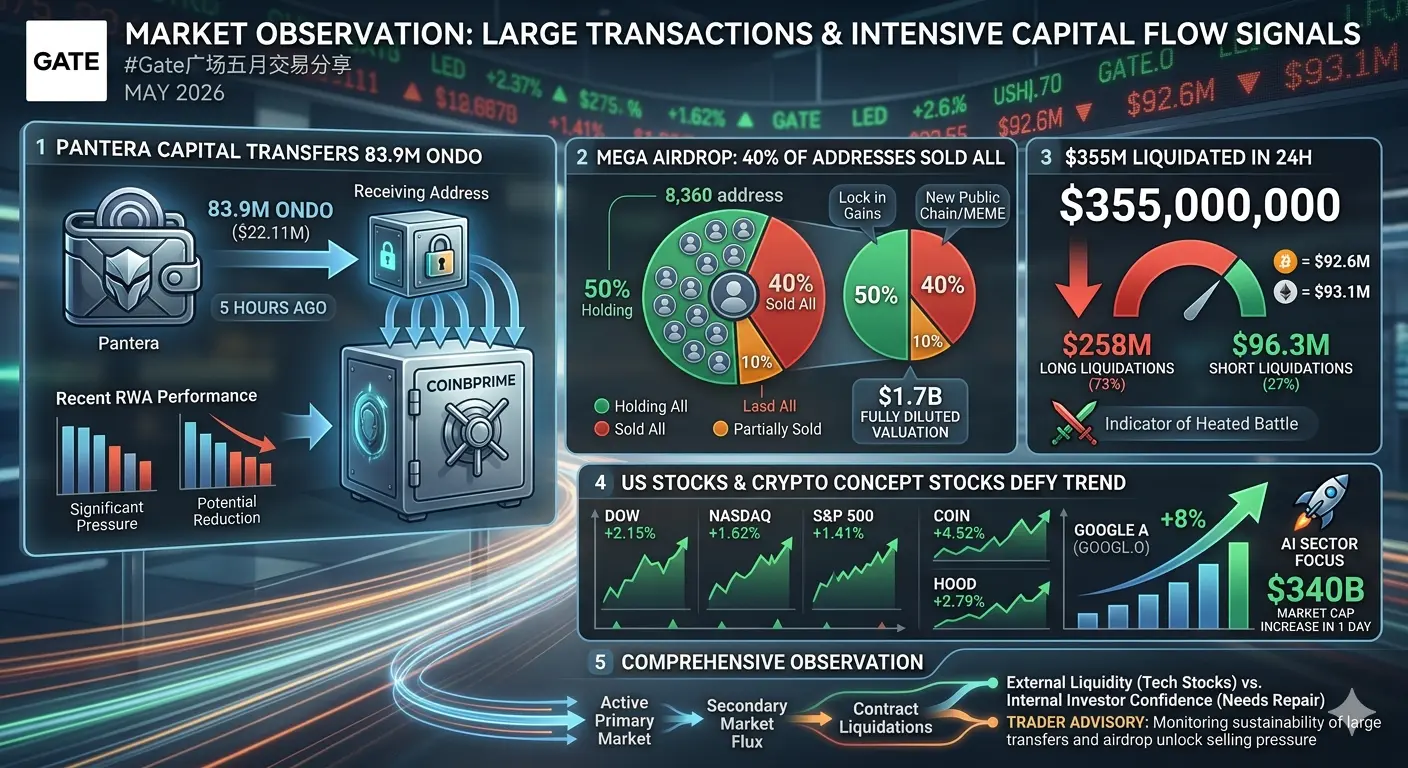
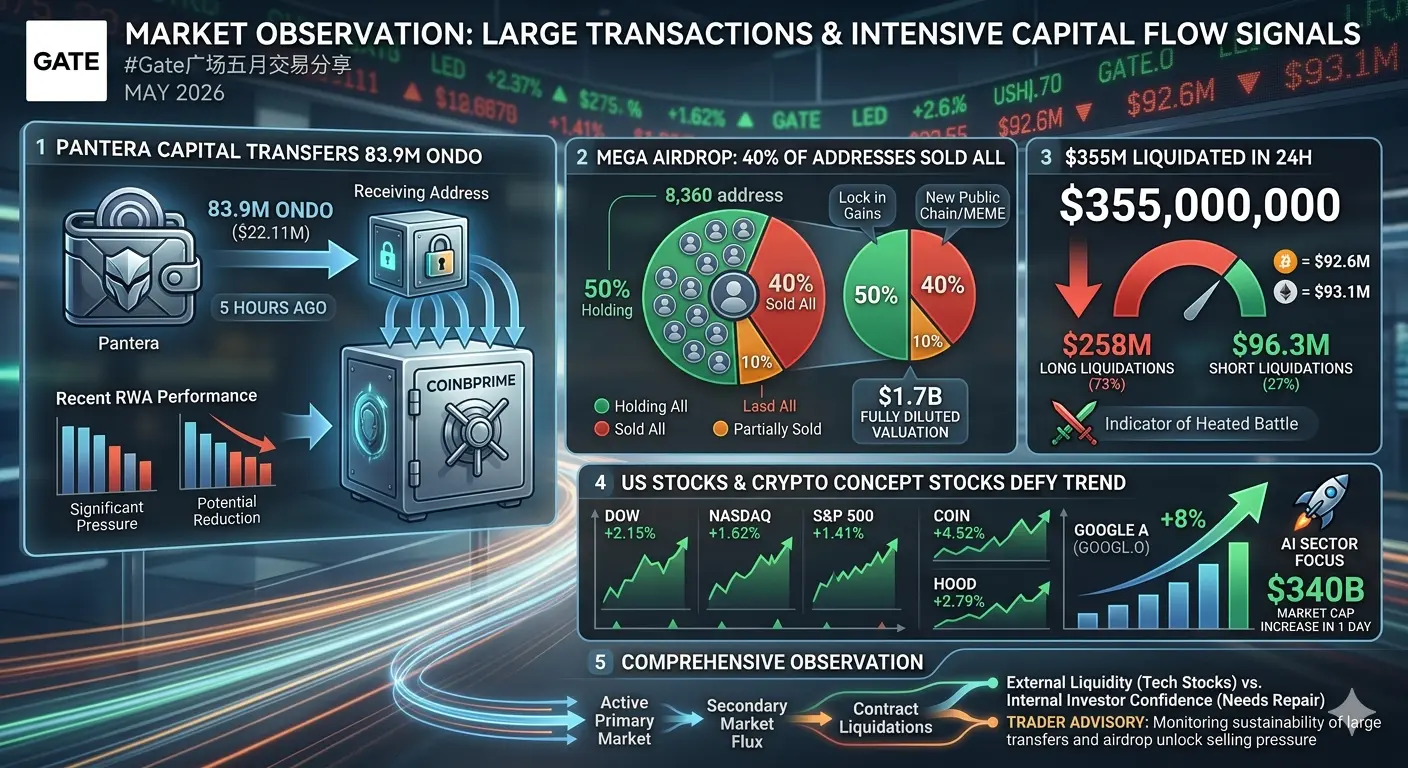
##FedHoldsRateButDividesDeepen 1. Institutional Movement: The ONDO "Early Exit" Signal?
Pantera Capital’s transfer of 83.9 million ONDO (~$22.11M) is the headline move for the RWA (Real World Asset) sector.
Context: As a lead investor, Pantera's movement toward Coinbase Prime (typically used for institutional liquidation) suggests a transition from "backing" to "profit-taking."
The Contrast: Interestingly, this comes just as Ondo announced a major expansion into tokenized ETFs with Franklin Templeton.
Takeaway: This likely isn't a lack of faith in the project, but rather a standard VC exit at
ONDO2.89%
MEGA-7.15%
BTC2.99%
ETH2.66%
post-image
post-image
post-image
  • Reward
  • 4
  • 1
  • Share
AYATTAC:
LFG 🔥
View More
#BitcoinETFOptionLimitQuadruples 📊 The BTC "Wall of 80"
You are spot on about the $80,000 level.
The Reality: Bitcoin is currently hovering between $77,000 and $79,000.
Liquidation Clusters: Data shows nearly $850 million in short positions are sitting just above $79,200. If we tickle $80K, those shorts forced-buy to cover, creating the "squeeze" you mentioned.
Support Check: On the flip side, a break below $76,800 could trigger a cascade of long liquidations (roughly $880 million), potentially vacuuming price back to the $74K support zone.
💠 Ethereum’s "Quiet" Inflow
Ethereum is currently s
BTC2.99%
ETH2.66%
post-image
  • Reward
  • 5
  • Repost
  • Share
AYATTAC:
LFG 🔥
View More
#USSeeksStrategicBitcoinReserve 🧧 How to Participate & Win
The event is designed to reward active community members on Gate Square. Whether you are bullish on the next leg up or cautious about macro resistance, your voice counts.
For New Users: Gate is offering a 100% winning guarantee on your very first post. If you haven't shared your thoughts on the platform yet, this is the safest "entry" you'll find all month.
Daily Rewards: Consistently posting your market takes and engaging with the community (likes, comments, and shares) increases your daily reward potential.
Leaderboard Competition:
BTC2.99%
  • Reward
  • 4
  • Repost
  • Share
AYATTAC:
LFG 🔥
View More
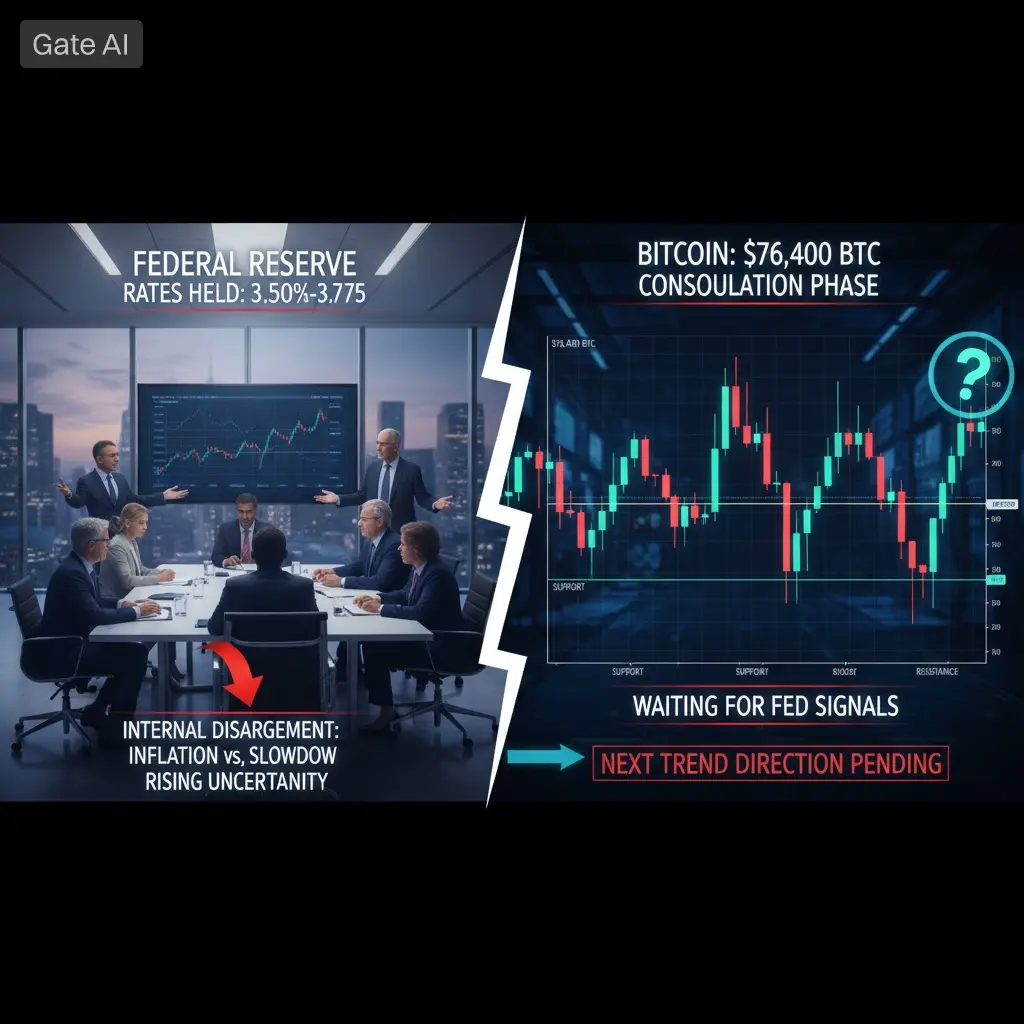
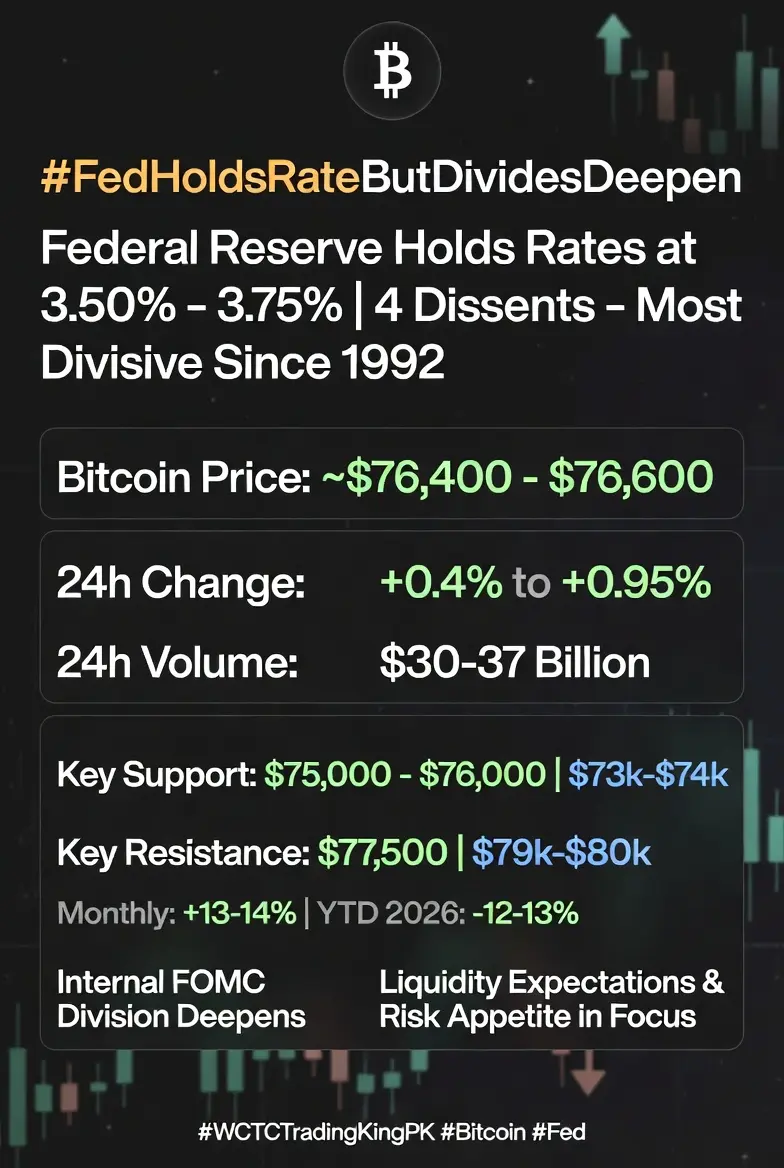
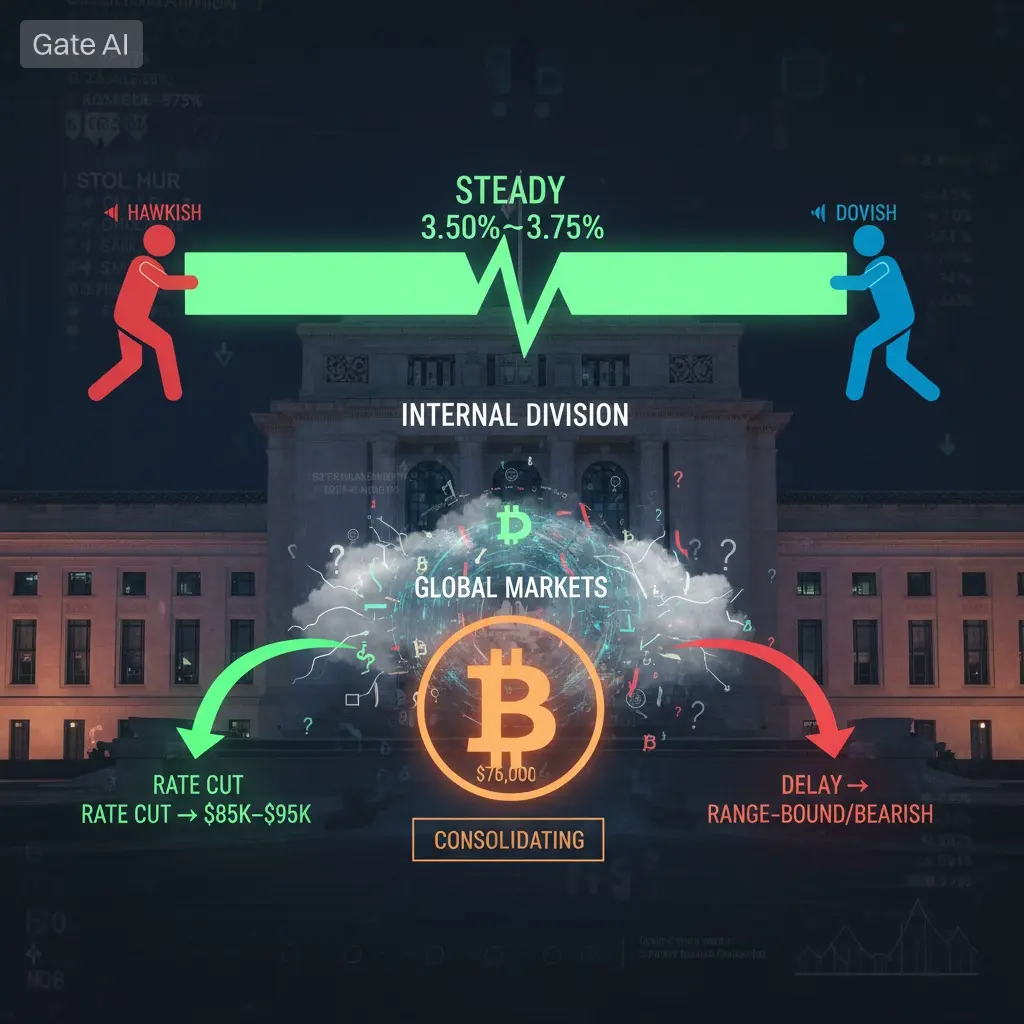
#WCTCTradingKingPK Fed Holds Rate But Divides Deepen: A Macro Analysis 🏛️
The Federal Reserve has officially held its benchmark interest rates within the 3.50%–3.75% target range. While the decision to pause was expected, the real story lies in the significant fragmentation within the FOMC. The central bank is no longer speaking with one voice, creating a climate of "elevated uncertainty" for global markets and high-beta assets like Bitcoin.
⚠️ The Internal Fed Split: Stability vs. Growth
The committee is now caught in a tug-of-war between two competing economic realities:
The Hawkish View: E
BTC2.99%
post-image
post-image
post-image
  • Reward
  • 4
  • 1
  • Share
AYATTAC:
LFG 🔥
View More
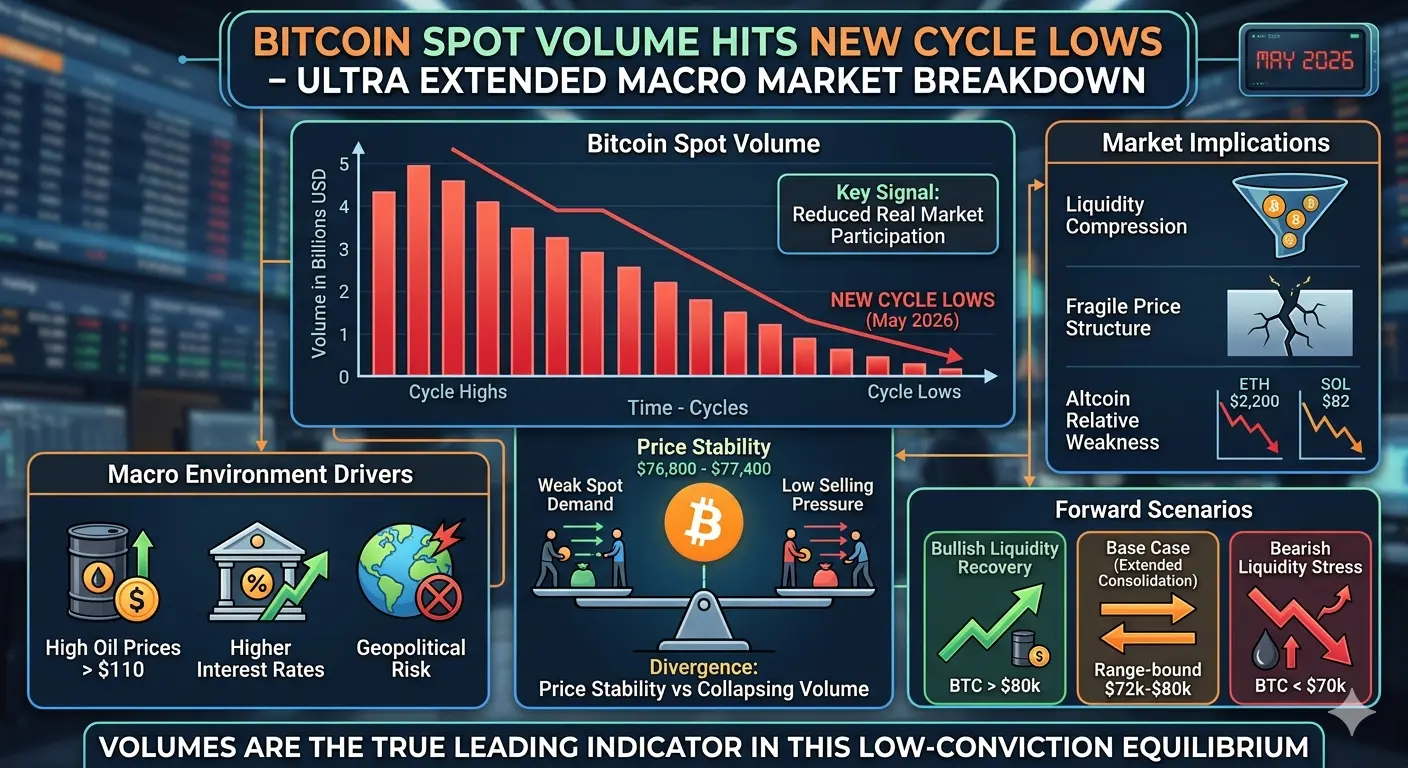
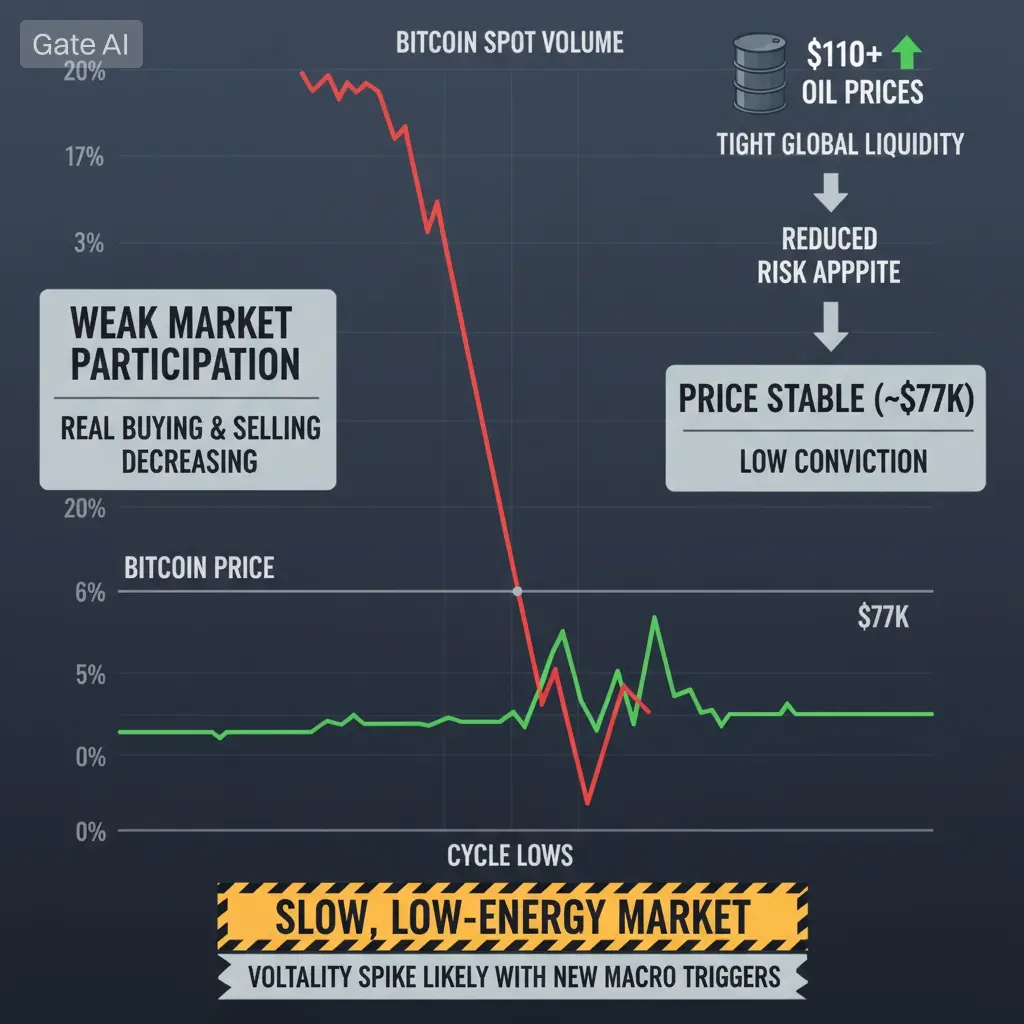
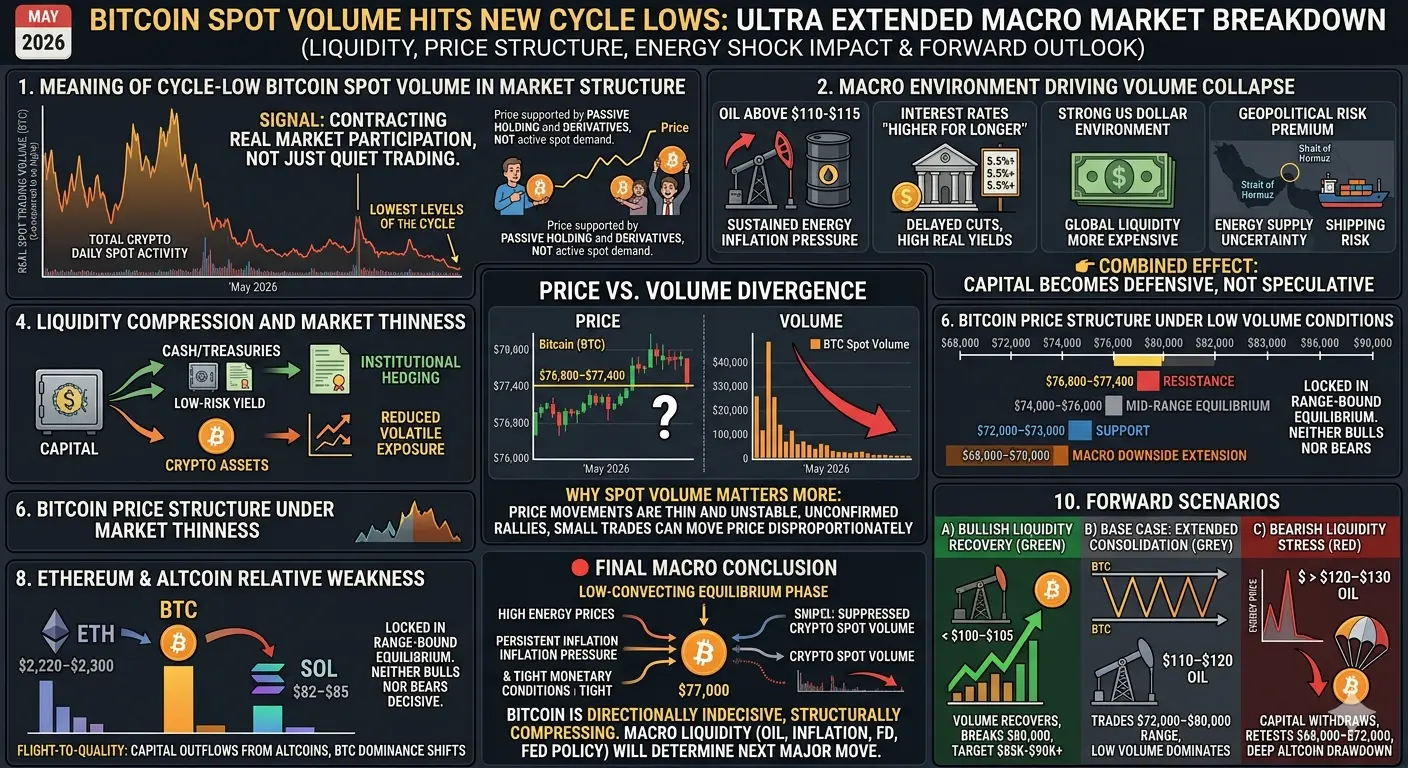
#BitcoinSpotVolumeNewLow The Silent Signal: Why Record-Low Bitcoin Spot Volume is the True Macro Gauge
The current contraction in Bitcoin spot trading volume to fresh cycle lows is one of the most critical structural signals in the 2026 market landscape. While Bitcoin maintains a deceptively stable price range between $76,800 and $77,400, the lack of "real" market participation—actual exchange-based buying and selling—suggests a market supported by passive holding rather than active conviction.
This divergence points to a macro-driven consolidation phase where the "energy" behind the price has
BTC2.99%
ETH2.66%
post-image
post-image
post-image
  • Reward
  • 5
  • 1
  • Share
BeautifulDay:
To The Moon 🌕
View More
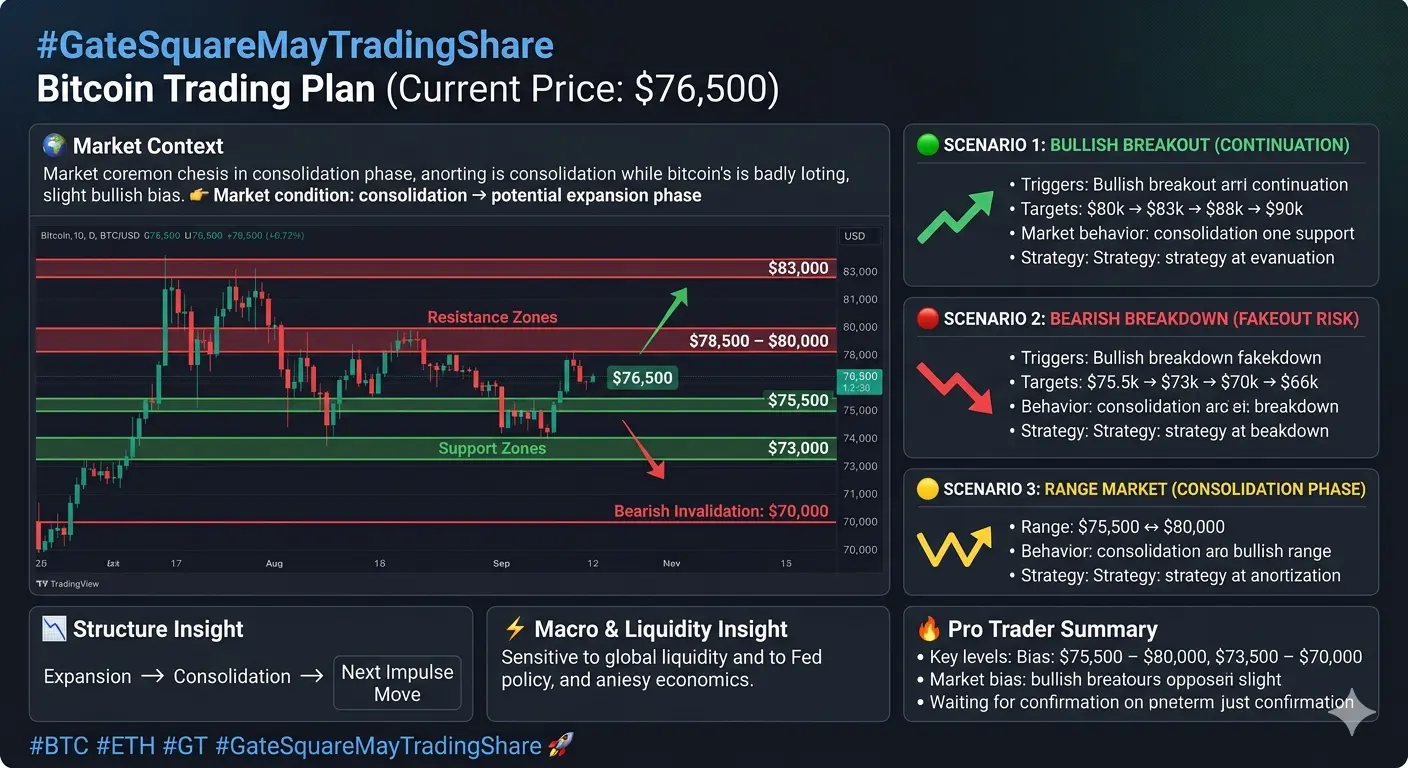
#OilBreaks110 GateSquareMayTradingShare – BTC Strategic Outlook & Support Defense
As we open May 2026, Bitcoin is navigating a classic "liquidity vacuum" following the Federal Reserve's latest decision to hold rates at 3.75%. The market is currently in a state of high-tension consolidation, where the next 48–72 hours of price action will likely dictate the trend for the entire month.
📉 Current Market Intelligence
Price Level: Bitcoin is hovering at $76,500, testing the strength of the short-term ascending channel.
The "Powell Pivot" Risk: While rates remained unchanged, the market is pricing
BTC2.99%
post-image
post-image
  • Reward
  • 6
  • Repost
  • Share
BeautifulDay:
To The Moon 🌕
View More
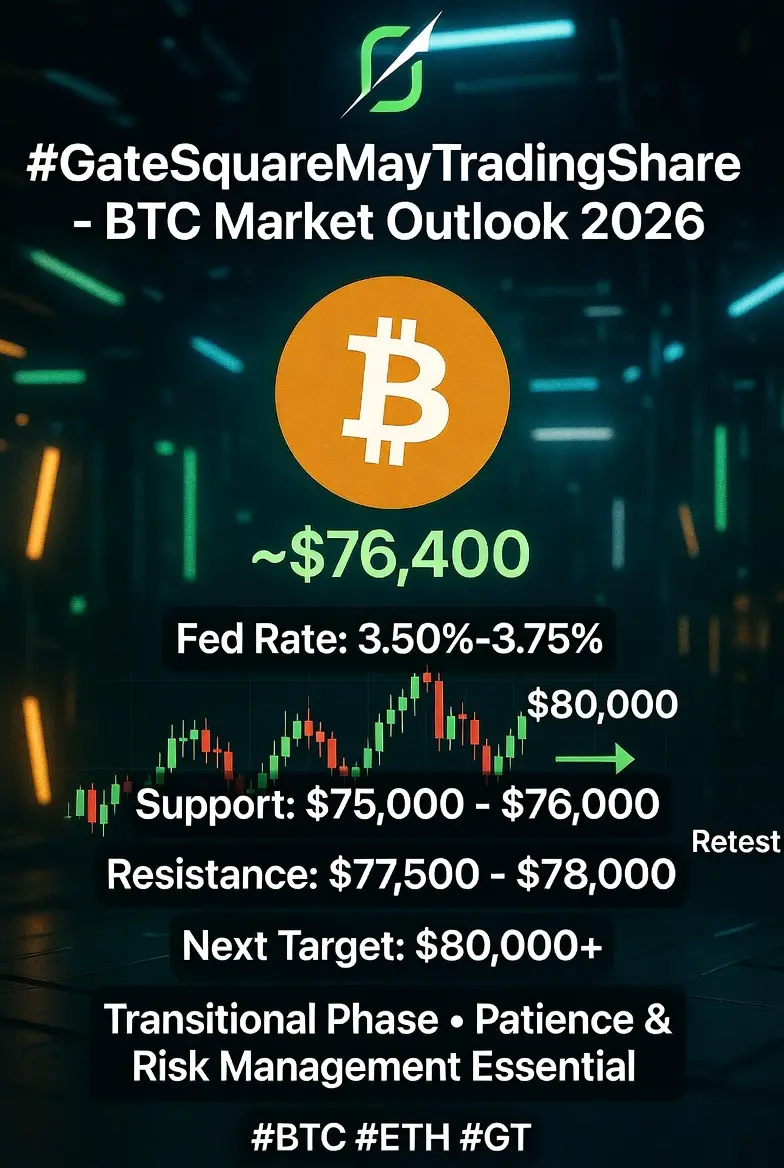
#TapAndPayWithGateCard GateSquareMayTradingShare – Market Outlook & Strategy 2026
The crypto landscape in May 2026 is defined by a delicate dance between institutional "deep value" signals and persistent macroeconomic headwinds. While the Federal Reserve maintains a steady hand, the market is bracing for a volatility resolution.
🌐 Macro Context: The Fed & Geopolitics
As of May 1, 2026, the Federal Reserve has held interest rates at 3.50%–3.75%. While this stability was initially welcomed, the "higher for longer" sentiment is being reinforced by:
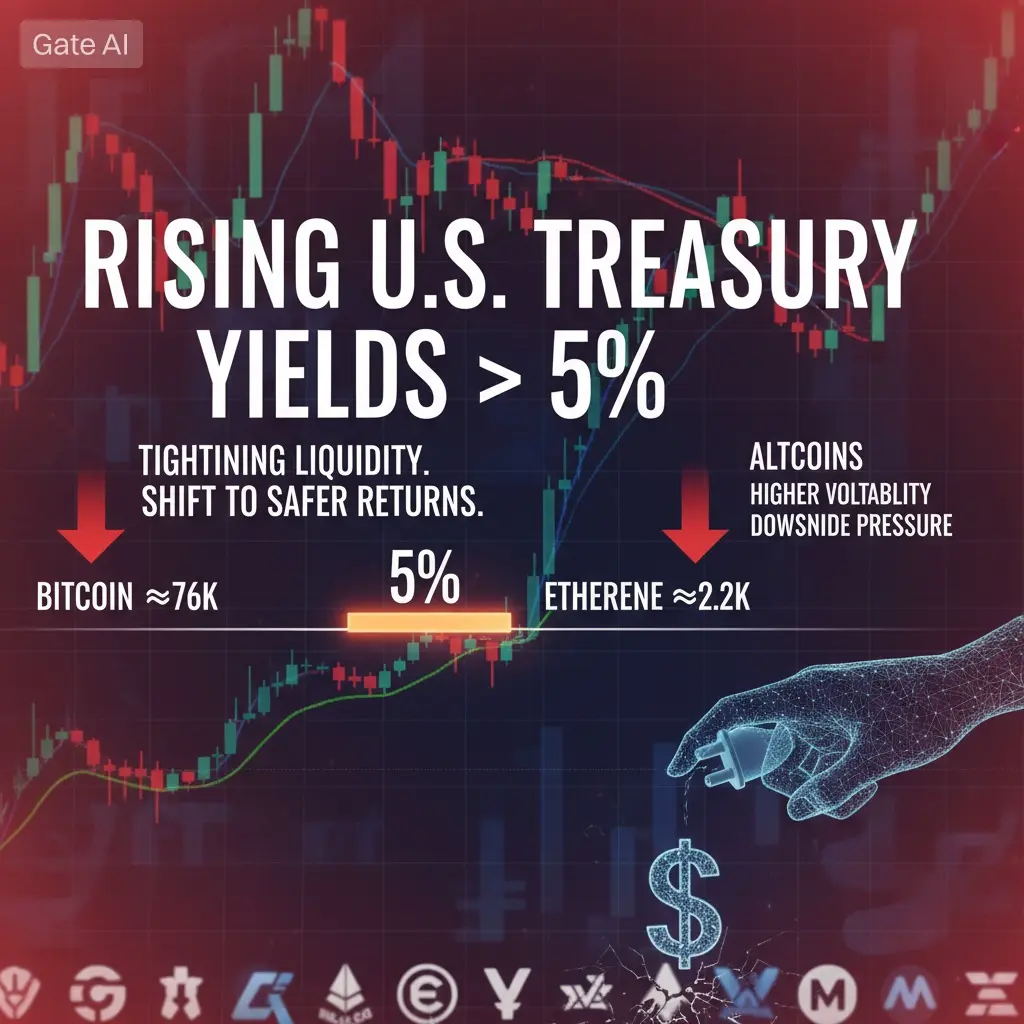
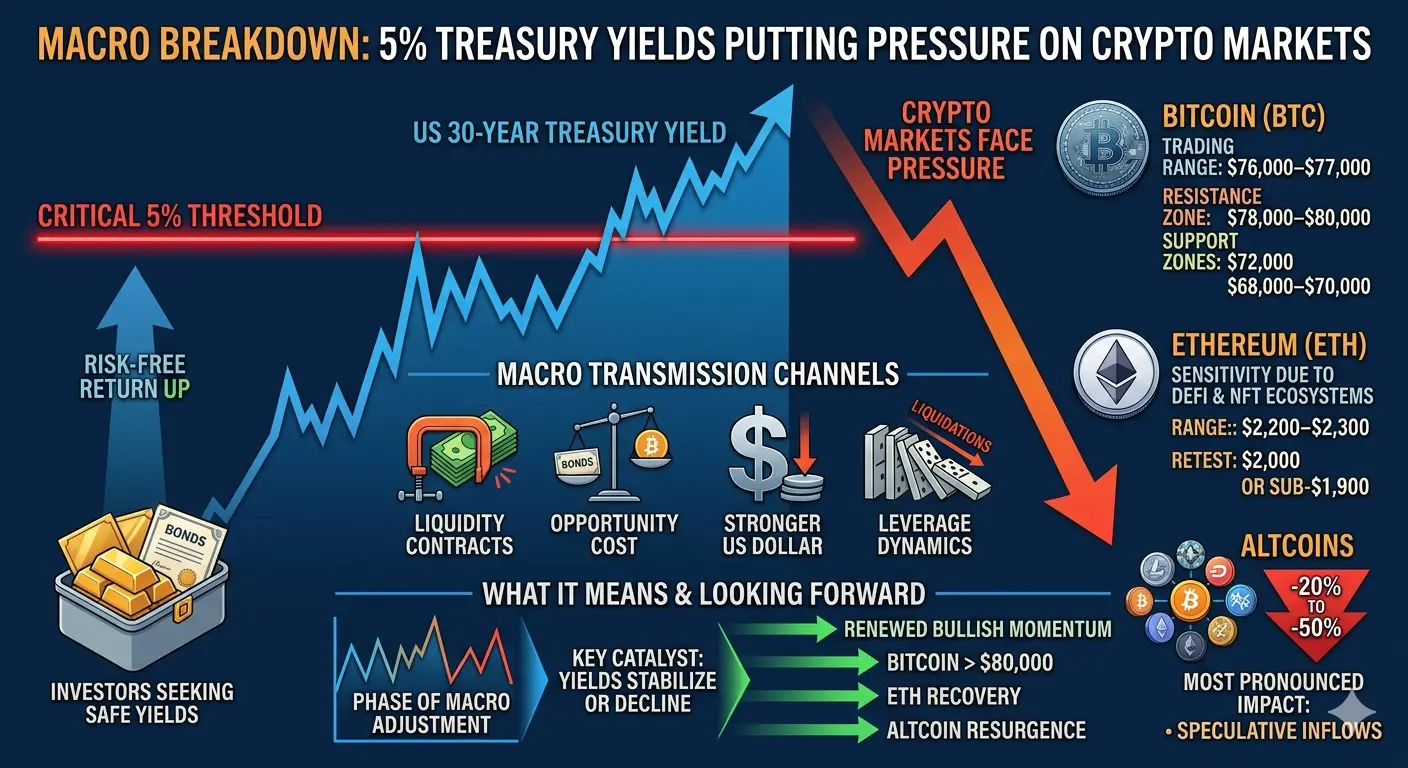
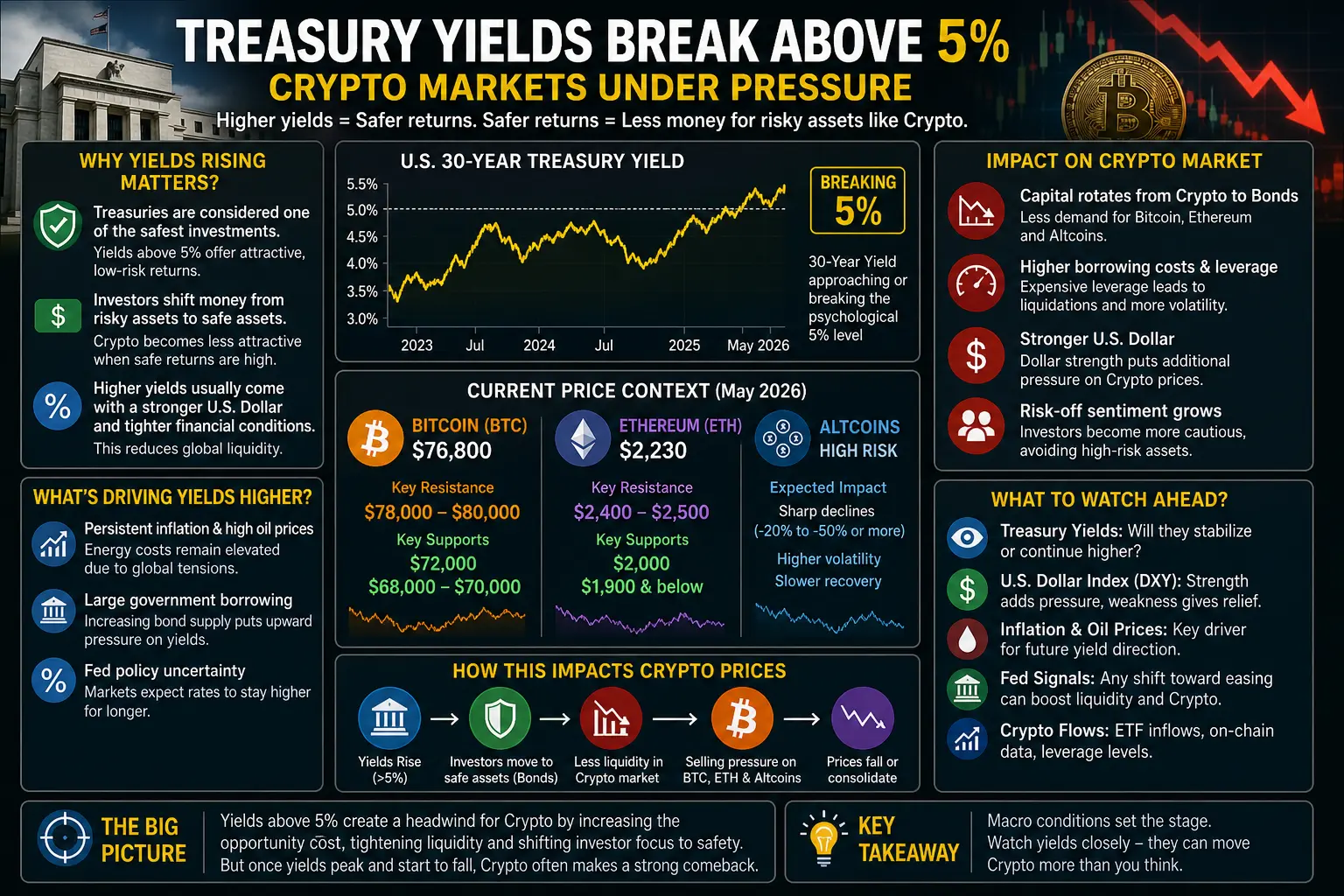
Treasury Yields: 30-year yields touching 5.0%,
BTC2.99%
GT1.11%
ETH2.66%
post-image
post-image
  • Reward
  • 5
  • Repost
  • Share
AYATTAC:
LFG 🔥
View More
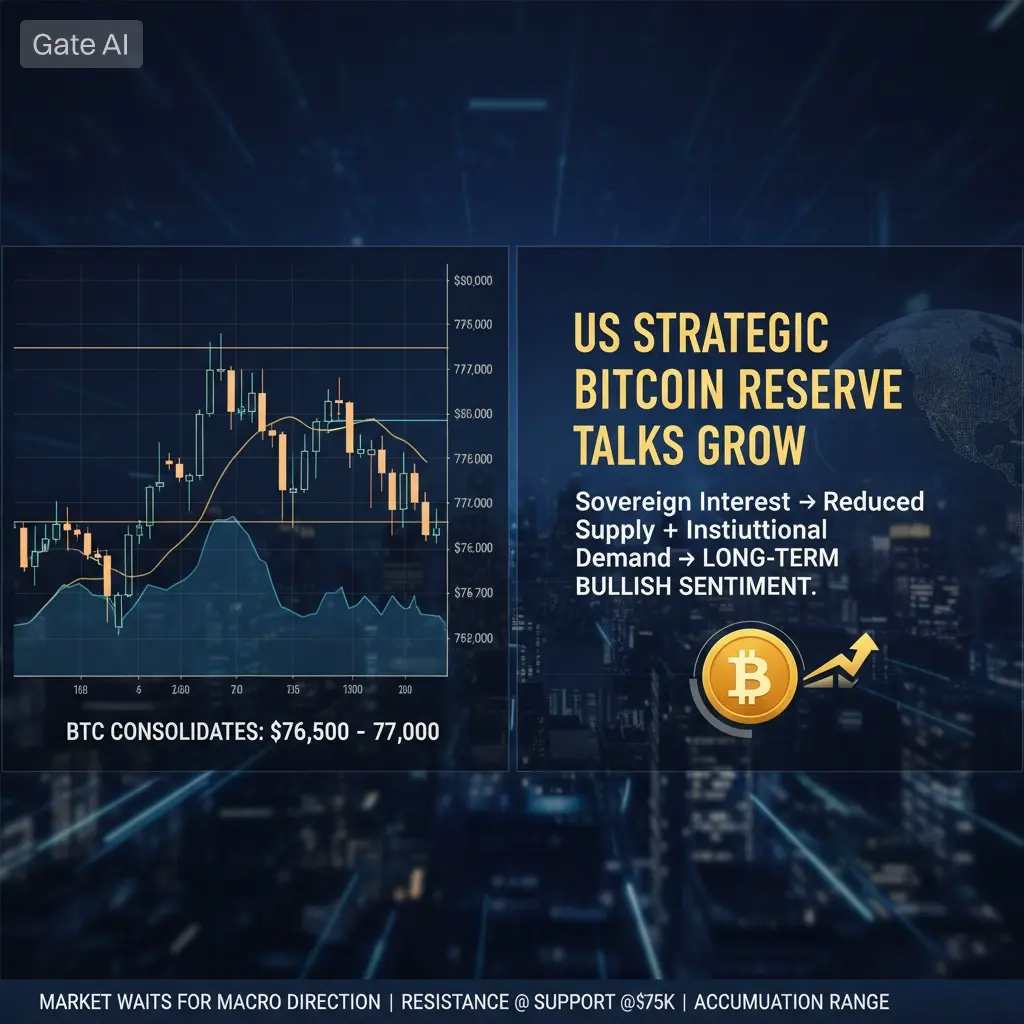
#DailyPolymarketHotspot 🏛️ Policy Update: From Executive Order to Law
The "Strategic Bitcoin Reserve" is no longer just a discussion; it is moving through the legislative pipeline via the American Reserves Modernization Act (ARMA).
The Milestone: White House advisors recently confirmed at the Bitcoin 2026 conference that the administration has reached a "breakthrough" in the legal framework for the reserve.
The Mechanism: The goal is to accumulate 1 million BTC (approx. 5% of total supply) over five years.
Budget Neutrality: Current proposals focus on a "budget-neutral" acquisition strate
BTC2.99%
post-image
post-image
post-image
  • Reward
  • 4
  • Repost
  • Share
AYATTAC:
To The Moon 🌕
View More
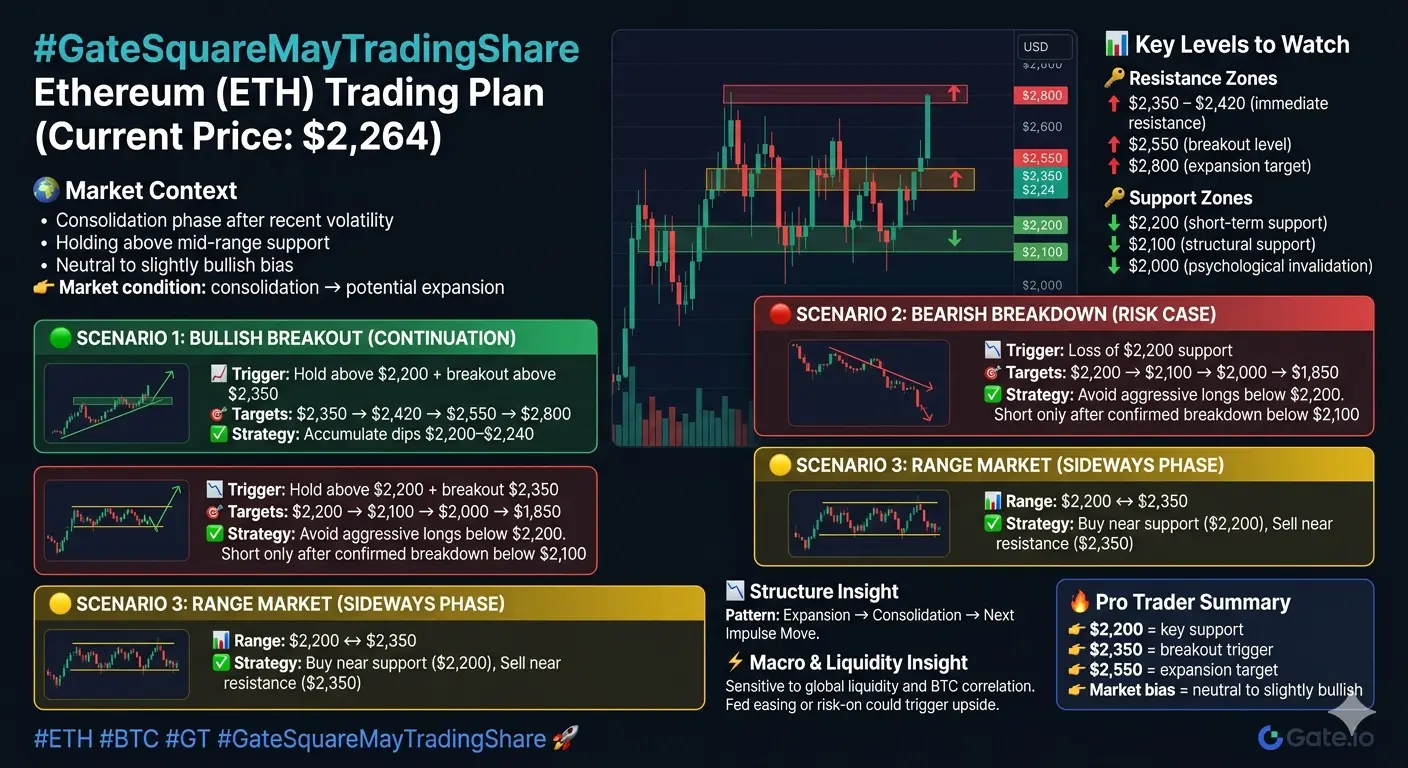
#DailyPolymarketHotspot 💎 Ethereum (ETH) Strategic Trading Plan
Current Price: $2,264 | Market Bias: Neutral/Bullish (Consolidation)
🌍 Market Outlook
Ethereum is currently stabilizing in a consolidation phase following recent volatility. While momentum remains neutral, the structural integrity of the mid-range support suggests we are prepping for an expansion phase.
Key Takeaway: We are moving from a period of high volatility into a "wait-and-see" liquidity environment.🎮 Tactical Execution Scenarios
🟢 Scenario 1: The Bullish Continuation
Trigger: Sustained hold above $2,200 followed by a h
ETH2.66%
BTC2.99%
post-image
post-image
  • Reward
  • 4
  • Repost
  • Share
AYATTAC:
To The Moon 🌕
View More
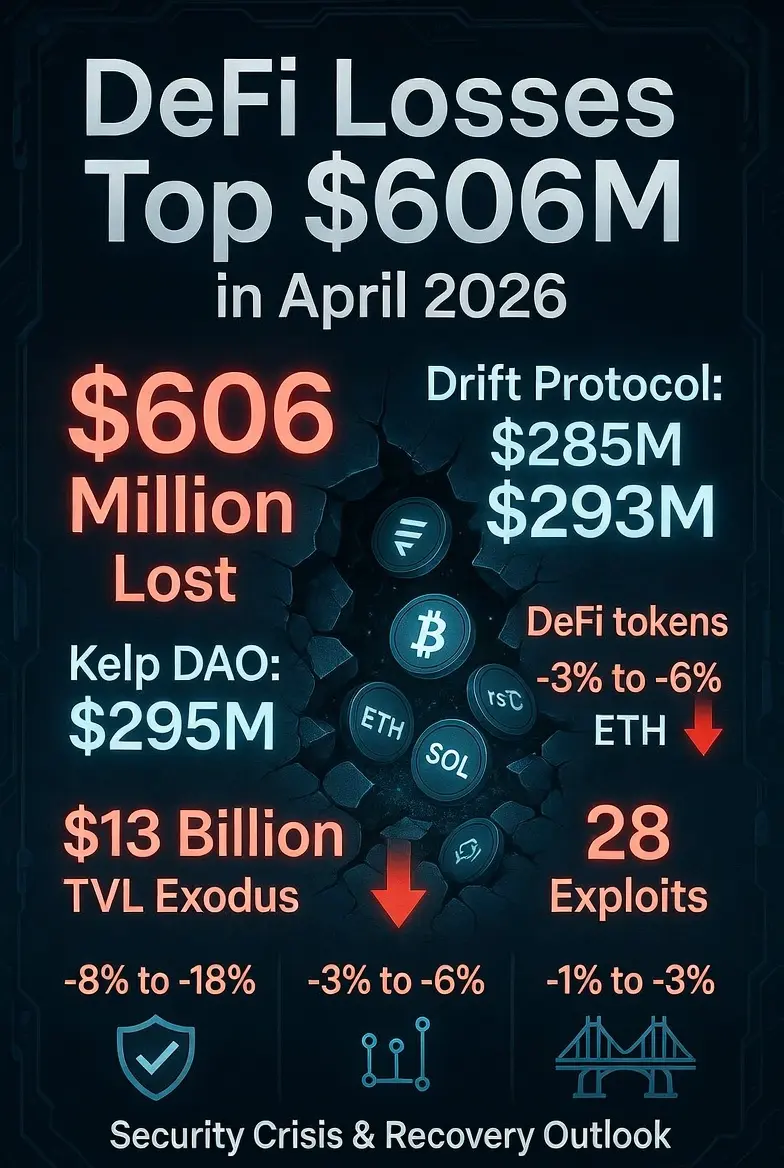
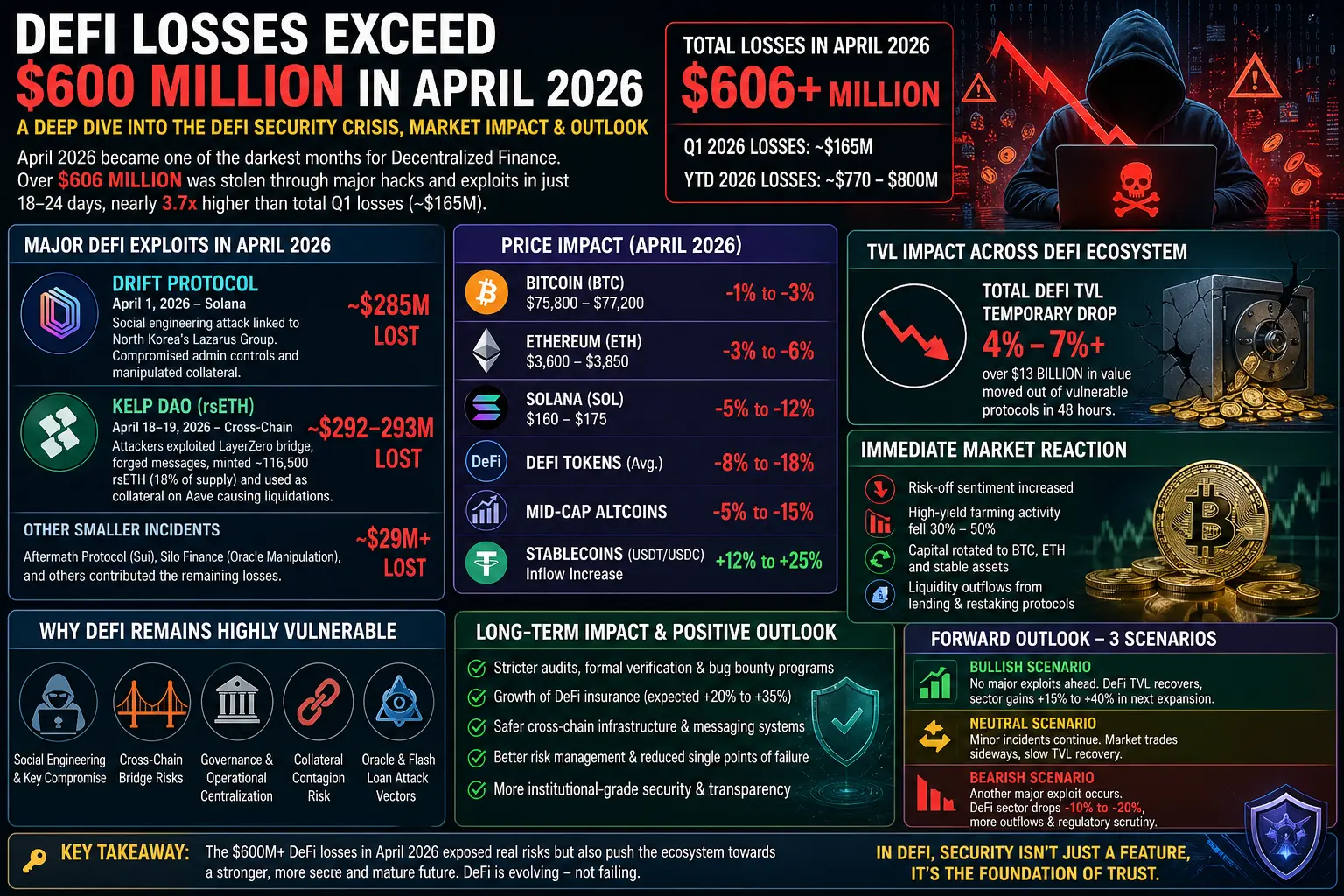
##FedHoldsRateButDividesDeepen 📉 April 2026 DeFi Crisis: Performance Summary🔍 Key Market Dynamics
1. The "Second-Order" Effect
While the direct loss was $600M, the volatility transmission is much larger. Due to leverage liquidations and risk recalibration, this event influenced between $2 billion and $5 billion in total market repositioning.
2. Flight to Stability
The crisis triggered a significant behavioral shift:
Stablecoin Inflows: Increased by 12% to 25%, signaling that investors are "parking" capital within the ecosystem rather than cashing out to fiat.
DeFi TVL: Declined by 4% to 7% a
BTC2.99%
ETH2.66%
post-image
post-image
post-image
  • Reward
  • 5
  • Repost
  • Share
AYATTAC:
To The Moon 🌕
View More
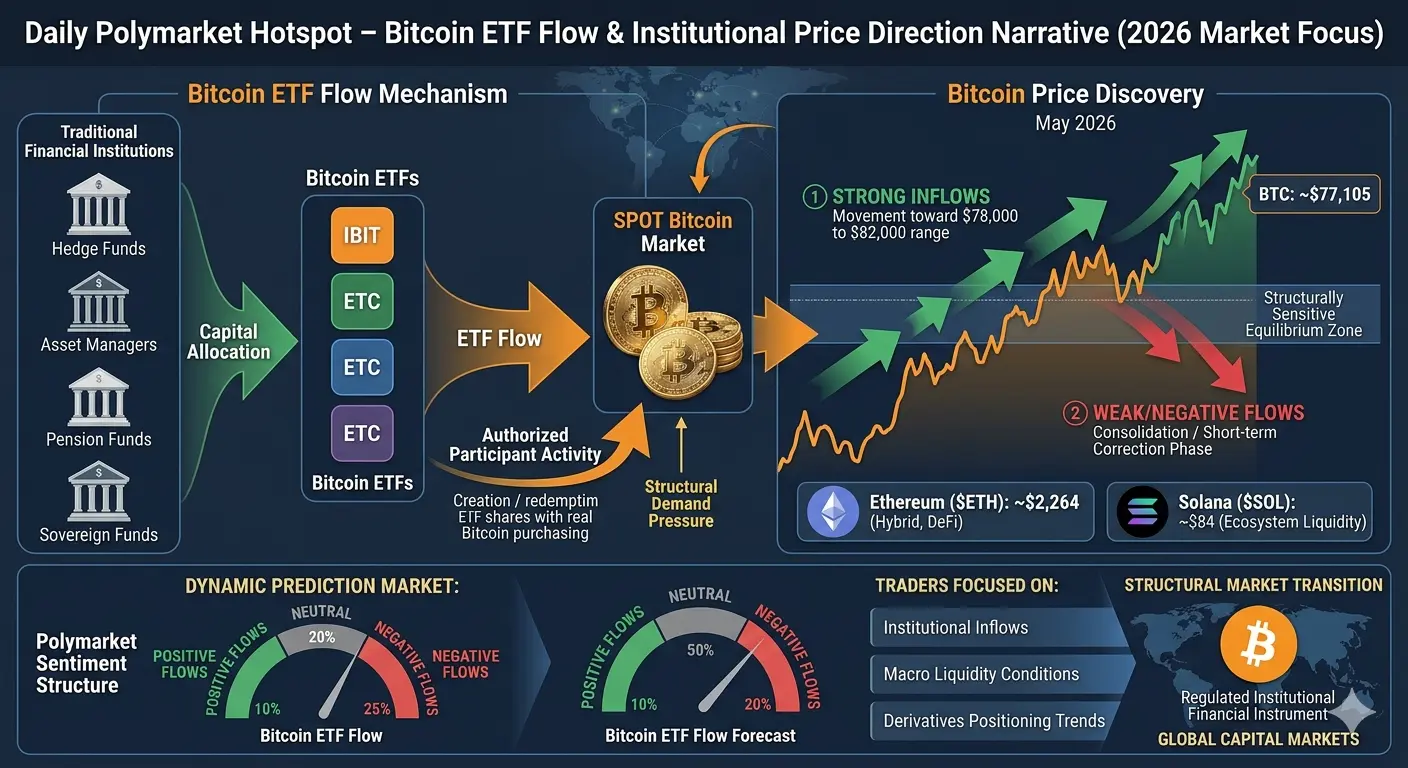
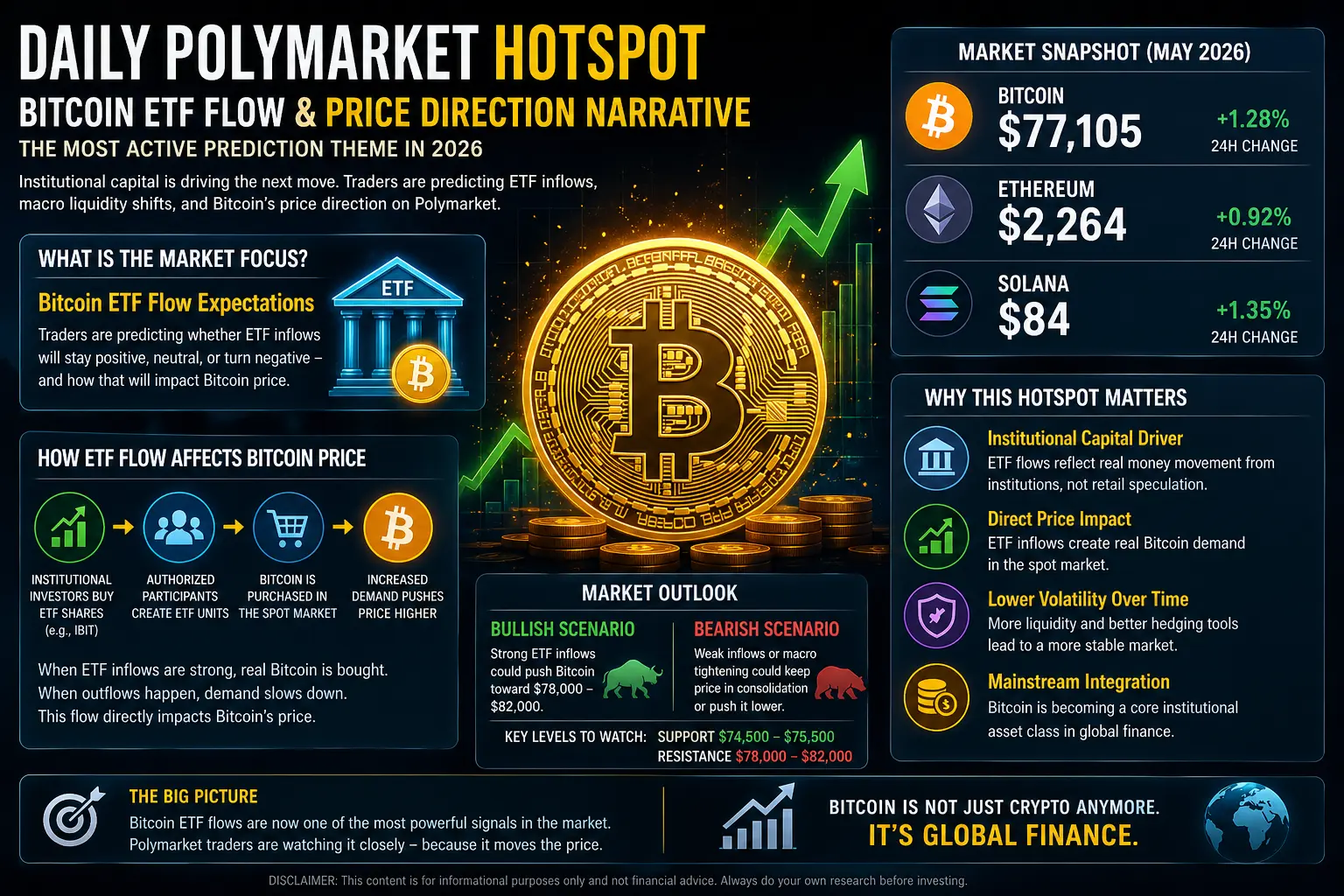
#BitcoinETFOptionLimitQuadruples With Bitcoin trading at approximately $77,105, the market is at a critical technical and psychological crossroads.
1. The ETF Flow Mechanism as a Price Driver
Prediction markets are no longer just betting on "Up or Down." Instead, sophisticated traders are wagering on institutional net flows, which act as the primary structural engine for Bitcoin:
The Pipeline: When an ETF like BlackRock’s IBIT sees inflows, authorized participants must acquire physical Bitcoin in the spot market. This creates direct, non-speculative buying pressure.
The "Bleed" Effect: Conve
BTC2.99%
post-image
post-image
  • Reward
  • 4
  • 1
  • Share
AYATTAC:
LFG 🔥
View More
#USSeeksStrategicBitcoinReserve 5. A Unified Financial Ecosystem
This isn't just a standalone card; it’s part of the Gate.com infrastructure. This ecosystem allows users to:
Manage assets and track spending in real-time.
Convert balances into spendable funds instantly.
Close the loop: Trade, store, and spend all within one platform.
6. The Psychology of "Invisible" Complexity
True mass adoption happens when the technology becomes invisible. When a user taps their card, they don't feel like they are executing a complex blockchain transaction—they feel like they are paying for coffee. By removin
BTC2.99%
ETH2.66%
post-image
post-image
post-image
  • Reward
  • 6
  • 1
  • Share
AYATTAC:
LFG 🔥
View More
#WCTCTradingKingPK The Evolution of Utility: #TapAndPayWithGateCard
The crypto industry is shifting focus from speculative charts to real-world utility. TapAndPayWithGateCard represents this transition, turning digital assets into practical spending power. By leveraging the Gate Card within the Gate.com ecosystem, users can now bridge the gap between blockchain and the checkout counter.
1. From Investment to Instant Spending
Traditionally, using crypto for daily purchases was a multi-step headache involving manual conversions and transfer wait times. The Gate Card simplifies this into a single
post-image
post-image
post-image
  • Reward
  • 6
  • Repost
  • Share
AYATTAC:
LFG 🔥
View More
#OilBreaks110
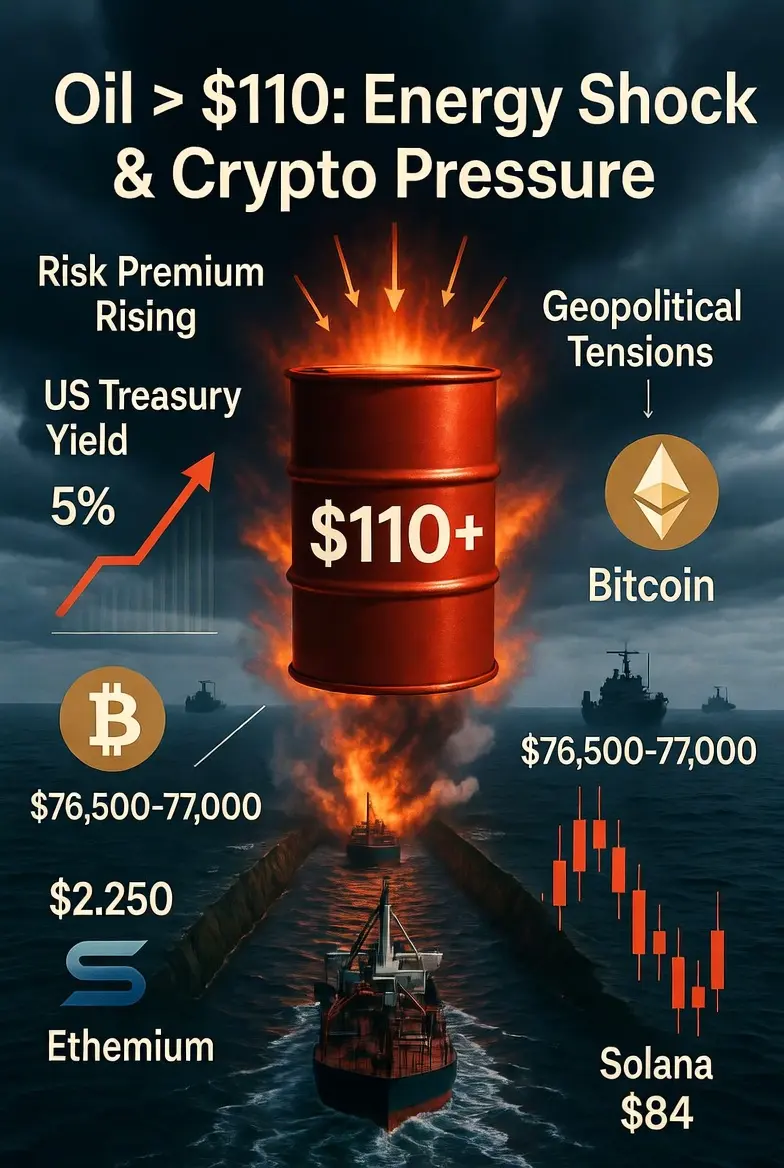
Oil Breaks Above $110
Oil sustaining above $110 per barrel represents a structural macro regime shift rather than a temporary spike. What makes this phase different from previous oil cycles is the combination of geopolitical fragmentation, maritime chokepoint risk, delayed monetary easing, and fragile global liquidity conditions occurring simultaneously.
This creates a synchronized pressure environment where energy markets, inflation dynamics, currency strength, and risk assets like crypto are all interconnected in a tighter feedback loop than in previous cycles.
Updated Marke
BTC2.99%
ETH2.66%
SOL1.82%
HighAmbition
#OilBreaks110
Oil Breaks Above $110
Oil sustaining above $110 per barrel represents a structural macro regime shift rather than a temporary spike. What makes this phase different from previous oil cycles is the combination of geopolitical fragmentation, maritime chokepoint risk, delayed monetary easing, and fragile global liquidity conditions occurring simultaneously.
This creates a synchronized pressure environment where energy markets, inflation dynamics, currency strength, and risk assets like crypto are all interconnected in a tighter feedback loop than in previous cycles.
Updated Market Snapshot (May 2026)
Energy Markets
Brent Crude: ~$115–$123
WTI Crude: ~$109–$117
Geopolitical spike band: $125–$140 (risk-driven expansion zone)
Crypto Markets
Bitcoin (BTC): ~$76,500–$77,200
Ethereum (ETH): ~$2,200–$2,300
Solana (SOL): ~$82–$85
Global Altcoin Index: Weak accumulation phase, low liquidity depth
1. US–Iran Ceasefire – “De-escalation Without Trust”
The current ceasefire framework has created a surface-level reduction in military escalation risk, but structurally it has introduced a new form of uncertainty: managed hostility.
Key additional dynamics:
• No independent verification mechanism for long-term compliance
• Backchannel diplomacy dominates official agreements
• Regional allies act independently, increasing unpredictability
• Proxy conflicts remain active (especially maritime and drone incidents)
• Intelligence-driven naval operations continue in the Gulf region
This creates what analysts call a “latent conflict equilibrium”, where peace and conflict coexist in unstable balance.
2. Strait of Hormuz – Emerging Insurance Shock Zone
Beyond physical oil flow, the Strait is now also becoming a financial risk multiplier zone.
Additional market-driven effects:
• War risk insurance premiums have increased multiple-fold
• Shipping companies are rerouting or slowing operations
• Freight costs are embedding long-term risk premiums
• Energy contracts now include “geopolitical contingency pricing”
• Tanker availability has become structurally constrained
This introduces a hidden inflation channel through global logistics pricing.
3. Oil Market Transformation – From Commodity to Systemic Risk Asset
Oil is no longer behaving like a cyclical commodity. It is now functioning as a global systemic risk indicator, similar to credit spreads in financial markets.
Additional structural shift:
• Oil volatility now leads inflation expectations instead of reacting to them
• Traders price future geopolitical probability curves
• Options markets reflect sustained tail-risk premiums
• OPEC influence is partially overshadowed by geopolitical shocks
This is a transition from “supply-demand pricing” to “risk-based pricing architecture.”
4. Inflation Dynamics – Embedded Structural Inflation
A key new feature in this cycle is that inflation is becoming self-reinforcing rather than reactive.
Additional channels:
• Wage expectations adjust upward due to persistent cost pressure
• Service sector inflation becomes sticky even after energy stabilization
• Corporate pricing behavior becomes proactive (pre-emptive price hikes)
• Central bank credibility becomes a secondary inflation anchor
This creates a “sticky inflation floor” even if oil temporarily corrects.
5. Monetary System Stress – Liquidity Fragmentation Phase
Beyond interest rates, a deeper issue is emerging: liquidity fragmentation across global markets.
Additional macro stress factors:
• Capital flows increasingly regionally segmented
• Dollar liquidity dominates global funding chains
• Emerging markets face uneven credit access
• Repo and short-term funding markets show tighter spreads
• Risk capital rotation cycles are shortening
This is not just tightening — it is uneven liquidity distribution globally.
6. Crypto Market – Transition from Liquidity Cycle to Macro-Driven Cycle
Crypto is currently in a phase where internal market drivers are secondary to macro forces.
₿ Bitcoin (BTC ~$76.5K)
Additional structural insights:
• Increasing correlation with global liquidity index
• Reduced sensitivity to halving narrative in short term
• Institutional positioning becoming more macro hedged
• ETF-driven flows act as stabilizer but not accelerator
Expanded ranges:
• Resistance: $78K–$82K
• Support: $72K
• Macro liquidation zone: $66K–$70K
BTC is evolving into a macro liquidity proxy asset, not purely speculative crypto.
Ξ Ethereum (ETH ~$2,250)
Additional dynamics:
• DeFi activity growth slowed due to capital cost
• Layer-2 expansion continues but lacks speculative inflow
• Staking yields become less attractive relative to risk-free rates
• Institutional ETH exposure remains limited vs BTC
ETH is currently in a utility-driven phase with weak speculative expansion.
Solana (SOL ~$82–$85)
Additional insights:
• Highly dependent on retail liquidity cycles
• Meme and narrative trading volume reduced
• Network activity remains strong but price impact weak
• VC rotation into Solana ecosystem slowed
SOL behaves as a high-leverage liquidity beta asset.
7. Altcoin Ecosystem – Structural Liquidity Drain
New observation:
Altcoins are not just declining — they are undergoing liquidity stratification, where only top narratives retain survival liquidity.
Additional effects:
• Mid-cap tokens lose volume faster than large caps
• Narrative cycles shorten dramatically
• Market making spreads widen significantly
• Token survival depends on exchange listing depth
The altcoin market is becoming selectively liquid, not broadly liquid.
8. US Dollar & Global Capital Architecture Shift
Additional macro layer:
• USD is increasingly used as global “risk clearing currency”
• Cross-border funding becomes more dollar-centric
• Crypto inflows depend heavily on USD liquidity cycles
• Stablecoin dominance reinforces USD linkage in crypto
Crypto is indirectly becoming more tied to US monetary architecture.
9. Hidden Macro Factor – Energy-Military Risk Pricing Fusion
A new structural phenomenon is emerging:
Energy markets are now pricing military probability density functions, not just physical supply.
This means:
• Every naval movement affects oil futures curves
• Diplomatic statements impact forward pricing
• Insurance markets now influence commodity pricing directly
• Geopolitical media cycles create intraday volatility spikes
Oil has effectively become a geopolitical derivative instrument.
10. Expanded Forward Scenarios (Refined)
Scenario A – Escalation Spiral
• Oil: $125 → $140+
• BTC: breakdown risk toward $65K–$68K
• ETH: retest $1,900–$2,000
• Altcoins: liquidity collapse phase
Scenario B – Persistent Controlled Tension (Base Case)
• Oil: $110–$125 range
• Crypto: sideways + volatility compression
• No sustained breakout trend formation
Scenario C – Structural De-escalation
• Oil: $90–$100 normalization band
• Inflation easing cycle begins
• Global liquidity expands gradually
• BTC: breakout above $80K–$85K
• ETH: recovery toward $2,600–$3,200
• Altcoins: delayed but strong rotation phase
Final Integrated Conclusion
The current oil structure above $110 represents a multi-layered macro shock regime, not a simple energy price rally. It is driven by:
• Geopolitical uncertainty (US–Iran tension)
• Maritime chokepoint fragility (Strait of Hormuz)
• Structural inflation persistence
• Global liquidity fragmentation
• Strong dollar environment
Crypto markets are now fully embedded within this macro structure:
• Bitcoin acts as a global liquidity reflection instrument
• Ethereum remains a sensitivity-driven network asset
• Altcoins function as residual liquidity receivers
The most important insight is this:
Crypto is no longer reacting only to crypto-native cycles — it is now reacting to global energy security and monetary system stress simultaneously.
The next major directional breakout across all risk assets will depend less on internal crypto developments and more on whether global energy geopolitics transitions from managed tension → stabilization, or from managed tension → renewed escalation.
repost-content-media
  • Reward
  • 5
  • Repost
  • Share
AYATTAC:
LFG 🔥
View More
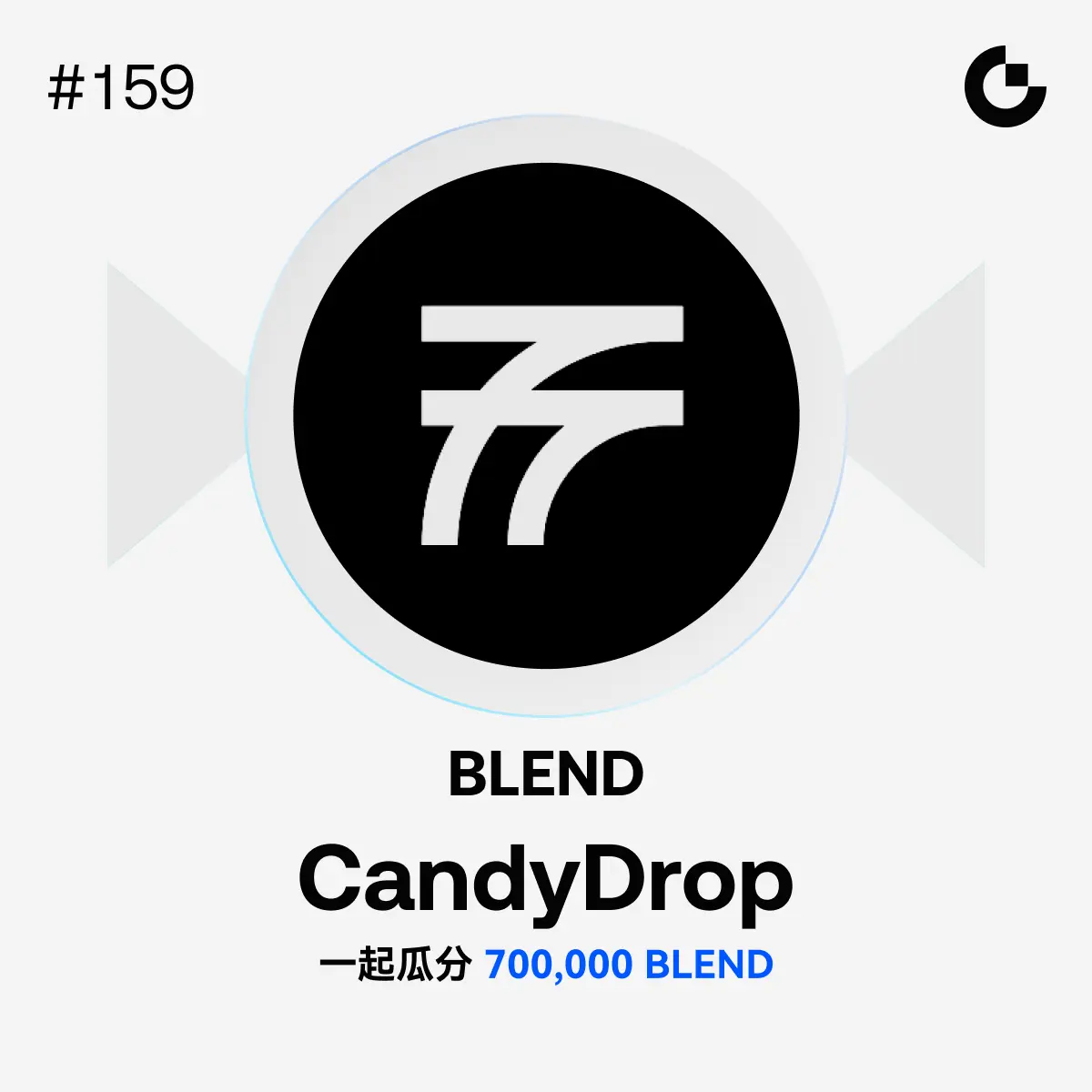
#WCTCTradingKingPK The new CandyDrop is here! A total of 700,000 $BLEND are waiting for you to share 🍬
🔹 For your first contract trade: if you complete a cumulative total of 2,000 $BLEND contract trades, you can share the prize pool
🔹 Complete 3,000 $USDT contract trades every day to share the prize pool
🔹 By successfully inviting friends through the CandyDrop invitation link, you can share the prize pool
The more you trade, the more rewards you’ll get
Join now: https://www.gate.com/candy-drop/detail/BLEND-328
BLEND-6.85%
post-image
  • Reward
  • 6
  • Repost
  • Share
AYATTAC:
LFG 🔥
View More
  • Pin