What Does "Stacking Sats" Really Mean?
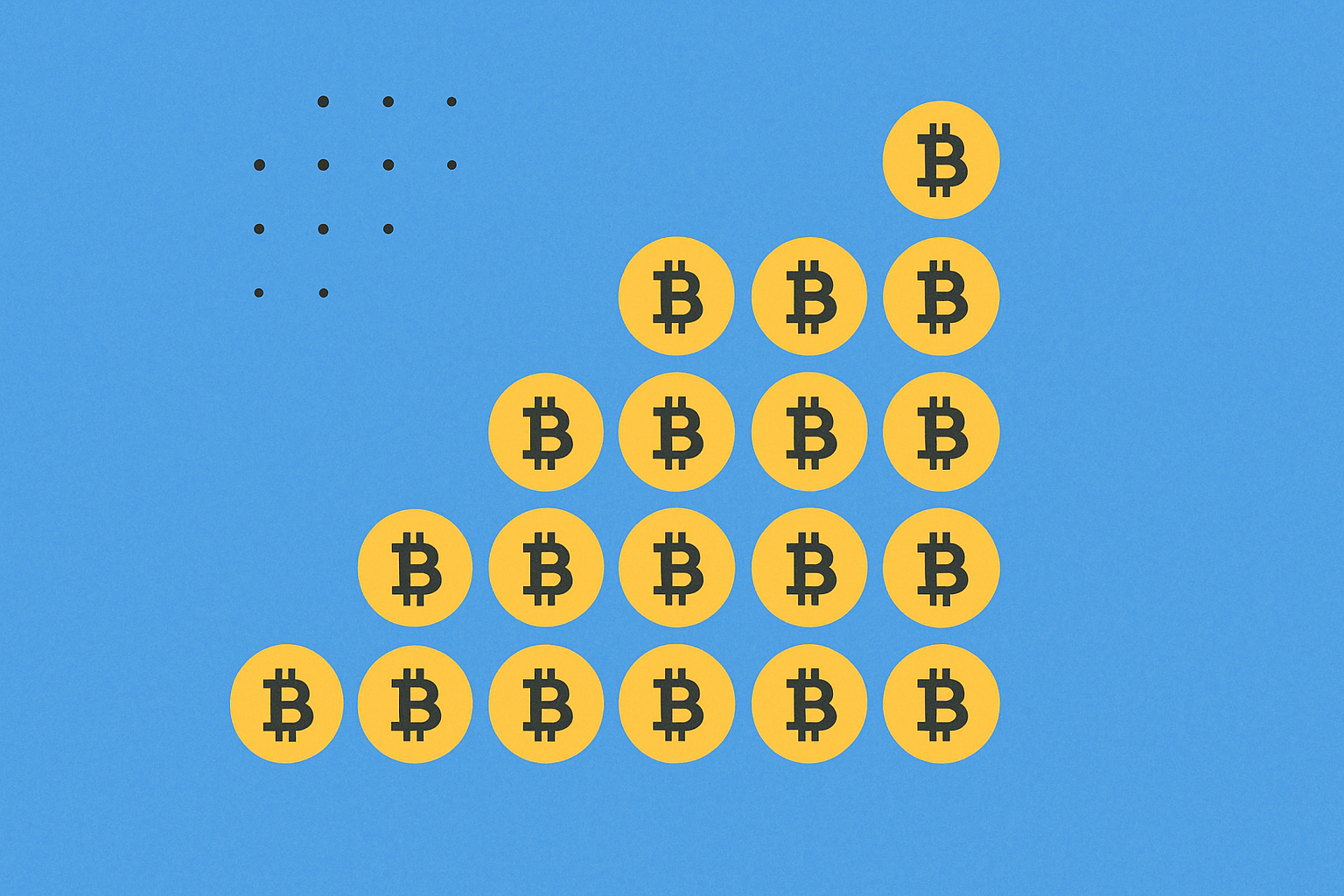
"Stacking sats" refers to the practice of accumulating Bitcoin in small, regular amounts over time, rather than making a single large purchase. Here, "sat" is short for "satoshi," the smallest unit of Bitcoin—one Bitcoin equals 100 million satoshis. Instead of buying all at once, stacking sats is similar to regularly setting aside pocket money, gradually increasing your Bitcoin holdings through consistent effort.
When people talk about stacking sats, they usually refer to two main actions: (1) making small, recurring Bitcoin purchases on exchanges or over-the-counter platforms, and (2) receiving small payments in a wallet or app, such as through tips or microtransactions. In both cases, the core principles are consistency, record-keeping, and secure storage.
Why Use "Sats" Instead of Just Buying Bitcoin Directly?
Using "sats" lowers the psychological barrier to entry. Many people are intimidated by the high price of a single Bitcoin, but seeing an amount in "thousands of sats" feels more approachable and actionable. Measuring in sats makes it easier to relate your weekly or monthly savings to real-world amounts.
Additionally, sats are ideal for microtransactions and tipping. Content creators can receive tips denominated in hundreds or thousands of sats, making transactions straightforward. This habit also aligns with emerging micropayment technologies, reducing confusion and conversion errors.
What Are Common Ways to Stack Sats?
There are three main methods to stack sats, each adaptable to individual budgets and preferred tools:
-
Dollar-Cost Averaging (DCA): DCA involves buying a fixed amount of Bitcoin at regular intervals. This strategy smooths out price volatility over time and suits those who prefer not to time the market.
-
Occasional Small Purchases: Buy small amounts of Bitcoin when prices dip to levels you find attractive. It’s important to control your buying frequency to avoid excessive trading fees.
-
Earning Small Amounts: Receive small payments in Bitcoin—such as tips on content platforms, fees via wallets that support microtransactions, or using Bitcoin for small settlements with others. This often leverages the Lightning Network, a Bitcoin layer-2 payment solution that enables fast and low-cost microtransactions.
How to Create a Personalized Stacking Sats DCA Plan?
A practical stacking plan should be actionable and sustainable:
-
Set a Budget: Determine how much disposable income you can allocate each period, e.g., "100 CNY per week" or "500 CNY per month."
-
Decide Frequency: Weekly buys smooth price fluctuations better; monthly buys are simpler to manage. Choose a schedule you can stick with long-term.
-
Choose Trading Pair and Channel: Most people use stablecoins to buy BTC, while others purchase directly with fiat currency. Pick your primary funding method and understand its fee structure.
-
Set Automation or Reminders: Use automated DCA features if available to minimize manual errors; otherwise, set calendar reminders for your scheduled buys.
-
Track and Review: Log each purchase's amount and the number of sats acquired. Review your progress every six months to assess consistency and average cost.
-
Ensure Security: Enable two-factor authentication (2FA) on your account, and transfer long-term holdings to a self-custody wallet. Self-custody means you control your private keys, reducing platform risk.
How Can You Stack Sats on Gate?
On Gate, stacking sats revolves around three steps: buying, automation, and security.
-
Secure Your Account: Enable phone verification and 2FA, set up withdrawal whitelists to reduce theft risk.
-
Fund Your Account: Deposit fiat currency or stablecoins, then trade them for BTC in the spot market. Be aware of deposit, trading fees, and limits.
-
Buy BTC: Go to the spot market and select a BTC/USDT trading pair. Use limit orders for price control or market orders for immediate execution. Buying small amounts in batches is well-suited for stacking sats.
-
Set Up DCA or Auto-Buy: If you use Gate’s DCA or auto-buy tools, select your cycle, amount, trading pair, payment source, and start date. Automation helps reduce emotional biases.
-
Manage Holdings and Security: Transfer long-term holdings to a self-custody wallet; keep only what you need for active trading on the exchange. Withdrawals incur miner (network) fees—plan ahead for costs and transaction times.
-
Monitor Fees and Announcements: Gate’s rates and promotions can change; check for updates before executing trades to stay within budget.
Is It Better to Stack Sats with a Wallet or on an Exchange?
Each has its strengths: exchanges make buying and DCA easy with smooth fiat/stablecoin transfers; wallets are better for long-term storage and receiving small payments.
The key difference is custody: exchanges hold your assets’ private keys (custodial), which is convenient but introduces platform risk; self-custody wallets give you full control over your keys and security but require responsible management and phishing protection. Many users keep funds for trading and short-term use on exchanges while storing long-term holdings in hardware or other self-custody wallets.
What Fees and Risks Should You Watch for When Stacking Sats?
You’ll encounter trading fees, spreads between buy/sell prices, deposit/withdrawal fees, and on-chain miner fees. Miner fees can spike during network congestion; frequent small transactions increase total costs. Lightning Network offers cheaper microtransactions but requires understanding channel management and routing fees.
Risks include price volatility, account security threats, platform stability issues, and compliance requirements. Stacking sats doesn’t guarantee profits—DCA merely spreads out timing risk and may still result in short-term losses. Always enable 2FA, beware of phishing links, use official login/download sources, and self-custody large holdings to diversify platform risk.
How Does Stacking Sats Differ from Making a Lump-Sum Purchase?
Stacking sats emphasizes spreading purchases over time to lower the risk of buying at market peaks; lump-sum buys can yield higher average holdings during sustained bull runs but require precise timing.
If you’re unsure about timing the market or price points, stacking sats helps reduce emotional decision-making and supports a sustainable accumulation plan. If you have high conviction about Bitcoin’s long-term trend and can tolerate volatility, lump-sum purchases may be more efficient during strong uptrends. Neither approach guarantees returns—the key is aligning your strategy with cash flow and risk tolerance.
What New Developments Are Emerging in Stacking Sats?
Use cases denominated in sats are expanding: more apps and content platforms now support tipping and micropayments in sats; Lightning Network continues to evolve, lowering barriers for cross-border micro-settlements; some wallets and merchants now display prices in sats to simplify user experience. As tools improve, combining auto-DCA, automated transfers, and secure custody will make stacking sats even more accessible.
How Do All the Key Points of Stacking Sats Fit Together?
The essence of stacking sats is breaking down long-term goals into small, executable steps: set a budget and frequency, choose convenient platforms/wallets, automate where possible, record each satoshi earned, and practice robust security segregation. Fees and risks are always present—watch out for trading/miner fees, avoid frequent microtransactions, enable strong security measures, and self-custody long-term holdings. Discipline and consistency drive accumulation; let time work for the rest.
FAQ
Why Do Many People Prefer Stacking Sats Over Making Large One-Time Bitcoin Purchases?
Stacking sats uses regular small investments to average out purchase costs over time, avoiding the risk of buying at a temporary high. It’s well-suited for everyday investors since you don’t need a large upfront sum and can benefit from compounding through steady accumulation. This approach also reduces psychological pressure and makes it easier to stick with a long-term investment plan.
What Are Common Mistakes Beginners Make When Stacking Sats?
Frequent pitfalls include: underestimating trading fees that erode profits; emotional trading due to overtrading; choosing insecure wallets or exchanges; or abandoning the plan due to lack of long-term vision. It’s best to use regulated exchanges like Gate, enable automated DCA features to reduce manual errors, and set clear investment periods and goals in advance.
What Should You Do if Bitcoin’s Price Drops While Stacking Sats?
A price drop is actually an advantage when stacking sats—it allows you to accumulate more satoshis with the same amount of money. Sticking with your DCA plan lowers your average cost per satoshi over time. The key is mental preparedness: short-term fluctuations are normal; long-term accumulation at lower prices can be beneficial.
How Long Before Stacking Sats Shows Noticeable Returns?
Returns from stacking sats come from both Bitcoin price appreciation and gradual accumulation of holdings. It usually takes at least 12–24 months to see significant changes, depending on your investment amount and market trends. Don’t judge results too early—stacking sats is fundamentally a long-term wealth-building strategy requiring patience.
Who Is Stacking Sats Best Suited For?
Stacking sats is especially suitable for salaried workers, students, or anyone with limited cash flow—and for investors who are bullish on Bitcoin but have moderate risk tolerance. It’s also great for those who don’t have the time or energy for active trading since an automated plan requires minimal ongoing effort. If you have consistent monthly savings and believe in long-term value creation, stacking sats is worth considering.