UK Plans Full Regulatory Framework for Crypto Assets by 2027
Crypto Assets Officially Incorporated into the UK’s Financial Regulatory Framework
The United Kingdom is opening a new chapter for the crypto industry. The Treasury recently confirmed that the government is building a comprehensive regulatory architecture for crypto assets. Going forward, cryptocurrencies will no longer be treated as high-risk, unregulated assets. Instead, they will fall under the same unified legal and supervisory framework as traditional financial instruments like stocks and funds. The new legislation is slated to take effect in 2027, signaling a fundamental change in the UK’s approach to the crypto market.
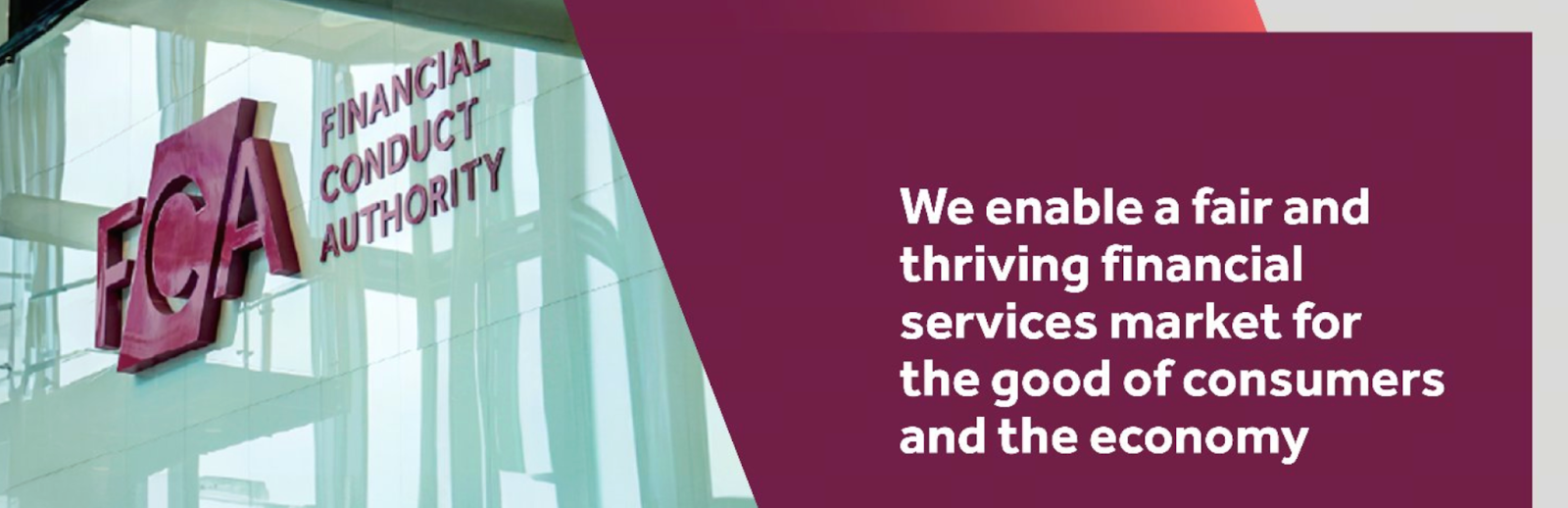
FCA to Take Lead as Core Regulator, Crypto Services to Follow Financial Institution Standards
(Source: TheFCA)
Under this plan, every company offering crypto-related services in the UK—including exchanges, custodial wallet providers, and platform operators—will face stricter compliance requirements and direct supervision from the Financial Conduct Authority (FCA). These requirements include operational transparency, mandatory information disclosure, anti-money laundering and counter-terrorism financing controls, and real-time monitoring of suspicious transactions. For the first time, crypto firms will shoulder regulatory responsibilities comparable to those of banks and brokerage houses. Compliance will become a baseline requirement, not an optional consideration.
Policy Focus: Strengthening Consumer Protection and Market Stability
The UK government has stated that as cryptocurrencies increasingly serve as investment and payment tools, current regulations can no longer adequately protect everyday users. The new regulatory framework aims to close these gaps, boost investor confidence, and enhance the ability to detect scams and illicit fund flows.
Chancellor of the Exchequer Rachel Reeves also emphasized that bringing crypto assets under regulatory oversight is not just about managing risk—it is a pivotal move to keep the UK competitive in digital finance.
Regulation Draws a Clear Roadmap for the Industry
Officials have repeatedly stressed that this new regime is not meant to stifle innovation, but to create a predictable, reliable environment for the market. With clear rules and defined responsibilities, crypto companies will be better positioned to invest long-term and expand their operations in the UK. This framework will also help attract top talent and capital to the sector.
For the industry, this marks a shift from an experimental market to an institutionalized one. While compliance costs will rise, the trade-off is a more stable foundation for growth.
Market Volatility and Fraud Drive Regulatory Upgrades
In recent years, the crypto market’s extreme volatility, coupled with a surge in investment fraud, has driven this policy shift. Official data shows that losses from investment scams in the UK have grown sharply within a year, with fake crypto investment schemes accounting for a significant portion. Several high-profile crimes involving Bitcoin have further intensified concerns about regulatory gaps.
If you want to explore more about Web3, click here to register: https://www.gate.com/
Conclusion
As the UK prepares to fully integrate crypto assets into its financial regulatory system, the market is moving out of the shadows toward greater transparency and institutionalization. For businesses, this is a test of compliance and professionalism. For investors, it means stronger protections are taking shape. The crypto sector’s role in the UK is shifting from a fringe innovation to a formal part of the financial system.
Share
Content
Crypto Assets Officially Incorporated into the UK’s Financial Regulatory Framework
FCA to Take Lead as Core Regulator, Crypto Services to Follow Financial Institution Standards
Policy Focus: Strengthening Consumer Protection and Market Stability
Regulation Draws a Clear Roadmap for the Industry
Market Volatility and Fraud Drive Regulatory Upgrades
Conclusion


Related Articles

2025 BTC Price Prediction: BTC Trend Forecast Based on Technical and Macroeconomic Data

Flare Crypto Explained: What Is Flare Network and Why It Matters in 2025

Pi Coin Transaction Guide: How to Transfer to Gate.com

How to Use a Crypto Whale Tracker: Top Tool Recommendation for 2025 to Follow Whale Moves

What is N2: An AI-Driven Layer 2 Solution