che pfp
What Is a Che Guevara PFP?
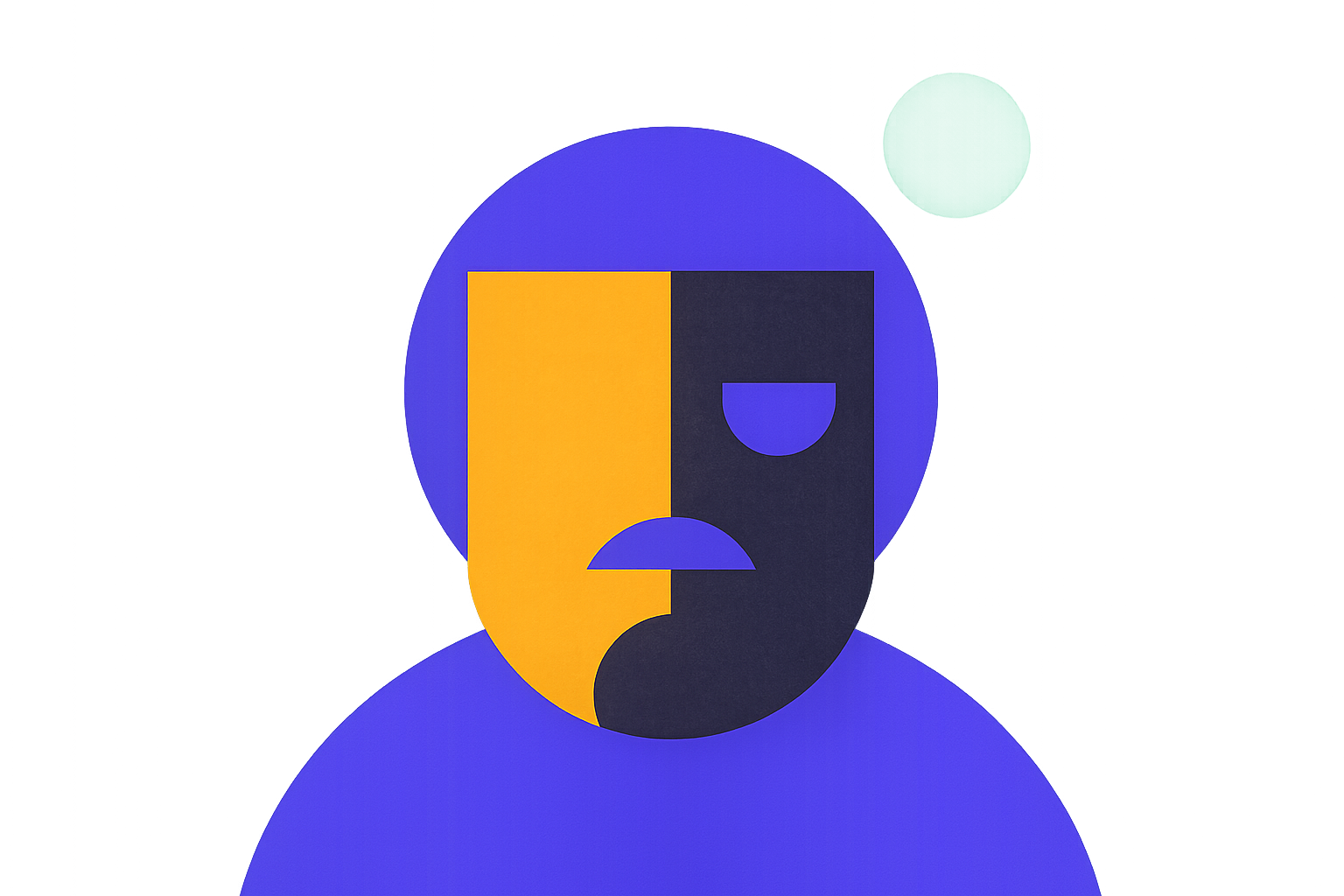
A Che Guevara PFP (Profile Picture) refers to a digital avatar or personal profile image themed around the iconic likeness of Che Guevara. It is used to showcase one’s identity and affiliation with certain communities, and may also serve as a collectible asset on the blockchain. These images can range from regular digital pictures to NFT artworks published on the blockchain.
On social platforms, a PFP acts as your “public face,” helping others quickly identify your interests or values. In the Web3 ecosystem, it becomes an “on-chain business card,” which can be linked to your wallet address, username, or domain name system, further strengthening your digital identity.
Why Is the Che Guevara PFP Noteworthy in Web3?
The Che Guevara PFP garners attention in Web3 due to its role in representing identity, community affiliation, and topical engagement, combined with its on-chain collectible features. This adds both symbolic and verifiable value to community interactions.
Web3 culture emphasizes voluntary association and open collaboration. PFPs are the most direct community signal: choosing a Che Guevara avatar may express appreciation for a cultural icon or participation in themed creative projects and community events. Blockchain records make ownership and engagement verifiable, helping to build stronger social networks.
What Is the Relationship Between Che Guevara PFPs and NFTs?
Che Guevara PFPs are closely tied to NFTs. An NFT (Non-Fungible Token) is a method of registering unique digital collectibles on the blockchain, while PFPs are a popular NFT category centered around avatars. Many PFP projects mint these images as NFTs to facilitate ownership verification, trading, and community governance.
It’s important to note that owning a PFP NFT does not automatically grant commercial rights to the image. Creators usually specify licensing terms on the artwork’s page or within the smart contract—some allow only personal display, while others may offer broader permissions (such as commercial use). Reviewing these terms is essential to determine whether an image can be used for branding or merchandise.
How to Legally Use a Che Guevara PFP: Copyrights and Licensing
Legal use revolves around confirming the source of the image and understanding the scope of its authorization to avoid infringing copyright or publicity rights. Purchasing an NFT does not equate to acquiring full copyrights; commercial use depends on the license.
Step 1: Verify Source. Check the artwork’s description and creator profile to determine if it’s original, derivative, or based on historical photography. Images of famous figures may involve copyrights of the original photograph or rights related to derivative works.
Step 2: Review Licensing. Artwork typically specifies permitted uses (such as personal display only, modification allowed, or commercial use permitted). If no clear license is provided, assume commercial use is not allowed; personal use as a social avatar usually poses minimal issues but platform rules still apply.
Step 3: Keep Proof. Save purchase records, screenshots of licensing terms, and contract addresses. In case of disputes, these serve as evidence. For commercial use, obtain written authorization or choose works explicitly marked for commercial purposes.
Step 4: Respect Platform Policies. Different platforms have specific rules regarding the display of political figures or sensitive symbols; violations may result in removal or restrictions.
How Are Che Guevara PFPs Used on Gate?
On Gate, Che Guevara PFPs are mainly used for collection and community interaction. Users can follow PFP NFT releases and transactions on Gate’s NFT marketplace and use authorized images as their profile pictures in communities and social channels.
Within Gate, you can:
- Track the release and trading of avatar NFTs by reviewing artwork descriptions and licensing information.
- Download purchased images for use as avatars on social platforms, participating in community activities with proof of ownership.
- Combine your wallet address and username with your avatar for consistent “on-chain and off-chain” identity representation.
How to Select and Create a Che Guevara PFP
Selecting and creating a Che Guevara PFP involves several key steps, focusing on both compliance and aesthetics.
Step 1: Define Purpose. Determine if it’s for personal social use, community activities, or brand promotion—different purposes have different licensing requirements.
Step 2: Source Material Carefully. Prioritize works with clear licenses (e.g., creator-stated personal or commercial use), or commission designers for original derivative works.
Step 3: Check Licenses and Risks. Read the artwork’s page and contract information to confirm whether modifications, commercial use, or redistribution are permitted.
Step 4: Optimize Output. Ensure a unified style and correct dimensions for common platforms; retain source files and proof of authorization.
Step 5: Mint or Collect On-Chain. For on-chain proof of ownership, mint your work as an NFT or purchase an existing NFT, and record the contract address and transaction hash for future verification.
What Are the Main Risks Associated with Che Guevara PFPs?
Risks primarily stem from copyright issues, platform rules, and social perception. Using unauthorized images for commercial purposes can result in copyright disputes. Some platforms have policies regarding sensitive imagery; violations may lead to content removal or account restrictions.
On the social side, avatars are strong signals—using imagery with significant historical or political context can influence others’ perceptions and collaboration opportunities. There are also security risks: scammers may impersonate others using popular avatars, so always verify identity through contract addresses and transaction records.
Any decisions involving financial investment or compliance should be evaluated independently; seek professional legal advice if considering commercial use.
Trends and Future Outlook for Che Guevara PFPs
As of 2024, avatar NFTs (PFPs) remain mainstream digital identity assets, expanding into richer licensing models and community engagement mechanisms. Trends include: creators offering clearer licensing terms, on-chain identity (DID) integrating across platforms, and avatar ownership being tied to community privileges (such as exclusive events or content).
Looking forward, Che Guevara PFPs with clear licensing terms, verifiable creator information, and cross-platform display capabilities will see broader adoption; those lacking authorization and compliance are likely to be marginalized by the market.
Key Takeaways: Che Guevara PFPs
Che Guevara PFPs combine identity representation with collectible value and frequently appear as PFPs and NFTs in Web3. The core is clarity around licensing and intended use: social avatars typically carry low risk, while commercialization requires caution. Integrating collection and community participation—along with consistent visual branding across platforms like Gate—helps build trustworthy digital identities. However, users should always be mindful of copyright, platform policies, and social perception risks for sustainable long-term use.
FAQ
What should I know before using a Che Guevara image as my social media avatar?
Ensure your chosen image is from a legal source with proper authorization. If it’s an NFT avatar, verify the authenticity of its smart contract; if it’s a regular image, opt for Creative Commons or officially licensed versions. Be aware of each platform’s upload guidelines to avoid potential copyright disputes.
Why are Che Guevara PFPs so popular in crypto communities?
Che Guevara avatars have gained popularity in Web3 due to their striking visual recognition and strong cultural symbolism. Many crypto enthusiasts use them as identity tags or expressions of cultural affiliation, shaping a unique community culture. Platforms like Gate have launched related campaigns, further amplifying their influence.
How can I verify the authenticity of a Che Guevara NFT avatar?
You can verify authenticity by checking the NFT’s blockchain contract address (compare it against official sources), reviewing issuer verification status on social media accounts, or searching on reputable platforms like OpenSea. It is advisable to purchase from official marketplaces like Gate to avoid knockoffs.
What practical benefits come from holding a Che Guevara NFT avatar?
Benefits include potential appreciation (as cultural interest grows), community perks (such as airdrop rewards or exclusive privileges), and social value (enhanced community status through identity signaling). However, price volatility is a risk—NFTs should not be seen as primary investments; always assess rationally.
How can I display or trade Che Guevara-related NFTs on Gate?
Gate allows you to showcase NFT avatars on your profile page by connecting your NFT wallet to your Gate account. For trading, you can browse, buy, or sell relevant collectibles via Gate’s NFT marketplace feature. Familiarize yourself with platform fee structures and security protocols to safeguard your assets.
Related Articles
Top 10 NFT Data Platforms Overview

7 Analysis Tools for Understanding NFTs