Blockchain Technology: How Oracles Work
Oracles in Blockchain Technology
What Is a Blockchain Oracle in Simple Terms?
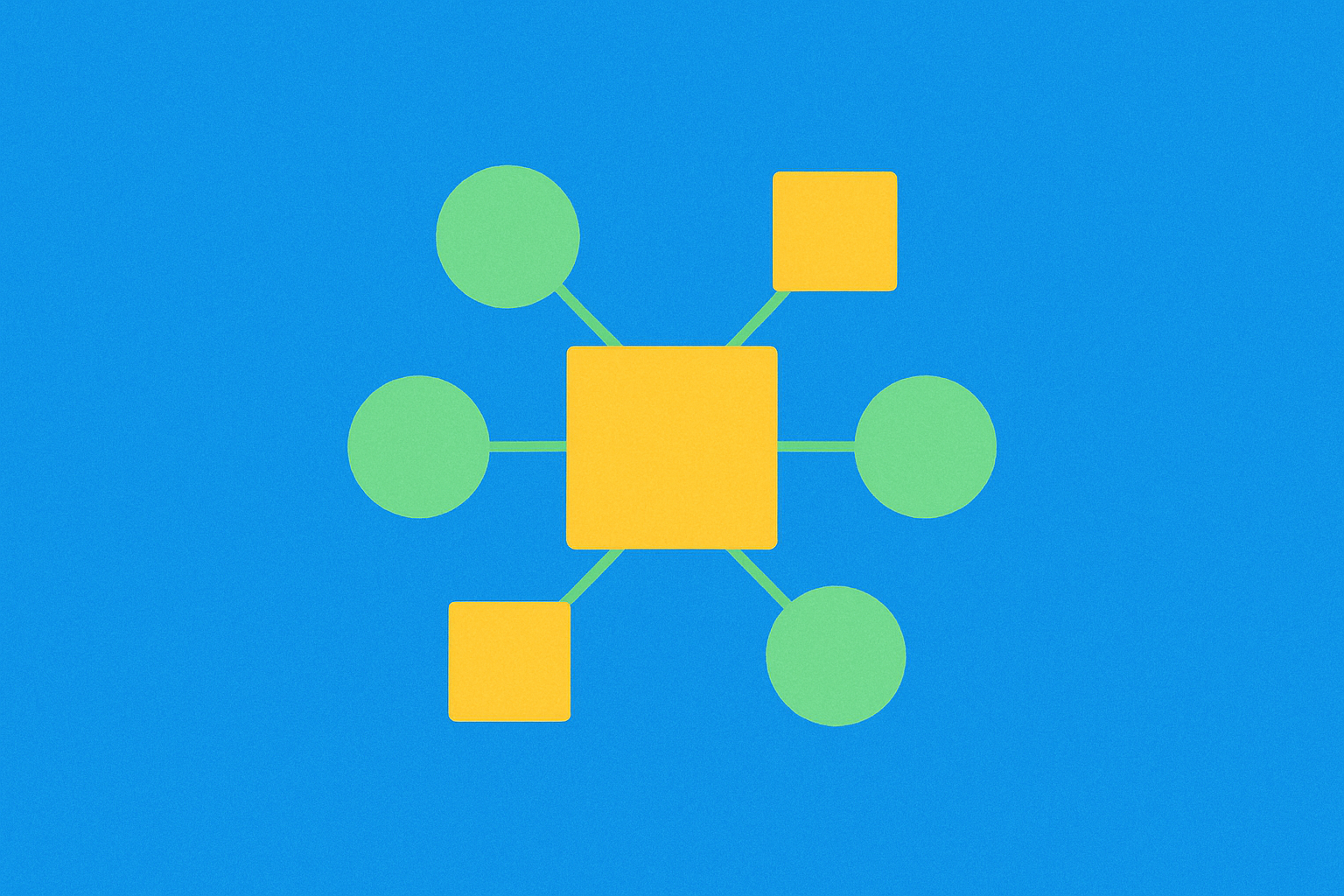
Oracles are specialized third-party services that act as critical intermediaries between smart contracts and external data sources. In simple terms, an oracle is a mediator that enables blockchains to access information from the real world. Oracles serve as a bridge connecting blockchain networks to external environments, allowing decentralized applications to interact with off-chain data.
Blockchains and smart contracts are inherently isolated systems; they cannot access off-chain data on their own. Yet, many smart contract use cases require up-to-date external information to execute terms correctly. This is where oracles become indispensable—providing two-way communication between on-chain and off-chain data sources.
To simplify, an oracle is not the source of the data itself. Instead, it is an intermediary infrastructure layer that queries external sources, verifies and authenticates the information, then relays it to the blockchain network. Data types delivered by oracles range from market quotes and exchange rates to payment confirmations and sensor readings.
Oracle Use Case Example
To further clarify, consider a practical example. Suppose Alice and Bob make a bet on the outcome of the US presidential election. Alice is confident the Republican candidate will win; Bob bets on the Democratic nominee. They agree on the bet’s terms and lock the funds in a smart contract, which will automatically transfer the winnings to the winner based on the election results.
Because the smart contract operates within the blockchain and lacks direct access to external information, it relies entirely on an oracle to retrieve the election outcome. After voting concludes, the oracle queries a trusted API to determine the winner and passes this data to the smart contract. The contract then automatically transfers the locked funds to Alice or Bob, depending on the results.
Without an oracle transmitting external data, objectively determining the winner without third-party intervention would be impossible—which contradicts the principles of decentralization. This example clearly illustrates that oracles are essential tools for connecting blockchain to real-world events.
Types of Oracles
Blockchain oracles can be categorized by data source, information flow direction, and trust model. A single oracle may fall into multiple categories. For instance, an oracle pulling data from a corporate website is both centralized and software-based. Understanding these distinctions helps clarify what an oracle is and how it works.
Software Oracles
Software oracles interact with online data sources and transmit information to the blockchain. These sources include online databases, servers, websites, and virtually any digital resource available online.
With constant internet connectivity, software oracles can supply and update data for smart contracts in real time, making them highly sought after in the blockchain industry. Typical data includes crypto market prices, digital asset values, flight schedules, and other dynamic metrics.
Hardware Oracles
Hardware oracles integrate smart contracts with the physical world, obtaining data from real devices and converting it into blockchain-readable formats. These sources include sensors, barcode scanners, RFID tags, and other information-gathering devices.
Their primary function is to translate physical events into digital values for smart contract processing. A practical example is a logistics tracking system: a sensor records a cargo truck’s arrival at a loading dock and transmits this data to a smart contract, which then triggers the next logistics stage or initiates payment based on received information.
Inbound and Outbound Oracles
Inbound oracles extract external data and deliver it to smart contracts. Outbound oracles work in the opposite direction, receiving smart contract data and transmitting it to external systems.
For example, an inbound oracle might report a warehouse temperature sensor reading to a smart contract, while an outbound oracle could control a smart lock—when the contract detects payment to a specified address, it sends a command via the outbound oracle to unlock the device. This bidirectional interaction enables advanced automation and complex IoT systems on blockchain.
Centralized vs. Decentralized Oracles
A centralized oracle is controlled by a single entity—either an organization or individual—and serves as the sole information source for a smart contract. This model introduces significant risk since contract reliability depends entirely on the controller’s integrity. Malicious interference or compromise of the centralized oracle directly impacts smart contract operations. The main issue is a single point of failure, which makes contracts vulnerable to attacks and manipulation.
Decentralized oracles align with the philosophy of public blockchains, minimizing counterparty risk. They improve information reliability by sourcing data from multiple independent providers. Smart contracts request data from several oracles and use consensus to validate accuracy. For this reason, decentralized oracles are also called consensus oracles. Understanding the difference between centralized and decentralized oracles is essential to grasping the concept of oracles.
Several blockchain projects specialize in providing decentralized oracle services to other networks. These solutions are particularly effective in prediction markets, where consensus among participants can confirm the validity of outcomes.
Contract-Specific Oracles
Contract-specific oracles are tailored for use within a single smart contract. Deploying multiple contracts requires creating a corresponding number of individual oracles.
This approach is labor-intensive and costly to maintain. For businesses needing data from multiple sources, this model is often impractical. However, contract-specific oracles offer the advantage of custom development for a particular use case, providing developers with high flexibility to meet specific requirements.
Human Oracles
In certain scenarios, qualified experts serve as oracles. Their responsibilities include researching and verifying information from various sources, then transmitting validated data to smart contracts.
Cryptographic identity verification helps ensure that malicious actors cannot impersonate legitimate human oracles and submit false data. The human factor adds expert judgment and critical analysis, which is especially valuable in complex or ambiguous cases requiring professional assessment.
Oracle Challenges
Because smart contracts rely on data provided by oracles, these services are crucial for the stability of the blockchain ecosystem. The central challenge, known as the "oracle problem," is that any compromise of the oracle directly affects the smart contract relying on it.
Oracles operate outside the blockchain network and are not part of public blockchains’ consensus or security mechanisms, creating tension between the need for trusted third-party oracles and the principle of trustless smart contract execution—a problem that remains unsolved.
Additional threats include "man-in-the-middle" attacks, where an attacker intercepts data between the oracle and contract, enabling data modification or substitution. Developing robust defenses against these attacks is a priority for oracle technology. Understanding these risks is key to comprehending oracle technology and its challenges.
Conclusion
A secure communication mechanism between smart contracts and the external world is vital for global blockchain adoption. Without oracles, smart contracts would be limited to on-chain data, drastically reducing their practical utility.
In summary, oracles are essential tools that enable blockchain technology to interact with the real world. Decentralized oracles demonstrate strong potential for reducing systemic risk within blockchain ecosystems through advanced security mechanisms.
Oracle technology development remains a critical area for blockchain infrastructure improvement. Deploying secure, reliable, and trustworthy oracle solutions is essential for blockchain’s continued growth and broader application across industries and society.
FAQ
What Is an Oracle in Simple Terms?
A blockchain oracle is a service that transmits real-world data—such as prices, weather, and events—from external sources to smart contracts. It bridges the blockchain and reality, providing reliable information for automated contracts.
What Is an Oracle?
In cryptography, an oracle is a service that delivers external real-world data to the blockchain. It supplies information like asset prices, weather, and other events, enabling smart contracts to use verified off-chain data to fulfill contractual terms.
What Is the Oracle Problem?
The oracle problem refers to the challenge of reliably transferring data from external sources to the blockchain. Oracles can provide false or counterfeit data, risking smart contract integrity and security. Robust verification mechanisms are essential.
What Is the Purpose of an Oracle?
An oracle transmits external data to the blockchain, enabling smart contracts to access information about asset prices, weather, and other real-world events required for automatic contract execution.
Share
Content
How to Buy Cryptocurrency


Trending Cryptocurrencies



Warden Protocol: A Comprehensive Guide to Web3 Security in 2025

What is Hedera: Understanding its Blockchain technology and application cases in 2025
Humanity Protocol: Revolutionizing Digital Identity with Palm-Vein Scanning in 2025

Newton Protocol: The leader of Web3 Decentralized Finance in 2025

Wormhole: Revolutionizing Blockchain with Cross-Chain Bridge Technology

KAIKO: Pioneering Decentralized Data Infrastructure for Crypto Markets

Ultimate Guide to Wise Monkey Token & Future Price Insights for New Investors

Beginner's Guide to Cryptocurrency Trading

Exploring the Functionality of Polkadot Parachains: An In-Depth Overview
Convert MIR to PKR Instantly | Easy Currency Exchange Tool
Beginner's Guide to Crypto Hedging Techniques