

Trade
Basic
Futures
Futures
Hundreds of contracts settled in USDT or BTC
TradFi
Gold
Trade global traditional assets with USDT in one place
Options
Hot
Trade European-style vanilla options
Unified Account
Maximize your capital efficiency
Demo Trading
Futures Kickoff
Get prepared for your futures trading
Futures Events
Participate in events to win generous rewards
Demo Trading
Use virtual funds to experience risk-free trading
Earn
Launch
CandyDrop
Collect candies to earn airdrops
Launchpool
Quick staking, earn potential new tokens
HODLer Airdrop
Hold GT and get massive airdrops for free
Launchpad
Be early to the next big token project
Alpha Points
Trade on-chain assets and enjoy airdrop rewards!
Futures Points
Earn futures points and claim airdrop rewards
Investment
Simple Earn
Earn interests with idle tokens
Auto-Invest
Auto-invest on a regular basis
Dual Investment
Buy low and sell high to take profits from price fluctuations
Soft Staking
Earn rewards with flexible staking
Crypto Loan
0 Fees
Pledge one crypto to borrow another
Lending Center
One-stop lending hub
VIP Wealth Hub
Customized wealth management empowers your assets growth
Private Wealth Management
Customized asset management to grow your digital assets
Quant Fund
Top asset management team helps you profit without hassle
Staking
Stake cryptos to earn in PoS products
Smart Leverage
New
No forced liquidation before maturity, worry-free leveraged gains
GUSD Minting
Use USDT/USDC to mint GUSD for treasury-level yields

More


Trending Topics
View More77.94K Popularity
5.57K Popularity
1.66K Popularity
2.39K Popularity
6.92K Popularity



Pin
Gate Square | 2/5 Today's Hot Topic: #BuyTheDipOrWaitNow?
🎁 [Community Perk] Post with the topic or #BTC, 10 lucky users * $100 position Voucher.
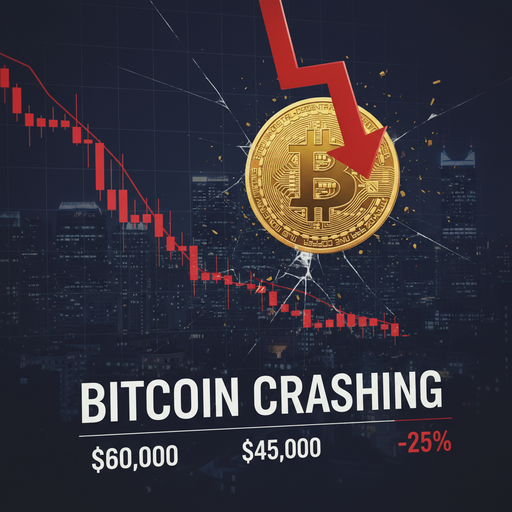
Market volatility continues as BTC breaks below the $74,000 key support level, with altcoins pulling back in sync. Are you buying the dip in batches or waiting for a better entry point?
💬 Today’s Discussion:
1️⃣ Bottom Signals: Where do you see BTC’s bottom — $70,000 or lower?
2️⃣ Market Drivers: Which recent macroeconomic news or rumors are influencing the market?
3️⃣ Dark Horses: Are there any resilient or outperforming tokens worth watching?
ShTap to Trade in Gate Square, Win up to 50 GT & Merch!
Click the trading widget in Gate Square content, complete a transaction, and take home 50 GT, Position Experience Vouchers, or exclusive Spring Festival merchandise.
Click the registration link to join
https://www.gate.com/questionnaire/7401
Enter Gate Square daily and click any trading pair or trading card within the content to complete a transaction. The top 10 users by trading volume will win GT, Gate merchandise boxes, position experience vouchers, and more.
The top prize: 50 GT.
![Spring Festival merchandise](https://exampl
NFT Transfer Challenge: Rodeo Marketplace Exits as Sector Faces Prolonged Downturn
The demise of Rodeo, a social-focused NFT marketplace, underscores a critical juncture for the digital collectibles ecosystem. With nft transfer mechanisms becoming increasingly important as platforms wind down operations, users are now confronted with the practical challenge of moving their assets to safety. The closure marks the second NFT platform exit this week, signaling that the sector’s 2022 boom has given way to a more sobering reality.
The Collapse of Community-First Collecting
Launched on Apple’s iOS platform just two years ago, Rodeo aimed to reimagine NFT collecting as a social experience rather than a purely transactional one. CEO and co-founder Kayvon Tehranian envisioned a platform where creators earned rewards for engagement, not just sales. “We believed collecting could be playful and communal—not just transactional,” he reflected, acknowledging that the platform ultimately fell short of achieving sustainable growth.
The fundamental challenge was not innovation or vision, but scale. Despite its differentiating approach to rewarding creators, Rodeo could not accumulate sufficient user base to justify long-term operations. This story has become familiar across the NFT landscape: compelling products meeting inadequate market demand.
Solving the Nft Transfer Crisis
As platforms shutter, the mechanics of asset protection gain urgency. Recognizing this, Rodeo has architected a structured nft transfer roadmap to guide users through the transition. The platform will continue operating normally until February 10, 2026—just days away—before transitioning to read-only status. By March 10, complete shutdown will occur.
Users can leverage Arweave, a decentralized blockchain data storage platform, to migrate both media and metadata. Rodeo is additionally providing an asset migration assistant, simplifying the technical complexity of extracting holdings from the platform’s smart contract. This two-pronged approach aims to ensure that nft transfer doesn’t leave users stranded or assets abandoned on-chain.
The Foundation gallery, Tehranian’s NFT artist platform that facilitated $230 million in primary sales since inception, is also being transferred—ownership is shifting to Blackdove, a digital art-focused platform committing to its stewardship.
A Market in Freefall
The broader context makes Rodeo’s exit unsurprising. Ethereum-based NFT trading volumes tell a damning story: January 2022 saw nearly $5 billion in monthly volume at the sector’s euphoric peak. By January 2026, according to CryptoSlam data, this had contracted to just $159.2 million—a decline exceeding 96% in four years.
The crash of 2022 initiated this contraction, and the intervening years have brought only momentary rallies without sustained recovery. This persistent weakness has already claimed other notable platforms. Nifty Gateway, a prominent marketplace from the 2021 NFT explosion, has similarly announced its winding-down process. Responding to community feedback, the platform recently refined its shutdown timeline, extending the nft transfer deadline to April 23 and building a bulk withdrawal tool for users managing multiple NFT positions.
The Structural Question Ahead
These cascading exits force the ecosystem to confront uncomfortable truths: whether current NFT applications can retain users without speculative fervor, and whether effective nft transfer solutions can preserve user assets during inevitable sector consolidation. The answers remain uncertain, but the urgency has become undeniable.