

Trade
Basic
Futures
Futures
Hundreds of contracts settled in USDT or BTC
TradFi
Gold
Trade global traditional assets with USDT in one place
Options
Hot
Trade European-style vanilla options
Unified Account
Maximize your capital efficiency
Demo Trading
Futures Kickoff
Get prepared for your futures trading
Futures Events
Participate in events to win generous rewards
Demo Trading
Use virtual funds to experience risk-free trading
Earn
Launch
CandyDrop
Collect candies to earn airdrops
Launchpool
Quick staking, earn potential new tokens
HODLer Airdrop
Hold GT and get massive airdrops for free
Launchpad
Be early to the next big token project
Alpha Points
Trade on-chain assets and enjoy airdrop rewards!
Futures Points
Earn futures points and claim airdrop rewards
Investment
Simple Earn
Earn interests with idle tokens
Auto-Invest
Auto-invest on a regular basis
Dual Investment
Buy low and sell high to take profits from price fluctuations
Soft Staking
Earn rewards with flexible staking
Crypto Loan
0 Fees
Pledge one crypto to borrow another
Lending Center
One-stop lending hub
VIP Wealth Hub
Customized wealth management empowers your assets growth
Private Wealth Management
Customized asset management to grow your digital assets
Quant Fund
Top asset management team helps you profit without hassle
Staking
Stake cryptos to earn in PoS products
Smart Leverage
New
No forced liquidation before maturity, worry-free leveraged gains
GUSD Minting
Use USDT/USDC to mint GUSD for treasury-level yields

More


Trending Topics
View More74.65K Popularity
3.83K Popularity
1.5K Popularity
1.92K Popularity
5.89K Popularity



Pin
Gate Square | 2/5 Today's Hot Topic: #BuyTheDipOrWaitNow?
🎁 [Community Perk] Post with the topic or #BTC, 10 lucky users * $100 position Voucher.
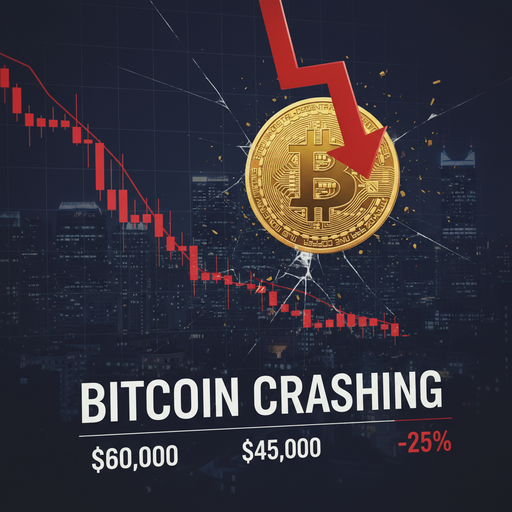
Market volatility continues as BTC breaks below the $74,000 key support level, with altcoins pulling back in sync. Are you buying the dip in batches or waiting for a better entry point?
💬 Today’s Discussion:
1️⃣ Bottom Signals: Where do you see BTC’s bottom — $70,000 or lower?
2️⃣ Market Drivers: Which recent macroeconomic news or rumors are influencing the market?
3️⃣ Dark Horses: Are there any resilient or outperforming tokens worth watching?
ShTap to Trade in Gate Square, Win up to 50 GT & Merch!
Click the trading widget in Gate Square content, complete a transaction, and take home 50 GT, Position Experience Vouchers, or exclusive Spring Festival merchandise.
Click the registration link to join
https://www.gate.com/questionnaire/7401
Enter Gate Square daily and click any trading pair or trading card within the content to complete a transaction. The top 10 users by trading volume will win GT, Gate merchandise boxes, position experience vouchers, and more.
The top prize: 50 GT.
 provides a completely different perspective on trend strength and market liquidity.
What Is Open Interest and Why Is It Important for Traders
Open Interest or oi refers to the total number of active futures and options contracts that have not been closed at a specific time. It’s not about how many people are trading, but how many positions are open and carry risk in the market at that moment.
Why is oi so important? Because oi reflects the level of commitment and confidence traders have in an asset. When oi increases, it indicates fresh capital flow and that new buyers or sellers are entering the market. Conversely, when oi decreases, it suggests traders are closing their positions, often signaling that momentum is weakening or a price reversal may occur.
Using OI to Analyze Crypto Market Trends
There are three main patterns you should watch for when reading oi signals:
First: Confirm Trends with Price and OI Combination
When the price rises along with increasing oi, this indicates a genuine and sustained uptrend. It shows that new buyers are continuously entering the market. However, if the price rises but oi falls, this is called a short squeeze—forced closing of short positions—and is often followed by a correction or price reversal. This pattern is very valuable for avoiding false breakouts.
Second: Identifying Accumulation Zones
When oi is high but volatility remains low, it indicates traders are accumulating large positions. This accumulation phase usually precedes a significant breakout. Using oi to recognize this phase gives you a much better timing advantage.
Third: Finding Potential Liquidation Zones
Extremely high oi levels at resistance or support areas are red flags. In these zones, the market tends to hunt for liquidity before making a major move. Traders who understand oi can anticipate these violent movements and adjust their risk management accordingly.
Three Practical Strategies to Use OI
OI as a trend filter: Only take buy positions if the price is rising and oi is increasing. Avoid entries when the price rises but oi decreases.
Accumulation before breakout: Look for periods with high oi and low volatility, then prepare your entry ahead of the upcoming breakout.
Identify dynamic support and resistance: Zones with the highest oi are the most important levels to watch, not just traditional static support-resistance.
Combine OI with Other Indicators for Maximum Results
Open Interest (oi) is most powerful when combined with other data. Pair oi with increasing trading volume, extreme funding rates, and classic technical analysis (support-resistance, moving averages). When all these signals align, it’s the best time to make confident and calculated trading decisions.
A common mistake traders make is relying solely on oi without cross-referencing other metrics. Use oi as a confirmation tool, not as the only signal. With this approach, you’ll gain a much more comprehensive market picture and be able to make more accurate trading decisions.
$BTC $ETH $XRP