

Trade
Basic
Futures
Futures
Hundreds of contracts settled in USDT or BTC
TradFi
Gold
Trade global traditional assets with USDT in one place
Options
Hot
Trade European-style vanilla options
Unified Account
Maximize your capital efficiency
Demo Trading
Futures Kickoff
Get prepared for your futures trading
Futures Events
Participate in events to win generous rewards
Demo Trading
Use virtual funds to experience risk-free trading
Earn
Launch
CandyDrop
Collect candies to earn airdrops
Launchpool
Quick staking, earn potential new tokens
HODLer Airdrop
Hold GT and get massive airdrops for free
Launchpad
Be early to the next big token project
Alpha Points
Trade on-chain assets and enjoy airdrop rewards!
Futures Points
Earn futures points and claim airdrop rewards
Investment
Simple Earn
Earn interests with idle tokens
Auto-Invest
Auto-invest on a regular basis
Dual Investment
Buy low and sell high to take profits from price fluctuations
Soft Staking
Earn rewards with flexible staking
Crypto Loan
0 Fees
Pledge one crypto to borrow another
Lending Center
One-stop lending hub
VIP Wealth Hub
Customized wealth management empowers your assets growth
Private Wealth Management
Customized asset management to grow your digital assets
Quant Fund
Top asset management team helps you profit without hassle
Staking
Stake cryptos to earn in PoS products
Smart Leverage
New
No forced liquidation before maturity, worry-free leveraged gains
GUSD Minting
Use USDT/USDC to mint GUSD for treasury-level yields

More


Bhutan sells $22 million worth of Bitcoin! Mining costs double after halving, significantly reducing output
6h ago
CFTC Overturns Biden Proposal! Prediction Market Ban Reversed, Polymarket Legal Dilemma Temporarily Halted
6h ago
Trending Topics
View More77.73K Popularity
5.24K Popularity
1.66K Popularity
2.39K Popularity
6.9K Popularity



Pin
Gate Square | 2/5 Today's Hot Topic: #BuyTheDipOrWaitNow?
🎁 [Community Perk] Post with the topic or #BTC, 10 lucky users * $100 position Voucher.
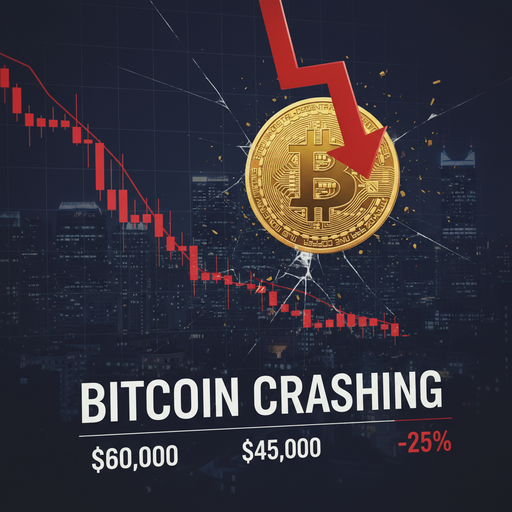
Market volatility continues as BTC breaks below the $74,000 key support level, with altcoins pulling back in sync. Are you buying the dip in batches or waiting for a better entry point?
💬 Today’s Discussion:
1️⃣ Bottom Signals: Where do you see BTC’s bottom — $70,000 or lower?
2️⃣ Market Drivers: Which recent macroeconomic news or rumors are influencing the market?
3️⃣ Dark Horses: Are there any resilient or outperforming tokens worth watching?
ShTap to Trade in Gate Square, Win up to 50 GT & Merch!
Click the trading widget in Gate Square content, complete a transaction, and take home 50 GT, Position Experience Vouchers, or exclusive Spring Festival merchandise.
Click the registration link to join
https://www.gate.com/questionnaire/7401
Enter Gate Square daily and click any trading pair or trading card within the content to complete a transaction. The top 10 users by trading volume will win GT, Gate merchandise boxes, position experience vouchers, and more.
The top prize: 50 GT.
. Burning 78 million tokens means these are permanently removed from circulation, shrinking supply. However, reallocating another 78 million tokens to reserves does not reduce potential future supply but changes distribution.
He states that recently, the team has switched to an on-chain automated buyback process, funded by platform fees, with daily automatic buyback limits set. This allows the community to track buyback activity in real-time via blockchain explorers and dashboards, reducing concerns over “black box” operations. This transparency directly counters insider trading allegations, moving what might have been centralized buyback operations onto a fully on-chain, public process.
The benefit of on-chain automation is verifiability. Community members can check the buyback wallet address to confirm whether buybacks are happening daily, and whether the amounts and prices align with announced rules. Such transparency is difficult in traditional finance but standard on blockchain. If Aster truly implements on-chain automatic buybacks as claimed, it would be a strong rebuttal to insider trading accusations.
Additionally, the current trading and airdrop activities are labeled as the final round, with subsequent token releases slowing down to reduce supply pressure. If this promise is fulfilled, it would improve the token’s economic supply-demand structure. Many failed DeFi projects in the past suffered because token release schedules outpaced demand growth, leading to continuous selling pressure and price declines. If Aster can slow token issuance, it could benefit long-term price stability.
Platform Data Countering “Death Spiral” Narrative
Despite recent price declines, Leonard emphasizes that overall platform operational data has not worsened and, in fact, shows sustained trading activity. He cites on-chain and third-party data indicating that Aster’s locked assets (TVL) and perpetual contract trading volume remain high, with fee income supporting the long-term buyback mechanism.
This phenomenon—price dropping while data remains stable—is not uncommon in DeFi. Token prices are mainly driven by speculation and supply-demand dynamics, whereas actual platform usage reflects real value. If TVL and trading volume stay steady, it indicates users are still engaging with Aster’s services, providing fundamental support for the token. As long as the platform continues generating fee revenue, buyback mechanisms can operate continuously, creating a structural buy pressure that may stabilize prices over time.
However, critics may question the authenticity of these data. Without independent third-party audits, the platform’s claimed TVL and trading volume could be inflated. History in crypto shows cases of data misreporting—from exchange wash trading to DeFi protocols artificially boosting TVL. To dispel insider trading doubts, Aster might need to provide audited financial and operational data verified by independent agencies.
Leonard concludes by stating that the team is willing to provide more on-chain proofs and audit reports, welcoming community and research scrutiny. He urges the market to evaluate the project based on actual product progress and execution rather than rumors or panic. This open attitude is positive, but the key is whether they follow through and provide credible evidence.
For Aster token holders, the current situation is very awkward. The price continues to fall, which is factual, but whether insider trading is happening remains unproven. Rationally, the focus should be on whether Aster will truly release more audited data, maintain on-chain buyback operations, and whether platform TVL and trading volume can withstand independent verification. If these conditions are met, Aster might indeed be falsely accused. If promises are not fulfilled or data cannot be verified, suspicions of insider trading could be justified.