

Trade
Basic
Futures
Futures
Hundreds of contracts settled in USDT or BTC
TradFi
Gold
Trade global traditional assets with USDT in one place
Options
Hot
Trade European-style vanilla options
Unified Account
Maximize your capital efficiency
Demo Trading
Futures Kickoff
Get prepared for your futures trading
Futures Events
Participate in events to win generous rewards
Demo Trading
Use virtual funds to experience risk-free trading
Earn
Launch
CandyDrop
Collect candies to earn airdrops
Launchpool
Quick staking, earn potential new tokens
HODLer Airdrop
Hold GT and get massive airdrops for free
Launchpad
Be early to the next big token project
Alpha Points
Trade on-chain assets and enjoy airdrop rewards!
Futures Points
Earn futures points and claim airdrop rewards
Investment
Simple Earn
Earn interests with idle tokens
Auto-Invest
Auto-invest on a regular basis
Dual Investment
Buy low and sell high to take profits from price fluctuations
Soft Staking
Earn rewards with flexible staking
Crypto Loan
0 Fees
Pledge one crypto to borrow another
Lending Center
One-stop lending hub
VIP Wealth Hub
Customized wealth management empowers your assets growth
Private Wealth Management
Customized asset management to grow your digital assets
Quant Fund
Top asset management team helps you profit without hassle
Staking
Stake cryptos to earn in PoS products
Smart Leverage
New
No forced liquidation before maturity, worry-free leveraged gains
GUSD Minting
Use USDT/USDC to mint GUSD for treasury-level yields

More


Trending Topics
View More77.9K Popularity
5.55K Popularity
1.66K Popularity
2.39K Popularity
6.92K Popularity



Pin
Gate Square | 2/5 Today's Hot Topic: #BuyTheDipOrWaitNow?
🎁 [Community Perk] Post with the topic or #BTC, 10 lucky users * $100 position Voucher.
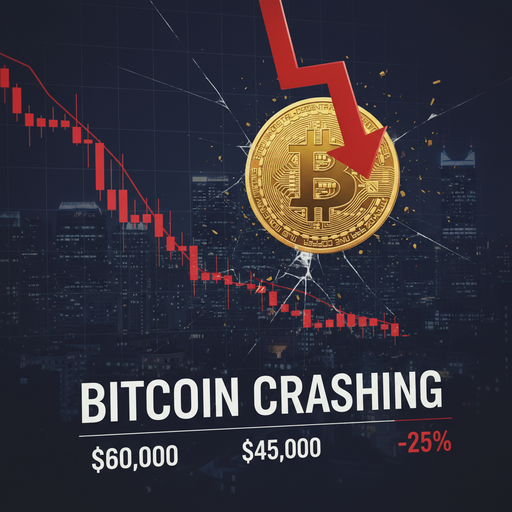
Market volatility continues as BTC breaks below the $74,000 key support level, with altcoins pulling back in sync. Are you buying the dip in batches or waiting for a better entry point?
💬 Today’s Discussion:
1️⃣ Bottom Signals: Where do you see BTC’s bottom — $70,000 or lower?
2️⃣ Market Drivers: Which recent macroeconomic news or rumors are influencing the market?
3️⃣ Dark Horses: Are there any resilient or outperforming tokens worth watching?
ShTap to Trade in Gate Square, Win up to 50 GT & Merch!
Click the trading widget in Gate Square content, complete a transaction, and take home 50 GT, Position Experience Vouchers, or exclusive Spring Festival merchandise.
Click the registration link to join
https://www.gate.com/questionnaire/7401
Enter Gate Square daily and click any trading pair or trading card within the content to complete a transaction. The top 10 users by trading volume will win GT, Gate merchandise boxes, position experience vouchers, and more.
The top prize: 50 GT.
, posted on social media stating: “The FCC welcomes SpaceX’s application for orbital data centers and is now seeking public comments.”
“According to the application, the satellite system to be launched will be the first step toward a Kardashev Type II civilization and can achieve other objectives,” Brendan Carr mentioned.
The satellite application accepted by the FCC was submitted by SpaceX on January 30th. It involves “a satellite constellation with unprecedented computing power that can support advanced AI models and related applications.” This satellite system will include up to 1 million satellites, establishing an orbital data center network around the Earth.
According to foreign media reports, typically, the FCC takes several weeks or even months to respond. However, in this case, the FCC made a decision within just a few days, surprising many with the speed of approval.
Brendan Carr attached an announcement of the acceptance and public consultation on social media. The announcement reiterated the details of SpaceX’s application, the satellite system description, and the rules for exemptions requested by SpaceX. The deadline for public comments is March 6, 2026.
The orbital data center proposed by SpaceX aims to accommodate the explosive growth of data driven by AI, machine learning, and edge computing. It will provide the computational capacity needed for large-scale AI inference and data center applications, serving billions of users worldwide. The satellites within the system will operate within a narrow orbital shell no wider than 50 kilometers (leaving enough space to avoid conflicts with other systems with similar objectives).
These satellites will operate in “sun-synchronous orbits at altitudes of 500 to 2000 kilometers with a 30-degree inclination,” directly utilizing nearly constant solar energy, requiring almost no operational or maintenance costs, thereby achieving revolutionary cost reductions and energy efficiency improvements, while significantly reducing the environmental impact caused by ground-based data centers.
This satellite system will heavily rely on high-bandwidth optical link communications and connect with the “Starlink” constellation, utilizing existing satellite internet systems to transmit data to ground stations.
Currently, SpaceX’s “Starlink” satellite internet constellation has launched over 10,000 satellites. The scale of 1 million satellites far exceeds “Starlink.” Skepticism about the feasibility of this plan has been raised, along with concerns about space debris, atmospheric pollution, and other issues.
(Source: Shanghai Securities News)