

Trade
Basic
Futures
Futures
Hundreds of contracts settled in USDT or BTC
TradFi
Gold
Trade global traditional assets with USDT in one place
Options
Hot
Trade European-style vanilla options
Unified Account
Maximize your capital efficiency
Demo Trading
Futures Kickoff
Get prepared for your futures trading
Futures Events
Participate in events to win generous rewards
Demo Trading
Use virtual funds to experience risk-free trading
Earn
Launch
CandyDrop
Collect candies to earn airdrops
Launchpool
Quick staking, earn potential new tokens
HODLer Airdrop
Hold GT and get massive airdrops for free
Launchpad
Be early to the next big token project
Alpha Points
Trade on-chain assets and enjoy airdrop rewards!
Futures Points
Earn futures points and claim airdrop rewards
Investment
Simple Earn
Earn interests with idle tokens
Auto-Invest
Auto-invest on a regular basis
Dual Investment
Buy low and sell high to take profits from price fluctuations
Soft Staking
Earn rewards with flexible staking
Crypto Loan
0 Fees
Pledge one crypto to borrow another
Lending Center
One-stop lending hub
VIP Wealth Hub
Customized wealth management empowers your assets growth
Private Wealth Management
Customized asset management to grow your digital assets
Quant Fund
Top asset management team helps you profit without hassle
Staking
Stake cryptos to earn in PoS products
Smart Leverage
New
No forced liquidation before maturity, worry-free leveraged gains
GUSD Minting
Use USDT/USDC to mint GUSD for treasury-level yields

More


Trending Topics
View More77.88K Popularity
5.55K Popularity
1.66K Popularity
2.39K Popularity
6.92K Popularity



Pin
Gate Square | 2/5 Today's Hot Topic: #BuyTheDipOrWaitNow?
🎁 [Community Perk] Post with the topic or #BTC, 10 lucky users * $100 position Voucher.
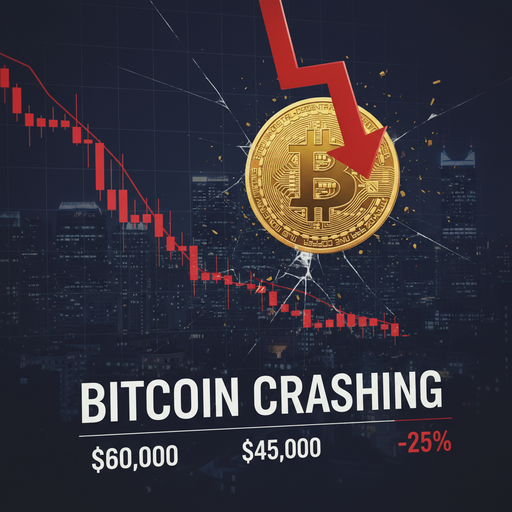
Market volatility continues as BTC breaks below the $74,000 key support level, with altcoins pulling back in sync. Are you buying the dip in batches or waiting for a better entry point?
💬 Today’s Discussion:
1️⃣ Bottom Signals: Where do you see BTC’s bottom — $70,000 or lower?
2️⃣ Market Drivers: Which recent macroeconomic news or rumors are influencing the market?
3️⃣ Dark Horses: Are there any resilient or outperforming tokens worth watching?
ShTap to Trade in Gate Square, Win up to 50 GT & Merch!
Click the trading widget in Gate Square content, complete a transaction, and take home 50 GT, Position Experience Vouchers, or exclusive Spring Festival merchandise.
Click the registration link to join
https://www.gate.com/questionnaire/7401
Enter Gate Square daily and click any trading pair or trading card within the content to complete a transaction. The top 10 users by trading volume will win GT, Gate merchandise boxes, position experience vouchers, and more.
The top prize: 50 GT.
, ETH at $2.12K (down 7.28% in 24h). Short-term volatility cannot hide a simple fact: the global liquidity environment is quietly changing.
“Standing Pat” Under Political Pressure
2026 marks a turning point. The Trump administration’s tariffs and fiscal deficits have exerted unprecedented political pressure on the Federal Reserve, leading markets to anticipate rate cuts to ease economic stress. However, Powell has chosen to remain neutral, which is the last line of defense in maintaining the Fed’s independence.
What does this mean for the crypto market? A stable and predictable policy environment is more conducive to institutional capital entering than volatile decision-making. Once the policy tone becomes clear, volatility in risk assets will decrease, but the directional trend will become clearer.
The Hidden Risks and Opportunities of “Inflation Rebound”
The Personal Consumption Expenditures (PCE) Price Index is currently around 2.8%, leaving an 0.8% gap to the Fed’s 2% target. The superficial reason for the Fed’s reluctance to cut rates immediately is to “prevent inflation from rebounding,” but the deeper logic is to reserve room for future policy adjustments.
Meanwhile, the S&P 500 has already broken through 7000 points, sending a clear message to the market: large capital has long since accepted that “interest rate cycles have peaked, and the next move is downward.” This explains why, even without rate changes, institutional buying of crypto assets persists.
The “Undercurrent” of Liquidity Management
The most deceptive aspect is the phrase “interest rates remain unchanged.” In reality, the Fed has begun adjusting its balance sheet by purchasing short-term bonds, which is equivalent to a gentle “liquidity injection.” Although there’s no official rate cut, the increase in money supply has quietly started.
Think of it as a reservoir: the sluice gates (interest rates) are not fully open, but the bottom pumps (asset purchases) are already operating. This directly benefits liquidity-sensitive assets—especially cryptocurrencies.
What History Tells Us
Looking back to late 2024, markets were tangled over whether the rate cut would be 25bp or 50bp, leading to increased volatility. Once the Fed confirmed a smooth transition policy tone, Bitcoin immediately surged to new highs.
The current logic is the same: as long as rates are not raised, risk assets are effectively given a “confidence boost.” Institutional investors—especially large funds heavily invested in crypto ETFs—fear policy uncertainty more than high or low rates. Since the Fed’s rate path has become clearer, the pace of large capital inflows will only accelerate.
Operational Guidelines
Long-term Holders: Do not panic sell due to the short-term stability of interest rates. A 3.5% rate environment is not “tight monetary policy” historically; expect 1-2 rate cuts in the second half of 2026. Every current price correction is actually institutions accumulating at lower levels. A dollar-cost averaging strategy is recommended, holding onto spot positions firmly.
Short-term Traders and Derivatives Players: The market is currently in a sideways phase after “market has digested the good news,” with volatility likely to contract short-term. The key indicator is the US dollar index (DXY). If the dollar weakens, it will be a clear signal for a significant rally in crypto. Strictly control leverage and closely monitor BTC’s performance at key support levels.
Sector Focus: Besides mainstream Bitcoin (BTC) and Ethereum (ETH), pay close attention to the AI sector and Layer 2 ecosystems, which are most sensitive to liquidity. When liquidity is abundant, these high-growth sectors tend to see the fastest capital inflows.
Conclusion: Trends Over Predictions
Every statement from Powell warrants careful consideration, but rather than obsessing over every literal detail, it’s better to grasp the broader macro trend. The long-term logic of global monetary easing remains unchanged, and the role of crypto assets as an inflation hedge has not wavered. When policy environments shift from uncertainty to clarity, and liquidity moves from hidden to explicit, the bull case for risk assets will naturally unfold.
The key is not whether the Fed will cut rates, but that the market has already priced in this expectation in advance. For investors still on the sidelines, waiting often comes at a higher cost than acting.