

Trade
Basic
Futures
Futures
Hundreds of contracts settled in USDT or BTC
TradFi
Gold
Trade global traditional assets with USDT in one place
Options
Hot
Trade European-style vanilla options
Unified Account
Maximize your capital efficiency
Demo Trading
Futures Kickoff
Get prepared for your futures trading
Futures Events
Participate in events to win generous rewards
Demo Trading
Use virtual funds to experience risk-free trading
Earn
Launch
CandyDrop
Collect candies to earn airdrops
Launchpool
Quick staking, earn potential new tokens
HODLer Airdrop
Hold GT and get massive airdrops for free
Launchpad
Be early to the next big token project
Alpha Points
Trade on-chain assets and enjoy airdrop rewards!
Futures Points
Earn futures points and claim airdrop rewards
Investment
Simple Earn
Earn interests with idle tokens
Auto-Invest
Auto-invest on a regular basis
Dual Investment
Buy low and sell high to take profits from price fluctuations
Soft Staking
Earn rewards with flexible staking
Crypto Loan
0 Fees
Pledge one crypto to borrow another
Lending Center
One-stop lending hub
VIP Wealth Hub
Customized wealth management empowers your assets growth
Private Wealth Management
Customized asset management to grow your digital assets
Quant Fund
Top asset management team helps you profit without hassle
Staking
Stake cryptos to earn in PoS products
Smart Leverage
New
No forced liquidation before maturity, worry-free leveraged gains
GUSD Minting
Use USDT/USDC to mint GUSD for treasury-level yields

More


Trending Topics
View More80.14K Popularity
6.81K Popularity
1.96K Popularity
2.93K Popularity
7.5K Popularity



Pin
Gate Square | 2/5 Today's Hot Topic: #BuyTheDipOrWaitNow?
🎁 [Community Perk] Post with the topic or #BTC, 10 lucky users * $100 position Voucher.
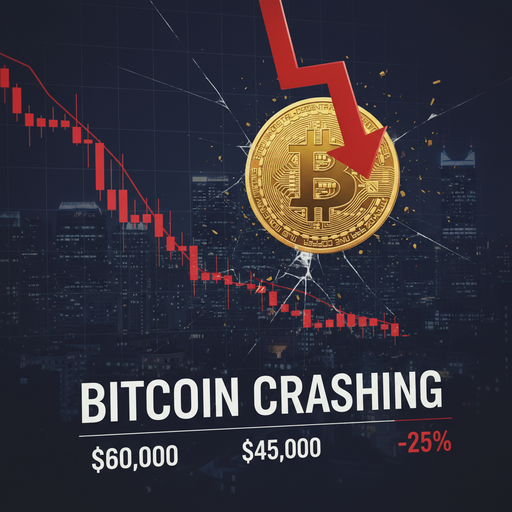
Market volatility continues as BTC breaks below the $74,000 key support level, with altcoins pulling back in sync. Are you buying the dip in batches or waiting for a better entry point?
💬 Today’s Discussion:
1️⃣ Bottom Signals: Where do you see BTC’s bottom — $70,000 or lower?
2️⃣ Market Drivers: Which recent macroeconomic news or rumors are influencing the market?
3️⃣ Dark Horses: Are there any resilient or outperforming tokens worth watching?
ShTap to Trade in Gate Square, Win up to 50 GT & Merch!
Click the trading widget in Gate Square content, complete a transaction, and take home 50 GT, Position Experience Vouchers, or exclusive Spring Festival merchandise.
Click the registration link to join
https://www.gate.com/questionnaire/7401
Enter Gate Square daily and click any trading pair or trading card within the content to complete a transaction. The top 10 users by trading volume will win GT, Gate merchandise boxes, position experience vouchers, and more.
The top prize: 50 GT.
![Spring Festival merchandise](https://exampl
Why do people change their security strategies only when it's too late
People change their security priorities out of nowhere. Almost always for one reason: when they’ve already lost something. I’ve spent enough time observing investors on exchanges to recognize this pattern. I’ve seen accounts disappear, not because their owners were especially naive, but because they underestimated three fundamental pillars of protection. No dramatic exceptions. No sophisticated hacks. Just small failures that accumulated until they became irrecoverable.
When asked how to protect a trading account, I don’t talk about dozens of settings or corporate procedures. I focus on three practices that truly make a difference. They’re not theories. They are lessons learned the hard way.
The First Pillar: Two-Factor Authentication Deserves Real Respect
Everyone has heard: “enable 2FA.” It seems too obvious to be important. Still, most users ignore it or implement it incompletely. The norm is to activate SMS verification and consider the problem solved. Does it work? Partially. Does it offer minimal protection? Yes. But it’s far from secure.
What changes when people realize the real danger of SMS verification? Usually when they see an account drained through a SIM swap. No malicious link. No invasive software. Just a hijacked number in minutes, and the account disappears before the owner notices they lost signal.
Authentication apps offer substantially greater protection. Hardware keys are even better, though they add inconvenience. The method that works well is using an authenticator with offline backup codes—physical paper, not cloud, not email. Seem excessive? Maybe. But when facing recovery of a compromised account through support, we realize that the prior inconvenience would be welcome.
The Second Pillar: Withdrawal Protections Are Not “For Later”
Most users deliberately ignore this layer of protection. The rationale is always the same: “If someone gets in, I’ll notice quickly.” That’s false comfort. Well-executed attacks don’t announce themselves. An intruder can access, silently observe for days, then drain everything at once.
People change their approach when faced with real stories of silent theft. Whitelist for withdrawal addresses, waiting periods for security changes, email confirmations—these aren’t attractive features, but they act as time triggers. Time to react. Time to block. Time to breathe.
The real disadvantage is obvious: speed is sacrificed. Quick trades might be missed. But the question is clear—lose a quick transfer or lose the entire account? The right choice is simple when articulated this way.
The Third Pillar: Email Is the True Weakness
Here’s the uncomfortable truth: your account on any exchange is only as secure as the linked email. Many investors focus all attention on the platform—strong passwords, anti-phishing codes, login alerts. But the email remains vulnerable. Same password for years. No 2FA. Connected on multiple old devices.
If someone compromises your email, they don’t need to hack the exchange. They can reset settings, intercept alerts, prepare a silent withdrawal. Email compromises often result in lost trading accounts, even when the platform itself wasn’t hacked.
The solution is a dedicated email just for crypto. Nothing else. No newsletters, no random sign-ups. Your own strong password, your own 2FA. Never accessed on public networks. Is it paranoia? Maybe. But it reduces the impact radius—if one service is leaked, the others don’t cascade.
The Neglected Element: Phishing
The threat of phishing is sneakier than most admit. Emails appear perfect—correct logos, proper formatting, convincing tone. What worked for me as a defense wasn’t intelligence, but deliberate hesitation. I trained myself to pause before clicking any link related to crypto.
Attacks rely on urgency. “Account compromised.” “Withdrawals suspended.” “Immediate action required.” The more emotional the message, the more suspicious it should seem now. No setting is bulletproof against a hurried user.
What Really Changes Security
Crypto security doesn’t have to be miserable. It also can’t be blind. From what’s observed, most losses don’t come from complex attacks. They come from stacked small, avoidable mistakes. People change their behavior out of nowhere only when they realize they’re at the limit.
These three pillars don’t make anyone invincible. Nothing does. But they significantly shift the odds in your favor. In crypto, sometimes that’s all you can reasonably expect.