

Trade
Basic
Futures
Futures
Hundreds of contracts settled in USDT or BTC
TradFi
Gold
Trade global traditional assets with USDT in one place
Options
Hot
Trade European-style vanilla options
Unified Account
Maximize your capital efficiency
Demo Trading
Futures Kickoff
Get prepared for your futures trading
Futures Events
Participate in events to win generous rewards
Demo Trading
Use virtual funds to experience risk-free trading
Earn
Launch
CandyDrop
Collect candies to earn airdrops
Launchpool
Quick staking, earn potential new tokens
HODLer Airdrop
Hold GT and get massive airdrops for free
Launchpad
Be early to the next big token project
Alpha Points
Trade on-chain assets and enjoy airdrop rewards!
Futures Points
Earn futures points and claim airdrop rewards
Investment
Simple Earn
Earn interests with idle tokens
Auto-Invest
Auto-invest on a regular basis
Dual Investment
Buy low and sell high to take profits from price fluctuations
Soft Staking
Earn rewards with flexible staking
Crypto Loan
0 Fees
Pledge one crypto to borrow another
Lending Center
One-stop lending hub
VIP Wealth Hub
Customized wealth management empowers your assets growth
Private Wealth Management
Customized asset management to grow your digital assets
Quant Fund
Top asset management team helps you profit without hassle
Staking
Stake cryptos to earn in PoS products
Smart Leverage
New
No forced liquidation before maturity, worry-free leveraged gains
GUSD Minting
Use USDT/USDC to mint GUSD for treasury-level yields

More


Trending Topics
View More79.56K Popularity
6.4K Popularity
1.92K Popularity
2.95K Popularity
7.42K Popularity



Pin
Gate Square | 2/5 Today's Hot Topic: #BuyTheDipOrWaitNow?
🎁 [Community Perk] Post with the topic or #BTC, 10 lucky users * $100 position Voucher.
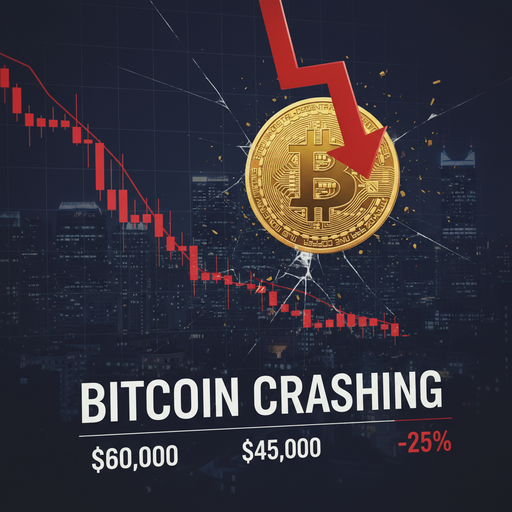
Market volatility continues as BTC breaks below the $74,000 key support level, with altcoins pulling back in sync. Are you buying the dip in batches or waiting for a better entry point?
💬 Today’s Discussion:
1️⃣ Bottom Signals: Where do you see BTC’s bottom — $70,000 or lower?
2️⃣ Market Drivers: Which recent macroeconomic news or rumors are influencing the market?
3️⃣ Dark Horses: Are there any resilient or outperforming tokens worth watching?
ShTap to Trade in Gate Square, Win up to 50 GT & Merch!
Click the trading widget in Gate Square content, complete a transaction, and take home 50 GT, Position Experience Vouchers, or exclusive Spring Festival merchandise.
Click the registration link to join
https://www.gate.com/questionnaire/7401
Enter Gate Square daily and click any trading pair or trading card within the content to complete a transaction. The top 10 users by trading volume will win GT, Gate merchandise boxes, position experience vouchers, and more.
The top prize: 50 GT.
![Spring Festival merchandise](https://exampl
The Fed's "quick hold" decision: When caution prevails
In the latest press conference, Fed Chair Powell announced a swift decision to halt the rate-cutting cycle after just three consecutive cuts, keeping the interest rate steady at 3.5%-3.75%. This decision reflects careful consideration by the Fed amid various economic pressures, as the U.S. economy still shows strong resilience and inflation has not yet reached the 2% target.
However, not all Fed members agree. Governors Stephen Miran and Christopher Waller voted against, supporting an additional 0.25% cut, indicating a more dovish stance within the central bank. Notably, the Fed removed language emphasizing risks of weakening labor, suggesting that the two risks—inflation and growth—are now more balanced, no longer exerting pressure for rapid monetary easing.
Why is the Fed “quickly” stopping the rate-cut cycle?
The U.S. economy continues to surprisingly withstand high interest rates, as Powell states. Although consumer sentiment surveys show signs of weakness, actual spending remains robust. Hiring pace has slowed somewhat, but layoffs remain low, indicating the labor market has not weakened.
The decision to pause further rate cuts reflects the Fed’s determination to ensure inflation genuinely returns to the target before easing policy. When questioned about the hawkish tone, Powell emphasized that the Fed will let data guide decision-making, with no specific timing for future cuts announced.
U.S. economy “still rapidly” growing despite high interest rates
Businesses are benefiting quickly from new AI applications, significantly boosting productivity. This productivity increase plays a crucial role in maintaining GDP growth, allowing the economy to continue expanding even in a high-rate environment. However, real estate remains the biggest weakness, as prolonged high interest rates have heavily impacted this market.
Inflation: The “quickly” challenge that’s hard to solve
Regarding tariffs, Powell believes most of the inflation impact has been reflected, with only slight increases. Without new tariffs, inflation is likely to gradually return to 2%. However, core PCE inflation is currently flat, with no clear progress. This situation makes it difficult for the Fed to pinpoint exactly when inflation will start to decline further.
When asked about the possibility of raising interest rates again if inflation rises, Powell affirmed that no one at the Fed currently considers rate hikes as the baseline scenario, reassuring markets that the peak interest rate has likely passed.
AI and the labor market: Impact in the “near future”
Powell offers a long-term view on AI, stating that while this technology may slow hiring in the short term, it will significantly boost productivity. History shows that technological disruptions cause temporary employment upheavals, but in the long run, they lead to higher productivity, greater output, and better wages. The Fed is closely monitoring trends of companies pausing hiring to assess AI’s real impact on the labor market.
Political balancing: Maintaining Fed independence
Powell reaffirmed the importance of the Fed’s independence amid pressures from President Trump and legal issues surrounding the leadership. He declined to comment on the Department of Justice investigation or his personal future after his term as Chair ends.
Overall, Powell is carefully balancing two pressures: maintaining a firm tone strong enough to avoid being seen as politically influenced, but not so hawkish as to weaken the economy. This explains why his initial remarks were quite firm, but his tone softened throughout the press conference.
Market impact: Signs from asset prices
The Fed’s decision to keep interest rates high was quickly reflected in asset prices:
This decline indicates that investors are rapidly adjusting their portfolios in response to the Fed maintaining high rates longer than expected.
Outlook: Cautious but not forever
The final message from the Fed is that the economy remains resilient enough to withstand high interest rates, inflation is not yet low enough for early cuts, but the long-term trend still points toward easing. The Fed plans to keep rates high for a period before gradually reducing them more quickly if economic signs weaken. This decision reflects a “cautious” Fed that looks ahead but remains prepared for future adjustments.