

Trade
Basic
Futures
Futures
Hundreds of contracts settled in USDT or BTC
TradFi
Gold
Trade global traditional assets with USDT in one place
Options
Hot
Trade European-style vanilla options
Unified Account
Maximize your capital efficiency
Demo Trading
Futures Kickoff
Get prepared for your futures trading
Futures Events
Participate in events to win generous rewards
Demo Trading
Use virtual funds to experience risk-free trading
Earn
Launch
CandyDrop
Collect candies to earn airdrops
Launchpool
Quick staking, earn potential new tokens
HODLer Airdrop
Hold GT and get massive airdrops for free
Launchpad
Be early to the next big token project
Alpha Points
Trade on-chain assets and enjoy airdrop rewards!
Futures Points
Earn futures points and claim airdrop rewards
Investment
Simple Earn
Earn interests with idle tokens
Auto-Invest
Auto-invest on a regular basis
Dual Investment
Buy low and sell high to take profits from price fluctuations
Soft Staking
Earn rewards with flexible staking
Crypto Loan
0 Fees
Pledge one crypto to borrow another
Lending Center
One-stop lending hub
VIP Wealth Hub
Customized wealth management empowers your assets growth
Private Wealth Management
Customized asset management to grow your digital assets
Quant Fund
Top asset management team helps you profit without hassle
Staking
Stake cryptos to earn in PoS products
Smart Leverage
New
No forced liquidation before maturity, worry-free leveraged gains
GUSD Minting
Use USDT/USDC to mint GUSD for treasury-level yields

More


Crypto Payments and the Future of Online Gambling
1h ago
TRM Labs Enters the Crypto Unicorn League
2h ago
Trending Topics
View More79.51K Popularity
6.33K Popularity
1.91K Popularity
2.91K Popularity
7.21K Popularity



Pin
Gate Square | 2/5 Today's Hot Topic: #BuyTheDipOrWaitNow?
🎁 [Community Perk] Post with the topic or #BTC, 10 lucky users * $100 position Voucher.
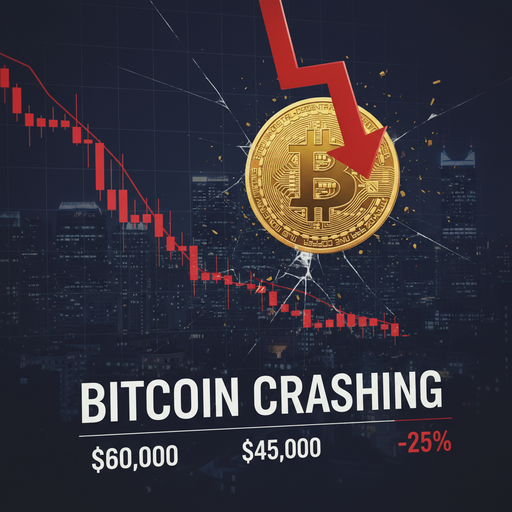
Market volatility continues as BTC breaks below the $74,000 key support level, with altcoins pulling back in sync. Are you buying the dip in batches or waiting for a better entry point?
💬 Today’s Discussion:
1️⃣ Bottom Signals: Where do you see BTC’s bottom — $70,000 or lower?
2️⃣ Market Drivers: Which recent macroeconomic news or rumors are influencing the market?
3️⃣ Dark Horses: Are there any resilient or outperforming tokens worth watching?
ShTap to Trade in Gate Square, Win up to 50 GT & Merch!
Click the trading widget in Gate Square content, complete a transaction, and take home 50 GT, Position Experience Vouchers, or exclusive Spring Festival merchandise.
Click the registration link to join
https://www.gate.com/questionnaire/7401
Enter Gate Square daily and click any trading pair or trading card within the content to complete a transaction. The top 10 users by trading volume will win GT, Gate merchandise boxes, position experience vouchers, and more.
The top prize: 50 GT.
![Spring Festival merchandise](https://exampl
Bank of America Discloses XRP Exposure Through ETF Investment
Bank of America has quietly revealed indirect exposure to XRP through an ETF. A recent filing with the U.S. SEC shows the bank holds shares in an XRP linked ETF. The disclosure appeared in a filing dated February 3. While the amount is small, the update still caught attention. It shows how large banks are testing crypto exposure in regulated ways. Instead of holding tokens directly, they use ETFs. For many institutions, this feels safer and easier.
What the SEC Filing Shows
According to the filing, Bank of America holds around 13,000 shares of the Volatility Shares XRP ETF. The position is valued at roughly $224,640. This gives the bank indirect exposure to XRP price movements. It doesn’t mean Bank of America is trading XRP itself. Instead, the exposure comes through a regulated investment product.
The filing was submitted to the U.S. Securities and Exchange Commission. Which requires large institutions to disclose certain holdings. These filings often reveal small positions that are not announced publicly. In this case, the position is minor compared to the bank’s total assets. Still, it confirms participation, even if limited.
Why Banks Prefer ETFs Over Direct Crypto
Big banks move slowly. They also avoid unnecessary risk. Directly holding crypto brings custody, compliance and accounting challenges. ETFs reduce those problems. They fit into existing systems. They trade like stocks and they follow clear rules. For XRP, this matters. Many institutions still hesitate due to past regulatory uncertainty. ETFs give them a way to gain exposure without touching wallets or private keys
As more XRP-related ETFs appear in the U.S. market, this path becomes more common. This approach also mirrors what banks already do with Bitcoin and Ethereum. First comes small exposure. Then comes monitoring. Larger moves may follow later or not at all. Either way, ETFs act as a testing ground.
XRP ETF Activity Adds Context
The disclosure comes during a period of active XRP ETF trading. The U.S. listed XRP ETFs reportedly saw net inflows of around $19 million. That suggests steady interest from investors, even while prices move sideways. Community reactions online were mixed. Some users saw the filing as a big signal. Others pointed out the position size is tiny for a bank of this scale. Both views are fair. The key point is not the dollar value. It is the direction. Banks are participating, even if carefully.
What This Means Going Forward
This doesn’t mean Bank of America is bullish on XRP. It also doesn’t mean mass adoption is here. But it shows comfort with XRP linked products in regulated markets. That alone is notable. For now, this looks like another small step. In crypto, many shifts start this way.