 :
:











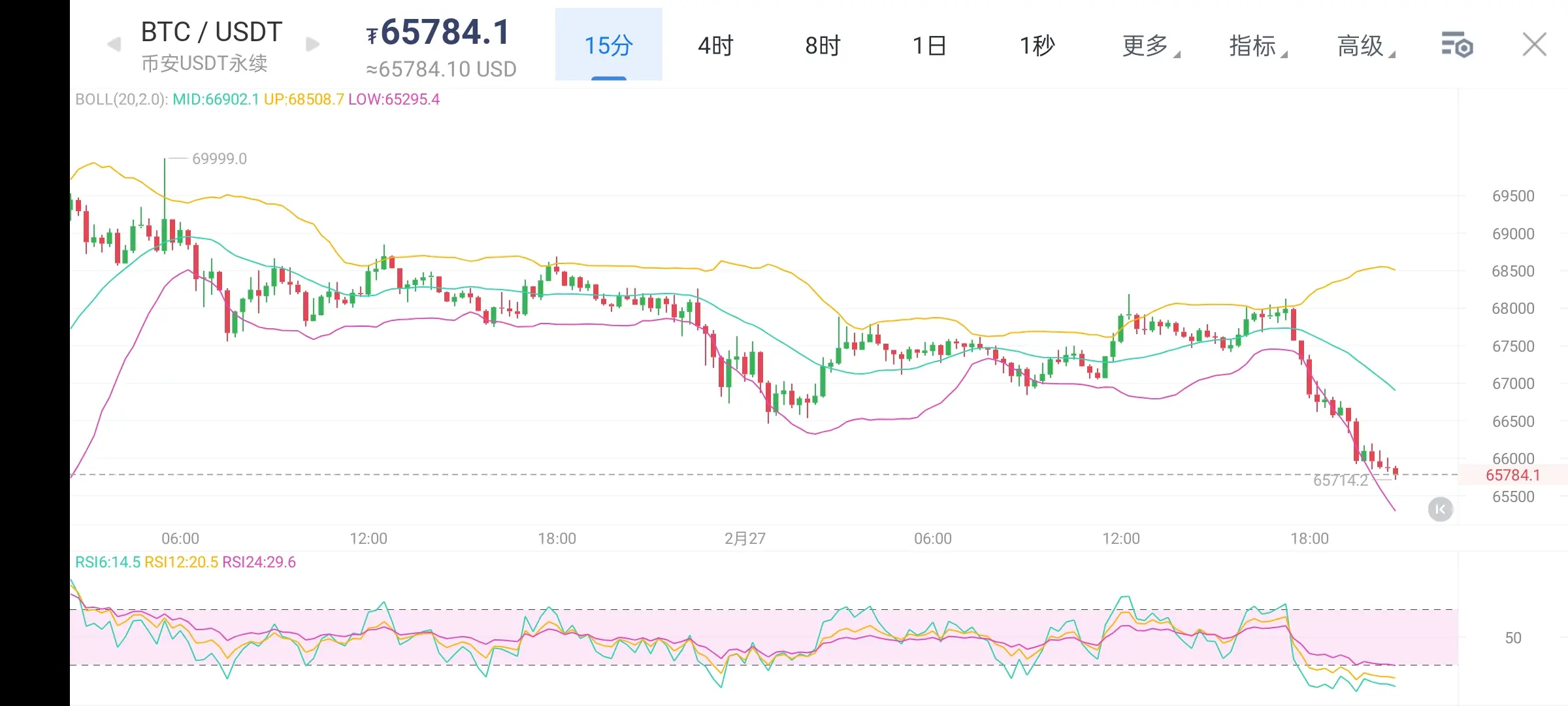
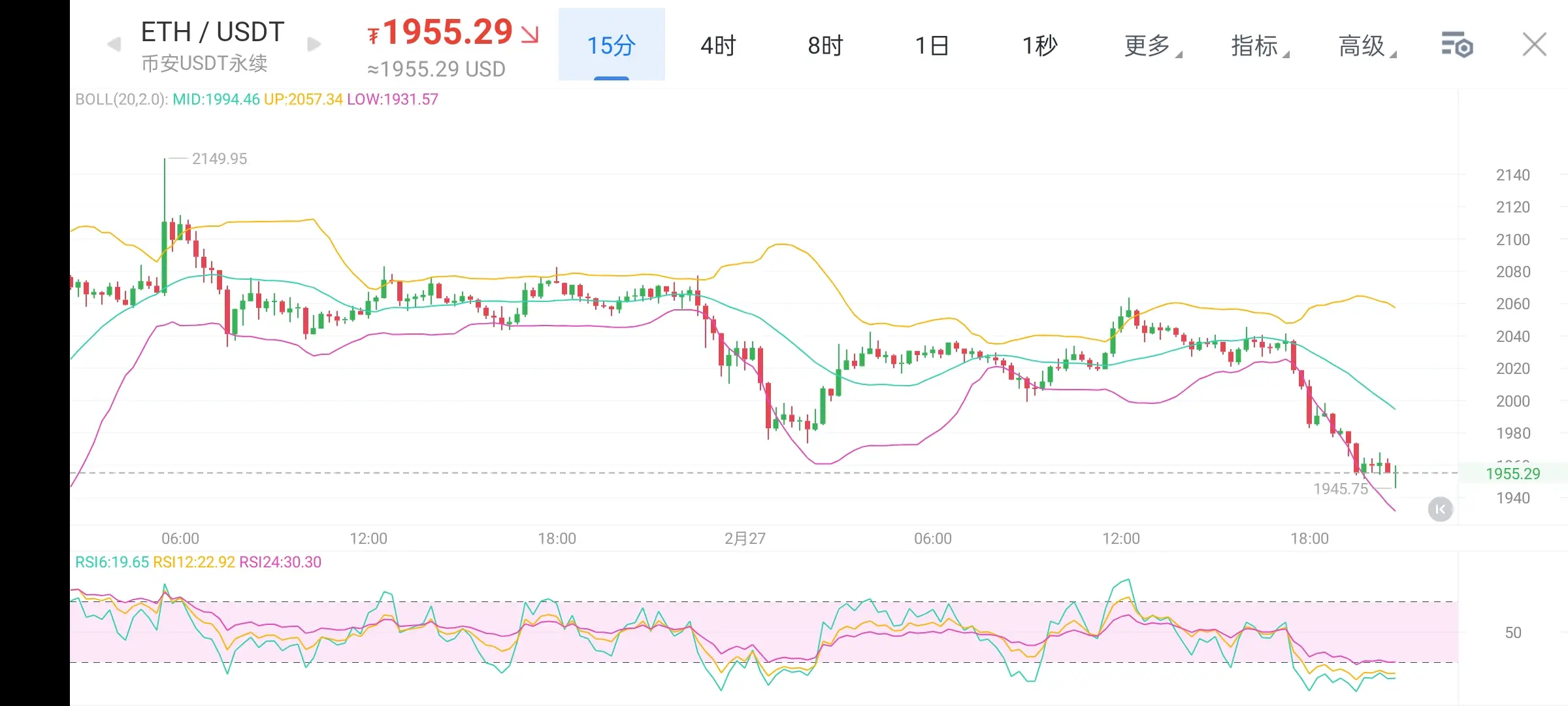
After Jane Street was sued, the long-standing "10 o'clock dump" phenomenon appears to have been broken, raising the question: has market manipulation resistance weakened? Can Bitcoin return to $70,000?
1. Is market manipulation resistance weakening?
In the short term, resistance may be easing: following the lawsuit against Jane Street, the "10 o'clock dump" phenomenon disappeared temporarily, and Bitcoin's price rebounded significantly, indicating that the selling pressure previously associated with Jane Street has been temporarily alleviated. This could be due to regulatory pressure prompting adjustments in their trading strategies, or market concerns about their manipulation behaviors being temporarily eased, leading to reduced short-term resistance.
In the long term, resistance still exists with uncertainties: although the "10 o'clock dump" has temporarily vanished, other potential manipulation risks and structural issues remain in the crypto market. For example, other market makers or institutions may still exhibit similar behaviors, or issues like insufficient liquidity, the linkage between derivatives and spot markets, and other factors could still impact prices. Additionally, the overall regulatory framework for the crypto market is still being developed, and future policy changes may introduce new uncertainties.
2. Can Bitcoin return to $70,000?
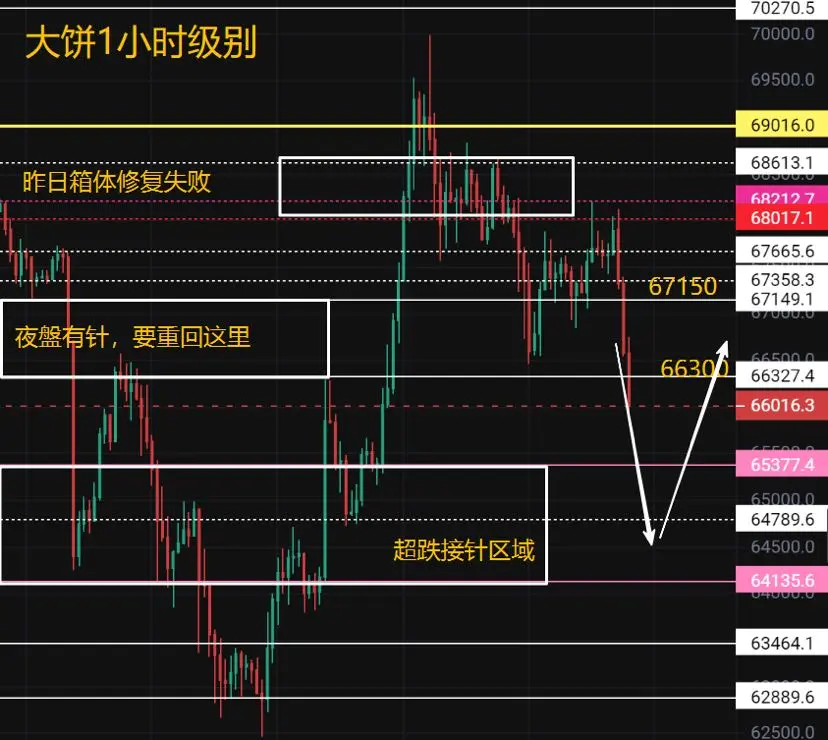
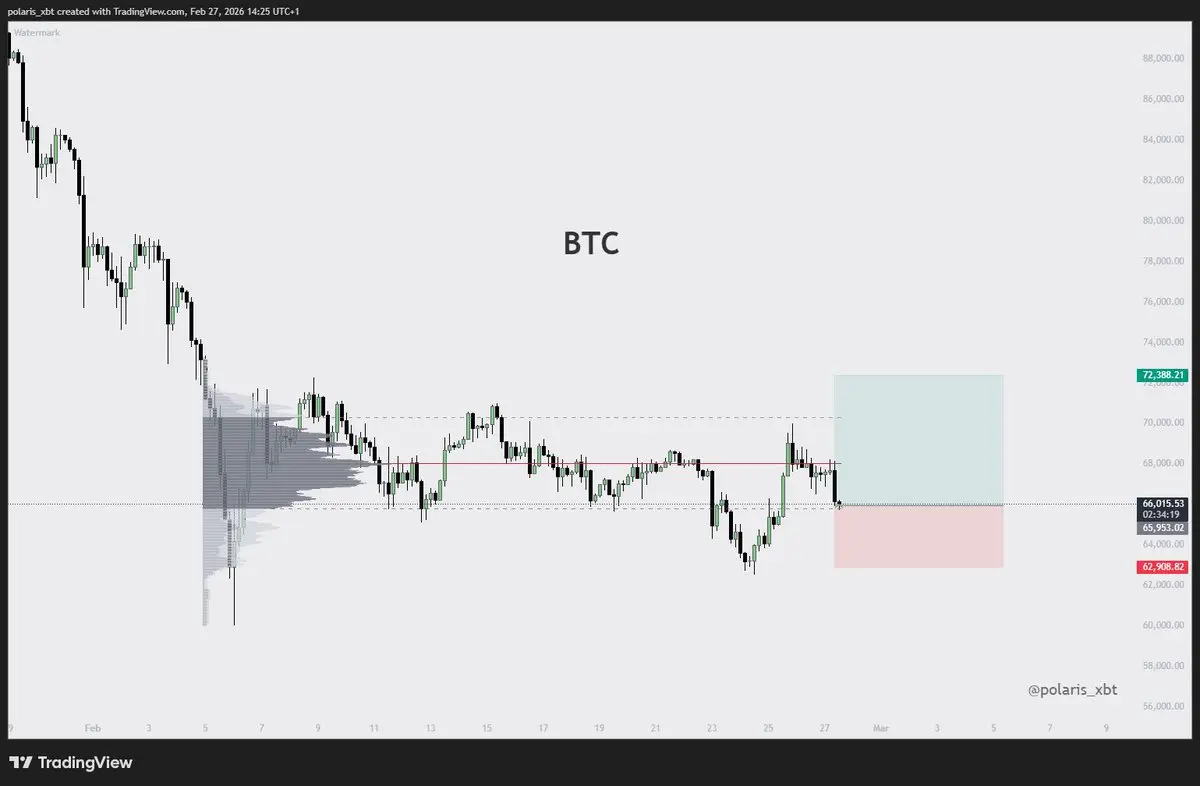
Short-term, it may break through $70,000: recent market performance shows that after the lawsuit against Jane Street, Bitcoin's price rebounded rapidly, surpassing multiple key resistance levels, and a large number of short positions were liquidated, significantly improving market sentiment. If this rebound trend continues and market liquidity remains sufficient, Bitcoin could test the $70,000 level again in the near term.
Long-term, whether it can hold steady at $70,000 depends on multiple factors:
Macro factors: Global economic conditions, monetary policy, and interest rates greatly influence Bitcoin's price. If the global economy recovers strongly and monetary policy remains loose, these could support a price increase; conversely, economic recession or tightening policies could suppress Bitcoin's price.
Market supply and demand: The supply-demand relationship is crucial in determining the price. Continued accumulation by institutional investors or sustained inflows into spot ETFs will increase demand; on the other hand, miner sell-offs or large holders reducing their holdings could increase supply pressure.
Regulatory environment: Uncertainty in regulation remains a significant risk for Bitcoin. If regulators clarify and standardize their stance on the crypto market, it could boost market confidence and stabilize prices; if regulations tighten further, it could trigger panic selling and lead to price declines.
1. Is market manipulation resistance weakening?
In the short term, resistance may be easing: following the lawsuit against Jane Street, the "10 o'clock dump" phenomenon disappeared temporarily, and Bitcoin's price rebounded significantly, indicating that the selling pressure previously associated with Jane Street has been temporarily alleviated. This could be due to regulatory pressure prompting adjustments in their trading strategies, or market concerns about their manipulation behaviors being temporarily eased, leading to reduced short-term resistance.
In the long term, resistance still exists with uncertainties: although the "10 o'clock dump" has temporarily vanished, other potential manipulation risks and structural issues remain in the crypto market. For example, other market makers or institutions may still exhibit similar behaviors, or issues like insufficient liquidity, the linkage between derivatives and spot markets, and other factors could still impact prices. Additionally, the overall regulatory framework for the crypto market is still being developed, and future policy changes may introduce new uncertainties.
2. Can Bitcoin return to $70,000?
Short-term, it may break through $70,000: recent market performance shows that after the lawsuit against Jane Street, Bitcoin's price rebounded rapidly, surpassing multiple key resistance levels, and a large number of short positions were liquidated, significantly improving market sentiment. If this rebound trend continues and market liquidity remains sufficient, Bitcoin could test the $70,000 level again in the near term.
Long-term, whether it can hold steady at $70,000 depends on multiple factors:
Macro factors: Global economic conditions, monetary policy, and interest rates greatly influence Bitcoin's price. If the global economy recovers strongly and monetary policy remains loose, these could support a price increase; conversely, economic recession or tightening policies could suppress Bitcoin's price.
Market supply and demand: The supply-demand relationship is crucial in determining the price. Continued accumulation by institutional investors or sustained inflows into spot ETFs will increase demand; on the other hand, miner sell-offs or large holders reducing their holdings could increase supply pressure.
Regulatory environment: Uncertainty in regulation remains a significant risk for Bitcoin. If regulators clarify and standardize their stance on the crypto market, it could boost market confidence and stabilize prices; if regulations tighten further, it could trigger panic selling and lead to price declines.