


Futures
Access hundreds of perpetual contracts
TradFi
Gold
One platform for global traditional assets
Options
Hot
Trade European-style vanilla options
Unified Account
Maximize your capital efficiency
Demo Trading
Futures Kickoff
Get prepared for your futures trading
Futures Events
Join events to earn rewards
Demo Trading
Use virtual funds to experience risk-free trading
Launch
CandyDrop
Collect candies to earn airdrops
Launchpool
Quick staking, earn potential new tokens
HODLer Airdrop
Hold GT and get massive airdrops for free
Launchpad
Be early to the next big token project
Alpha Points
Trade on-chain assets and earn airdrops
Futures Points
Earn futures points and claim airdrop rewards



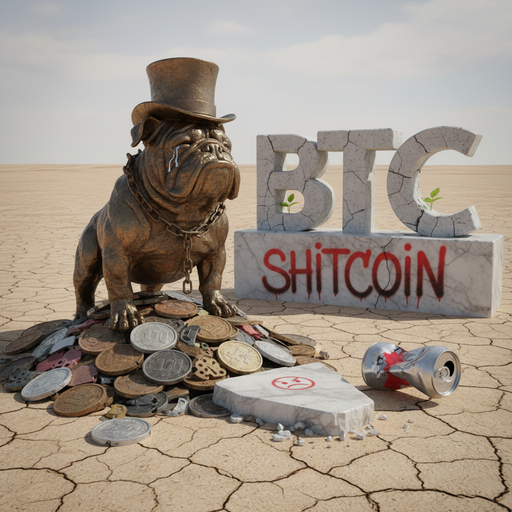



Crypto Burning Explained: Why Projects Intentionally Remove Tokens from Circulation
When you hear about burning crypto, you might wonder what’s actually happening under the hood. The concept sounds counterintuitive at first — why would a blockchain project deliberately destroy tokens it created? The answer lies in basic economic principles combined with strategic incentives. Understanding what it means to burn crypto is essential for anyone navigating the cryptocurrency market, whether you’re evaluating projects or making investment decisions.
Understanding What It Means to Burn Cryptocurrency
Crypto burning is the process of permanently removing tokens from circulation by sending them to an address that no one can access. Think of it as the digital equivalent of how traditional companies buy back their own shares — except crypto projects achieve this through a one-way transaction that cannot be reversed.
When tokens are burned, they’re gone forever. The transaction becomes part of the blockchain’s permanent record, visible to everyone, but the tokens themselves cannot be recovered or used again. This differs from tokens that go missing through human error, like when early Bitcoin holders lost their private keys and effectively locked away their assets indefinitely.
The Strategic Reasons Behind Token Burning
Blockchain projects employ token burning for several interconnected purposes, each addressing different aspects of cryptocurrency economics and market dynamics.
Creating Scarcity to Drive Value: The most straightforward reason for burning tokens is to reduce supply deliberately. When fewer tokens exist in circulation, scarcity increases demand for the remaining tokens, following the fundamental economic principle of supply and demand. This mechanism can support price appreciation, making it attractive to projects seeking to reward existing token holders.
Controlling Inflation and Maintaining Stability: Unchecked inflation erodes token value over time. By systematically burning tokens — especially those generated through transaction fees or treasury accumulation — projects can counteract inflationary pressure and preserve long-term purchasing power. This is particularly important for tokens intended to serve as stores of value or transaction mediums.
Revitalizing Projects and Building Momentum: Sometimes projects experiencing stalled growth or declining investor interest use strategic burns as a catalyst. A well-executed burn can capture market attention, generate trading volume, and create positive sentiment. This renewed focus can help projects attract new participants and restart growth trajectories.
Promoting Decentralization and Governance: When projects accumulate tokens through fees, rewards, or other mechanisms, burning them prevents the development team from wielding excessive control. By eliminating tokens rather than hoarding them, projects reinforce their commitment to decentralization and limit potential manipulation by any single entity.
Real-World Burn Events: Serum and Shiba Inu Case Studies
Examining actual burn events reveals how projects implement this strategy in practice.
In 2021, Serum, a decentralized exchange built on the Solana blockchain, executed a major token burn initiative. In May 2021 alone, the project burned 84,538 SRM tokens worth approximately $1.03 million while distributing 21,134 SRM ($257,000) to stakeholders. This burn followed earlier destruction events in September 2020 ($400,000 worth of SRM) and April 2021 ($600,000 worth). By systematically removing tokens while maintaining network participation through staking rewards, Serum demonstrated a commitment to long-term token scarcity and sustainability.
The Shiba Inu community took a more aggressive approach in May 2023, burning 3.03 billion SHIB tokens in a single day. This dramatic reduction in circulating supply aimed to create scarcity and establish conditions for potential price appreciation. Such concentrated burn events highlight how communities can coordinate large-scale token elimination to reshape market dynamics.
The Mechanics: How Crypto Burning Actually Works
From a technical standpoint, burning relies on blockchain automation. Projects deploy smart contracts that execute burning instructions without requiring external intervention or ongoing management.
When a project initiates a burn, the smart contract verifies that sufficient tokens exist in the designated wallet, then transfers them to an address that lacks a private key — meaning no one possesses the capability to retrieve them. The transaction is recorded on the blockchain permanently, creating an immutable audit trail. This technical irreversibility is crucial; once tokens are sent to an inaccessible address, recovery is mathematically impossible. The entire process is transparent, with every participant able to verify that tokens have been removed from the active supply.
Market Impact: How Token Burns Influence Price and Investor Behavior
Token burning produces measurable effects across multiple dimensions of cryptocurrency markets and investor psychology.
Building Trust and Demonstrating Commitment: When projects burn tokens, they signal serious intent to manage token economics responsibly. Investors interpret strategic burns as evidence that project leadership is thinking long-term and prioritizing holder value. This demonstrated commitment attracts supporters who believe in the project’s vision and sustainability.
Enhancing Market Perception and Trading Activity: Burn announcements frequently generate market attention, attracting traders and increasing trading volume. The surge in activity can improve liquidity, making it easier for holders to enter and exit positions. Enhanced trading activity and positive sentiment can help struggling projects regain competitive positioning within their market segment.
Creating Opportunities for Ecosystem Growth: As token value improves and market perception strengthens, other projects take notice. Partnerships, integrations, and collaborations become more feasible, opening pathways for ecosystem expansion and increased utility.
Incentivizing Long-Term Participation: Higher token values resulting from reduced supply encourage investors to maintain their positions rather than sell. This behavior fosters ecosystem stability by building a committed investor base. Token holders are more likely to engage in governance activities, community participation, and ecosystem development when their holdings appreciate.
Establishing Industry Best Practices: As successful projects implement burning strategies, others recognize the benefits and adopt similar approaches. This widespread adoption contributes to more sophisticated cryptocurrency market infrastructure and more sustainable tokenomics industry-wide.
Weighing the Trade-offs: Benefits and Drawbacks of Burning Tokens
Like any market mechanism, token burning presents both advantages and challenges that project teams must carefully evaluate.
The Positive Case for Burning: Token burns create genuine scarcity, potentially supporting price appreciation for remaining tokens. They demonstrate project commitment to sustainable economics and investor value preservation. Burns can energize communities, creating positive momentum that attracts new participants. For loyal holders, burns represent a tangible benefit, as their proportional ownership increases as total supply decreases.
The Risks and Limitations: Aggressive burning strategies can constrain future fundraising options, as projects deplete their token reserves. Excessive or poorly-timed burns might be perceived as artificial price manipulation rather than legitimate economic management. Frequent burning can introduce volatility and create uncertainty about project direction, potentially unsettling investors seeking stability. Additionally, burning tokens that could have been used for ecosystem development, partnerships, or incentives represents an opportunity cost.
Final Considerations for Investors
Understanding what it means to burn crypto requires recognizing both its legitimate economic functions and its limitations. Burning is neither universally beneficial nor inherently problematic — its value depends on implementation context, market conditions, and project fundamentals.
Successful burning programs align with broader project strategy, maintain consistent communication with stakeholders, and avoid relying on burns as a substitute for genuine product development or ecosystem growth. As you evaluate cryptocurrency projects, consider whether token burns represent thoughtful economic management or potential short-term thinking disconnected from underlying value creation.
Token burning will likely remain a key tool in blockchain project management, particularly as the industry matures and emphasis shifts toward sustainable economics and long-term viability.