


Futures
Access hundreds of perpetual contracts
TradFi
Gold
One platform for global traditional assets
Options
Hot
Trade European-style vanilla options
Unified Account
Maximize your capital efficiency
Demo Trading
Introduction to Futures Trading
Learn the basics of futures trading
Futures Events
Join events to earn rewards
Demo Trading
Use virtual funds to practice risk-free trading
Launch
CandyDrop
Collect candies to earn airdrops
Launchpool
Quick staking, earn potential new tokens
HODLer Airdrop
Hold GT and get massive airdrops for free
Launchpad
Be early to the next big token project
Alpha Points
Trade on-chain assets and earn airdrops
Futures Points
Earn futures points and claim airdrop rewards


More


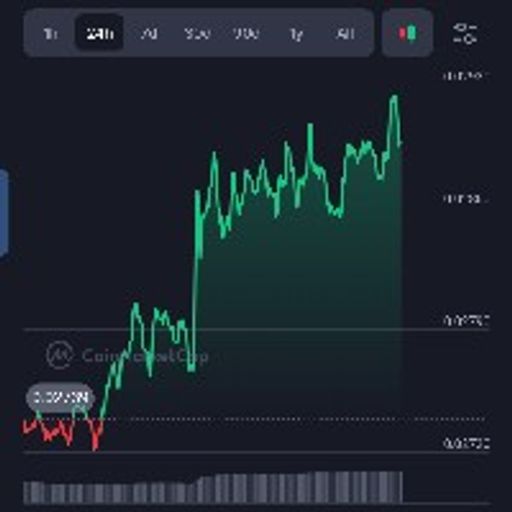



In the past 24 hours, over 510 BTC have net flowed out of exchanges. This number may seem insignificant, but what does it represent?
A very practical question: when your assets are stored in an exchange account, do you truly own them? Many choose to withdraw their coins to their own wallets, for a simple reason — holding the private keys equals owning the assets.
This wave of withdrawal reflects a consensus among market participants: don't put all your chips in one place. Some mention cold wallets, others opt for decentralized exchanges, and some participate in various liquidity mining activities to diversify risk. These are not complicated strategies; they are basic asset allocation principles.
From another perspective, although the outflow of 510 BTC is a small proportion, it indicates a trend — more and more active users are realizing the importance of self-custody. Especially during periods of increased market volatility, diversifying assets across different baskets can indeed reduce systemic risk.
Of course, this doesn't mean exchanges have issues. Exchanges provide liquidity and convenience, but if you hold a certain coin long-term, keeping the private keys in your own hands will give you peace of mind. This is a fundamental logic in the crypto world — self-custody means full autonomy, at the cost of taking responsibility for security.
In simple terms: the withdrawal data reflects an increased risk awareness among market participants. Understanding diversification and self-management are the foundational skills for long-term survival in the crypto market.
But to be honest, managing exchange-listed coins is really exhausting. One FTX is enough to learn from.
Holding private keys definitely improves sleep quality. Self-management is troublesome, but it’s worth the psychological peace of mind.
---
Not your keys, not your coins—this phrase is really not just talk.
---
What sounds good is self-custody; what’s less nice is being afraid of exchange跑路哈哈.
---
Diversifying risk is indeed the right move, but be careful not to lose your private keys when managing your wallet.
---
Holding coins long-term should definitely be promoted; it can improve sleep quality by 100%.
---
The question is, how many people actually use cold wallets and don’t know about it?
---
Behind this wave of withdrawals is one sentence: trust is gradually breaking down.
---
Autonomy and security responsibility are a double-edged sword; most people haven't really thought it through.