


Futures
Access hundreds of perpetual contracts
TradFi
Gold
One platform for global traditional assets
Options
Hot
Trade European-style vanilla options
Unified Account
Maximize your capital efficiency
Demo Trading
Futures Kickoff
Get prepared for your futures trading
Futures Events
Join events to earn rewards
Demo Trading
Use virtual funds to practice risk-free trading
Launch
CandyDrop
Collect candies to earn airdrops
Launchpool
Quick staking, earn potential new tokens
HODLer Airdrop
Hold GT and get massive airdrops for free
Launchpad
Be early to the next big token project
Alpha Points
Trade on-chain assets and earn airdrops
Futures Points
Earn futures points and claim airdrop rewards


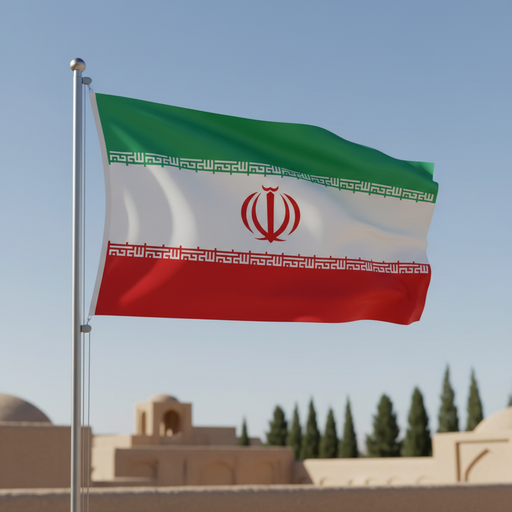



Germany Pursues Energy Diversification Strategy Through Middle East Engagement
Germany’s leadership is prioritizing a strategic realignment of its energy portfolio, seeking to diversify away from U.S. LNG supplies and strengthen ties with Middle Eastern energy producers. Chancellor Olaf Scholz has undertaken high-level diplomatic missions to the region, meeting with Saudi Arabia’s Crown Prince Mohammed bin Salman, alongside business delegations, to explore alternative energy arrangements. These visits extend to Qatar and the United Arab Emirates, underscoring Berlin’s commitment to broadening its energy source base.
Strategic Shift Away From U.S. LNG
The impetus behind this energy diversification strategy stems from growing concerns about overdependence on American liquefied natural gas. Energy experts at Berlin’s Helmholtz Research Center have raised alarms about the vulnerabilities inherent in concentrated energy procurement from a single external supplier. They warn that such reliance exposes Europe’s largest economy to geopolitical pressures and potential supply manipulation. The political climate in Washington has amplified these concerns, prompting Berlin to recalibrate its energy security approach. Policymakers recognize that a fragmented supply chain across multiple regions—including Norway’s pipeline infrastructure and LNG sources from Canada and Australia—presents a more resilient framework for long-term energy stability.
Expert Perspectives on Alternative Energy Sources
The debate among Germany’s energy establishment reveals nuanced approaches to solving the dependency challenge. While some experts advocate for immediate alternatives through increased imports from stable producers like Norway, Canada, and Australia, others push for more comprehensive solutions. Claudia Kemfert, a prominent economist at the German Institute for Economic Research, argues that Germany faces not merely a supplier question but a fundamental reckoning with fossil fuel reliance itself. Rather than shifting dependency from one source to another, she contends that Germany should pursue deeper structural reforms that reduce overall consumption of fossil fuels while simultaneously diversifying remaining energy needs across multiple suppliers and renewable sources.
The Broader Energy Independence Challenge
Germany’s pursuit of energy diversification reflects both immediate security concerns and long-term strategic planning. The convergence of geopolitical volatility and supply chain consolidation has become a defining feature of modern energy diplomacy. While Middle Eastern partnerships offer substantial capacity and competitive pricing, the intellectual scaffolding supporting German policy increasingly acknowledges that true energy security demands transformation rather than mere supplier rotation. The coming years will reveal whether Berlin can successfully implement this multifaceted approach to energy independence.