


Futures
Access hundreds of perpetual contracts
TradFi
Gold
One platform for global traditional assets
Options
Hot
Trade European-style vanilla options
Unified Account
Maximize your capital efficiency
Demo Trading
Introduction to Futures Trading
Learn the basics of futures trading
Futures Events
Join events to earn rewards
Demo Trading
Use virtual funds to practice risk-free trading
Launch
CandyDrop
Collect candies to earn airdrops
Launchpool
Quick staking, earn potential new tokens
HODLer Airdrop
Hold GT and get massive airdrops for free
Launchpad
Be early to the next big token project
Alpha Points
Trade on-chain assets and earn airdrops
Futures Points
Earn futures points and claim airdrop rewards


More



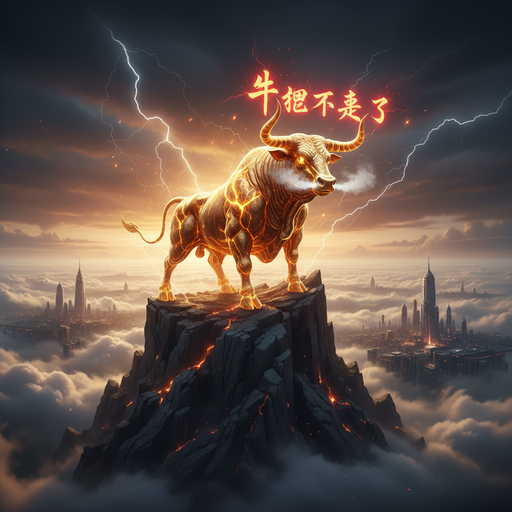


The investment landscape in the "tug-of-war" of gold prices: Nearly 60% of respondents are "new players," and nearly 70% do not buy gold jewelry
Since the beginning of 2026, gold prices have repeatedly played out a “tug-of-war.” On January 30, London spot gold nearly hit the historic peak of $5,600 per ounce, only to plummet back to around $4,400 per ounce within two trading days. After more than a week of bullish and bearish tug-of-war, gold prices stabilized above $5,000 per ounce, but a sharp plunge in the early hours of February 13 once again shattered the brief calm.
This pattern of “big gains one day, sharp drops the next” is becoming the new normal in the gold market. A recent investor survey conducted by Shanghai Securities Journal depicts current investor entry points, position structures, investment motivations, trading strategies, and market expectations.
The online survey sample shows that gold is shifting from a marginal safe-haven asset to a core allocation asset. 38.8% of respondents hold more than 10% of their investable assets in gold, and 57.17% are “new players” who have gradually built positions since last year. Amid extreme volatility, 48.76% of respondents remain bullish on short-term gold prices, and 44.17% hold gold long-term (over one year). However, nearly 70% of respondents explicitly stated they would not buy gold jewelry.
Nearly 10% of respondents have more than half of their “wealth” betting on gold
Regarding the timing of gold accumulation, over half of the respondents are “new players” who entered since 2025. Among them, 18.81% started buying when gold prices rose from about 600 yuan per gram in early 2025; 19.55% entered recently after gold prices broke above 1,000 yuan per gram; and 18.81% bought when gold was above 1,100 yuan per gram. These three groups combined account for 57.17%.
Respondents who entered before 2024 total 30.7%. Among them, 21.29% had already built positions in early 2023 or earlier, when domestic gold prices were less than 400 yuan per gram. An additional 12.13% have never invested in gold, only paying attention.
This distribution of entry points reveals a key structural feature: about 6 out of 10 respondents completed their positions during the recent 13-month bull run, often at higher average costs, with roughly 4 of them entering after gold broke the 1,000 yuan per gram mark.
In the multiple-choice reasons for investing, inflation hedging or value preservation leads with 26.58%, followed by hedging needs at 23.05%. Together, these two reasons constitute nearly half (49.63%) of the core drivers for gold investment. Diversification needs account for 15.27%, following the trend of global central bank gold purchases at 14.83%. Short-term profit-taking accounts for 8.52%, and technical/trend trading for 6.46%.
A small 2.94% of respondents admitted, “I have no particular idea; I follow others’ buying.” Although a low proportion, in extreme volatility, investors lacking independent judgment can become sources of market panic.
More indicative of market signals is the profound change in position structure—gold seems to be shifting from a “marginal asset” to a “core allocation.” Respondents holding more than 10% of their investable assets in gold total 38.8%, with 9.95% betting more than half of their assets on gold. This is rare in gold investment history, traditionally viewed as a “safe asset,” indicating gold may have evolved into a “risk asset” in investors’ portfolios.
Contrasting high positions is a lack of strategic discipline. Long-term holders (over 1 year) account for 44.17%; medium-term (1 to 12 months) for 18.86%; short-term (within 1 month) for 13.65%. Meanwhile, 14.39% of respondents said, “No strategy, just follow my mood,” even exceeding short-term traders, meaning about one in seven investors lacks clear trading discipline.
Regarding current investment sentiment, 42.82% of respondents are “cautiously optimistic but worried about high-level risks,” 21.29% say they have “little emotional fluctuation and follow their plan,” showing most investors remain relatively rational amid turbulence. Additionally, 18.81% are “excited and optimistic about the market,” but a combined 17.08% are in negative moods—“buying at high levels and feeling confused,” “anxious and considering taking profits,” or “regretting buying too little.”
Gold ETFs become mainstream; nearly 70% of respondents refuse to buy jewelry
The most polarized result in this survey appears in the willingness to buy gold jewelry—highlighting a historic divergence between gold’s investment and consumption attributes.
Regarding whether they would consider buying gold jewelry at current prices, 54.95% of respondents said “no, gold prices, brand premiums, and craftsmanship costs are too high and not worth it,” and 12.87% said “never consider gold jewelry,” totaling 67.82%. Only 16.09% said “yes, both for consumption and as an alternative investment,” and 13.37% for “necessary expenses (such as wedding needs).”
With gold jewelry prices hitting historic highs, consumer sensitivity to brand premiums and craftsmanship costs has surged. According to the World Gold Council, in Q4 2025, domestic gold prices increased by 12%, further weakening consumer willingness, with domestic gold jewelry consumption falling to 82 tons, down 23% year-on-year.
In contrast, gold investment demand remains strong. The World Gold Council reports that in 2025, Chinese investors purchased a total of 432 tons of gold bars and coins, a 28% increase year-on-year, setting a new annual record.
Mr. Xu, who prefers physical gold investments, told Shanghai Securities Journal that gold is a tangible hedge and risk mitigation tool. He has been regularly buying gold bars for over ten years as a long-term family wealth reserve. “Despite market fluctuations, long-term value investing in gold remains a wise choice.”
What are their preferred gold investment methods? Gold ETFs/gold funds lead with 32.5%; paper gold/saving gold accounts for 20.07%; physical gold for 19.01%; gold stocks/mining company shares for 16.52%; gold jewelry (for investment purposes) for 5.68%; gold futures for 1.95%; structured deposits linked to gold for only 0.18%.
Gold ETFs, with their low threshold, high liquidity, and no storage costs, are particularly attractive to young investors. The World Gold Council also noted that in November 2025, the VAT reform for gold in China was implemented, and gold bars, saving gold, and gold ETFs sold through the Shanghai Gold Exchange channels were unaffected, with sales of saving gold and ETFs seeing significant boosts.
In contrast, futures and structured deposits received very low votes, reflecting the high barriers of derivatives and complex structured products, and also indicating that some bank gold structured deposits are difficult to purchase due to quota shortages.
Bullish consensus remains
In response to recent gold “tug-of-war” movements, 37.13% of respondents said “hold positions and observe changes”; 26.73% chose “continue adding positions, optimistic about the future”; 12.13% said “partial profit-taking”; 11.39% chose “wait and see, no entry for now”; 8.91% said “significantly reduce or liquidate”; and 3.71% plan to “reverse and prepare to buy in.”
The proportion of “continue adding” exceeds that of “profit-taking or liquidation,” indicating that even after sharp declines, bullish forces still dominate. However, only 3.71% are “ready to buy,” showing cautious willingness among outside funds.
Among respondents, bullish consensus persists. In the short term, 48.76% remain firmly bullish; over the next six months, 33.91% expect prices to continue rising, 27.97% believe in a rebound after short-term correction, and only 11.14% think a top has been reached.
However, expectations for gold are divided, corresponding to recent market swings. In the short term, 40.1% are watching from the sidelines, indicating some momentum to chase highs has waned; for the next six months, opinions are evenly split among “continue rising,” “rebound after correction,” and “high-level consolidation.”
Regarding the recent sharp correction in gold prices, Qu Rui, Senior Vice President of Research and Development at Orient Securities, analyzed that the sharp decline was driven by a significant drop in the US stock market, especially tech stocks, which cooled market sentiment. Some investors were forced to liquidate to meet liquidity needs, causing gold prices to collapse. Additionally, US non-farm payroll data for January exceeded expectations, and the unemployment rate fell, reducing expectations for Fed rate cuts and exerting downward pressure on gold.
Liu Yu, Chief Economist at Huaxi Securities, noted that before the Spring Festival, funds flowed out of previously profitable precious metals sectors, reflecting a significant decline in participation willingness amid approaching holidays and increased macro uncertainties. Going forward, the long-term upward trend in gold prices remains intact, but volatility is expected to increase. Factors such as the uncertainty over Fed chair nominations, policy directions after Kevin W. W. W. W. W. W. W. W. W. W. W. W. W. W. W. W. W. W. W. W. W. W. W. W. W. W. W. W. W. W. W. W. W. W. W. W. W. W. W. W. W. W. W. W. W. W. W. W. W. W. W. W. W. W. W. W. W. W. W. W. W. W. W. W. W. W. W. W. W. W. W. W. W. W. W. W. W. W. W. W. W. W. W. W. W. W. W. W. W. W. W. W. W. W. W. W. W. W. W. W. W. W. W. W. W. W. W. W. W. W. W. W. W. W. W. W. W. W. W. W. W. W. W. W. W. W. W. W. W. W. W. W. W. W. W. W. W. W. W. W. W. W. W. W. W. W. W. W. W. W. W. W. W. W. W. W. W. W. W. W. W. W. W. W. W. W. W. W. W. W. W. W. W. W. W. W. W. W. W. W. W. W. W. W. W. W. W. W. W. W. W. W. W. W. W. W. W. W. W. W. W. W. W. W. W. W. W. W. W. W. W. W. W. W. W. W. W. W. W. W. W. W. W. W. W. W. W. W. W. W. W. W. W. W. W. W. W. W. W. W. W. W. W. W. W. W. W. W. W. W. W. W. W. W. W. W. W. W. W. W. W. W. W. W. W. W. W. W. W. W. W. W. W. W. W. W. W. W. W. W. W. W. W. W. W. W. W. W. W. W. W. W. W. W. W. W. W. W. W. W. W. W. W. W. W. W. W. W. W. W. W. W. W. W. W. W. W. W. W. W. W. W. W. W. W. W. W. W. W. W. W. W. W. W. W. W. W. W. W. W. W. W. W. W. W. W. W. W. W. W. W. W. W. W. W. W. W. W. W. W. W. W. W. W. W. W. W. W. W. W. W. W. W. W. W. W. W. W. W. W. W. W. W. W. W. W. W. W. W. W. W. W. W. W. W. W. W. W. W. W. W. W. W. W. W. W. W. W. W. W. W. W. W. W. W. W. W. W. W. W. W. W. W. W. W. W. W. W. W. W. W. W. W. W. W. W. W. W. W. W. W. W. W. W. W. W. W. W. W. W. W. W. W. W. W. W. W. W. W. W. W. W. W. W. W. W. W. W. W. W. W. W. W. W. W. W. W. W. W. W. W. W. W. W. W. W. W. W. W. W. W. W. W. W. W. W. W. W. W. W. W. W. W. W. W. W. W. W. W. W. W. W. W. W. W. W. W. W. W. W. W. W. W. W. W. W. W. W. W. W. W. W. W. W. W. W. W. W. W. W. W. W. W. W. W. W. W. W. W. W. W. W. W. W. W. W. W. W. W. W. W. W. W. W. W. W. W. W. W. W. W. W. W. W. W. W. W. W. W. W. W. W. W. W. W. W. W. W. W. W. W. W. W. W. W. W. W. W. W. W. W. W. W. W. W. W. W. W. W. W. W. W. W. W. W. W. W. W. W. W. W. W. W. W. W. W. W. W. W. W. W. W. W. W. W. W. W. W. W. W. W. W. W. W. W. W. W. W. W. W. W. W. W. W. W. W. W. W. W. W. W. W. W. W. W. W. W. W. W. W. W. W. W. W. W. W. W. W. W. W. W. W. W. W. W. W. W. W. W. W. W. W. W. W. W. W. W. W. W. W. W. W. W. W. W. W. W. W. W. W. W. W. W. W. W. W. W. W. W. W. W. W. W. W. W. W. W. W. W. W. W. W. W. W. W. W. W. W. W. W. W. W. W. W. W. W. W. W. W. W. W. W. W. W. W. W. W. W. W. W. W. W. W. W. W. W. W. W. W. W. W. W. W. W. W. W. W. W. W. W. W. W. W. W. W. W. W. W. W. W. W. W. W. W. W. W. W. W. W. W. W. W. W. W. W. W. W. W. W. W. W. W. W. W. W. W. W. W. W. W. W. W. W. W. W. W. W. W. W. W. W. W. W. W. W. W. W. W. W. W. W. W. W. W. W. W. W. W. W. W. W. W. W. W. W. W. W. W. W. W. W. W. W. W. W. W. W. W. W. W. W. W. W. W. W. W. W. W. W. W. W. W. W. W. W. W. W. W. W. W. W. W. W. W. W. W. W. W. W. W. W. W. W. W. W. W. W. W. W. W. W. W. W. W. W. W. W. W. W. W. W. W. W. W. W. W. W. W. W. W. W. W. W. W. W. W. W. W. W. W. W. W. W. W. W. W. W. W. W. W. W. W. W. W. W. W. W. W. W. W. W. W. W. W. W. W. W. W. W. W. W. W. W. W. W. W. W. W. W. W. W. W. W. W. W. W. W. W. W. W. W. W. W. W. W. W. W. W. W. W. W. W. W. W. W. W. W. W. W. W. W. W. W. W. W. W. W. W. W. W. W. W. W. W. W. W. W. W. W. W. W. W. W. W. W. W. W. W. W. W. W. W. W. W. W. W. W. W. W. W. W. W. W. W. W. W. W. W. W. W. W. W. W. W. W. W. W. W. W. W. W. W. W. W. W. W. W. W. W. W. W. W. W. W. W. W. W. W. W. W. W. W. W. W. W. W. W. W. W. W. W. W. W. W. W. W. W. W. W. W. W. W. W. W. W. W. W. W. W. W. W. W. W. W. W. W. W. W. W. W. W. W. W. W. W. W. W. W. W. W. W. W. W. W. W. W. W. W. W. W. W. W. W. W. W. W. W. W. W. W. W. W. W. W. W. W. W. W. W. W. W. W. W. W. W. W. W. W. W. W. W. W. W. W. W. W. W. W. W. W. W. W. W. W. W. W. W. W. W. W. W. W. W. W. W. W. W. W. W. W. W. W. W. W. W. W. W. W. W. W. W. W. W. W. W. W. W. W. W. W. W. W. W. W. W. W. W. W. W. W. W. W. W. W. W. W. W. W. W. W. W. W. W. W. W. W. W. W. W. W. W. W. W. W. W. W. W. W. W. W. W. W. W. W. W. W. W. W. W. W. W. W. W. W. W. W. W. W. W. W. W. W. W. W. W. W. W. W. W. W. W. W. W. W. W. W. W. W. W. W. W. W. W. W. W. W. W. W. W. W. W. W. W. W. W. W. W. W. W. W. W. W. W. W. W. W. W. W. W. W. W. W. W. W. W. W. W. W. W. W. W. W. W. W. W. W. W. W. W. W. W. W. W. W. W. W. W. W. W. W. W. W. W. W. W. W. W. W. W. W. W. W. W. W. W. W. W. W. W. W. W. W. W. W. W. W. W. W. W. W. W. W. W. W. W. W. W. W. W. W. W. W. W. W. W. W. W. W. W. W. W. W. W. W. W. W. W. W. W. W. W. W. W. W. W. W. W. W. W. W. W. W. W. W. W. W. W. W. W. W. W. W. W. W. W. W. W. W. W. W. W. W. W. W. W. W. W. W. W. W. W. W. W. W. W. W. W. W. W. W. W. W. W. W. W. W. W. W. W. W. W. W. W. W. W. W. W. W. W. W. W. W. W. W. W. W. W. W. W. W. W. W. W. W. W. W. W. W. W. W. W. W. W. W. W. W. W. W. W. W. W. W. W. W. W. W. W. W. W. W. W. W. W. W. W. W. W. W. W. W. W. W. W. W. W. W. W. W. W. W. W. W. W. W. W. W. W. W. W. W. W. W. W. W. W. W. W. W. W. W. W. W. W. W. W. W. W. W. W. W. W. W. W. W. W. W. W. W. W. W. W. W. W. W. W. W. W. W. W. W. W. W. W. W. W. W. W. W. W. W. W. W. W. W. W. W. W. W. W. W. W. W. W. W. W. W. W. W. W. W. W. W. W. W. W. W. W. W. W. W. W. W. W. W. W. W. W. W. W. W. W. W. W. W. W. W. W. W. W. W. W. W. W. W. W. W. W. W. W. W. W. W. W. W. W. W. W. W. W. W. W. W. W. W. W. W. W. W. W. W. W. W. W. W. W. W. W. W. W. W. W. W. W. W. W. W. W. W. W. W. W. W. W. W. W. W. W. W. W. W. W. W. W. W. W. W. W. W. W. W. W. W. W. W. W. W. W. W. W. W. W. W. W. W. W. W. W. W. W. W. W. W. W. W. W. W. W. W. W. W. W. W. W. W. W. W. W. W. W. W. W. W. W. W. W. W. W. W. W. W. W. W. W. W. W. W. W. W. W. W. W. W. W. W. W. W. W. W. W. W. W. W. W. W. W. W. W. W. W. W. W. W. W. W. W. W. W. W. W. W. W. W. W. W. W. W. W. W. W. W. W. W. W. W. W. W. W. W. W. W. W. W. W. W. W. W. W. W. W. W. W. W. W. W. W. W. W. W. W. W. W. W. W. W. W. W. W. W. W. W. W. W. W. W. W. W. W. W. W. W. W. W. W. W. W. W. W. W. W. W. W. W. W. W. W. W. W. W. W. W. W. W. W. W. W. W. W. W. W. W. W. W. W. W. W. W. W. W. W. W. W. W. W. W. W. W. W. W. W. W. W. W. W. W. W. W. W. W. W. W. W. W. W. W. W. W. W. W. W. W. W. W. W. W. W. W. W. W. W. W. W. W. W. W. W. W. W. W. W. W. W. W. W. W. W. W. W. W. W. W. W. W. W. W. W. W. W. W. W. W. W. W. W. W. W. W. W. W. W. W. W. W. W. W. W. W. W. W. W. W. W. W. W. W. W. W. W. W. W. W. W. W. W. W. W. W. W. W. W. W. W. W. W. W. W. W. W. W. W. W. W. W. W. W. W. W. W. W. W. W. W. W. W. W. W. W. W. W. W. W. W. W. W. W. W. W. W. W. W. W. W. W. W. W. W. W. W. W. W. W. W. W. W. W. W. W. W. W. W. W. W. W. W. W. W. W. W. W. W. W. W. W. W. W. W. W. W. W. W. W. W. W. W. W. W. W. W. W. W. W. W. W. W. W. W. W. W. W. W. W. W. W. W. W. W. W. W. W. W. W. W. W. W. W. W. W. W. W. W. W. W. W. W. W. W. W. W. W. W. W. W. W. W. W. W. W. W. W. W. W. W. W. W. W. W. W. W. W. W. W. W. W. W. W. W. W. W. W. W. W. W. W. W. W. W. W. W. W. W. W. W. W. W. W. W. W. W. W. W. W. W. W. W. W. W. W. W. W. W. W. W. W. W. W. W. W. W. W. W. W. W. W. W. W. W. W. W. W. W. W. W. W. W. W. W. W. W. W. W. W. W. W. W. W. W. W. W. W. W. W. W. W. W. W. W. W. W. W. W. W. W. W. W. W. W. W. W. W. W. W. W. W. W. W. W. W. W. W. W. W. W. W. W. W. W. W. W. W. W. W. W. W. W. W. W. W. W. W. W. W. W. W. W. W. W. W. W. W. W. W. W. W. W. W. W. W. W. W. W. W. W. W. W. W. W. W. W. W. W. W. W. W. W. W. W. W. W. W. W. W. W. W. W. W. W. W. W. W. W. W. W. W. W. W. W. W. W. W. W. W. W. W. W. W. W. W. W. W. W. W. W. W. W. W. W. W. W. W. W. W. W. W. W. W. W. W. W. W. W. W. W. W. W. W. W. W. W. W. W. W. W. W. W. W. W. W. W. W. W. W. W. W. W. W. W. W. W. W. W. W. W. W. W. W. W. W. W. W. W. W. W. W. W. W. W. W. W. W. W. W. W. W. W. W. W. W. W. W. W. W. W. W. W. W. W. W. W. W. W. W. W. W. W. W. W. W. W. W. W. W. W. W. W. W. W. W. W. W. W. W. W. W. W. W. W. W. W. W. W. W. W. W. W. W. W. W. W. W. W. W. W. W. W. W. W. W. W. W. W. W. W. W. W. W. W. W. W. W. W. W. W. W. W. W. W. W. W. W. W. W. W. W. W. W. W. W. W. W. W. W. W. W. W. W. W. W. W. W. W. W. W. W. W. W. W. W. W. W. W. W. W. W. W. W. W. W. W. W. W. W. W. W. W. W. W. W. W. W. W. W. W. W. W. W. W. W. W. W. W. W. W. W. W. W. W. W. W. W. W. W. W. W. W. W. W. W. W. W. W. W. W. W. W. W. W. W. W. W. W. W. W. W. W. W. W. W. W. W. W. W. W. W. W. W. W. W. W. W. W. W. W. W. W. W. W. W. W. W. W. W. W. W. W. W. W. W. W. W. W. W. W. W. W. W. W. W. W. W. W. W. W. W. W. W. W. W. W. W. W. W. W. W. W. W. W. W. W. W. W. W. W. W. W. W. W. W. W. W. W. W. W. W. W. W. W. W. W. W. W. W. W. W. W. W. W. W. W. W. W. W. W. W. W. W. W. W. W. W. W. W. W. W. W. W. W. W. W. W. W. W. W. W. W. W. W. W. W. W. W. W. W. W. W. W. W. W. W. W. W. W. W. W. W. W. W. W. W. W. W. W. W. W. W. W. W. W. W. W. W. W. W. W. W. W. W. W. W. W. W. W. W. W. W. W. W. W. W. W. W. W. W. W. W. W. W. W. W. W. W. W. W. W. W. W. W. W. W. W. W. W. W. W. W. W. W. W. W. W. W. W. W. W. W. W. W. W. W. W. W. W. W. W. W. W. W. W. W. W. W. W. W. W. W. W. W. W. W. W. W. W. W. W. W. W. W. W. W. W. W. W. W. W. W. W. W. W. W. W. W. W. W. W. W. W. W. W. W. W. W. W. W. W. W. W. W. W. W. W. W. W. W. W. W. W. W. W. W. W. W. W. W. W. W. W. W. W. W. W. W. W. W. W. W. W. W. W. W. W. W. W. W. W. W. W. W. W. W. W. W. W. W. W. W. W. W. W. W. W. W. W. W. W. W. W. W. W. W. W. W. W. W. W. W. W. W. W. W. W. W. W. W. W. W. W. W. W. W. W. W. W. W. W. W. W. W. W. W. W. W. W. W. W. W. W. W. W. W. W. W. W. W. W. W. W. W. W. W. W. W. W. W. W. W. W. W. W. W. W. W. W. W. W. W. W. W. W. W. W. W. W. W. W. W. W. W. W. W. W. W. W. W. W. W. W. W. W. W. W. W. W. W. W. W. W. W. W. W. W. W. W. W. W. W. W. W. W. W. W. W. W. W. W. W. W. W. W. W. W. W. W. W. W. W. W. W. W. W. W. W. W. W. W. W. W. W. W. W. W. W. W. W. W. W.