Bitcoin Plunges Below $90,000: $520M Liquidation Wave Hits as On-Chain Data Flashes Bearish Signals
Bitcoin Market Turmoil: Why Did the Price Drop Below $90,000?
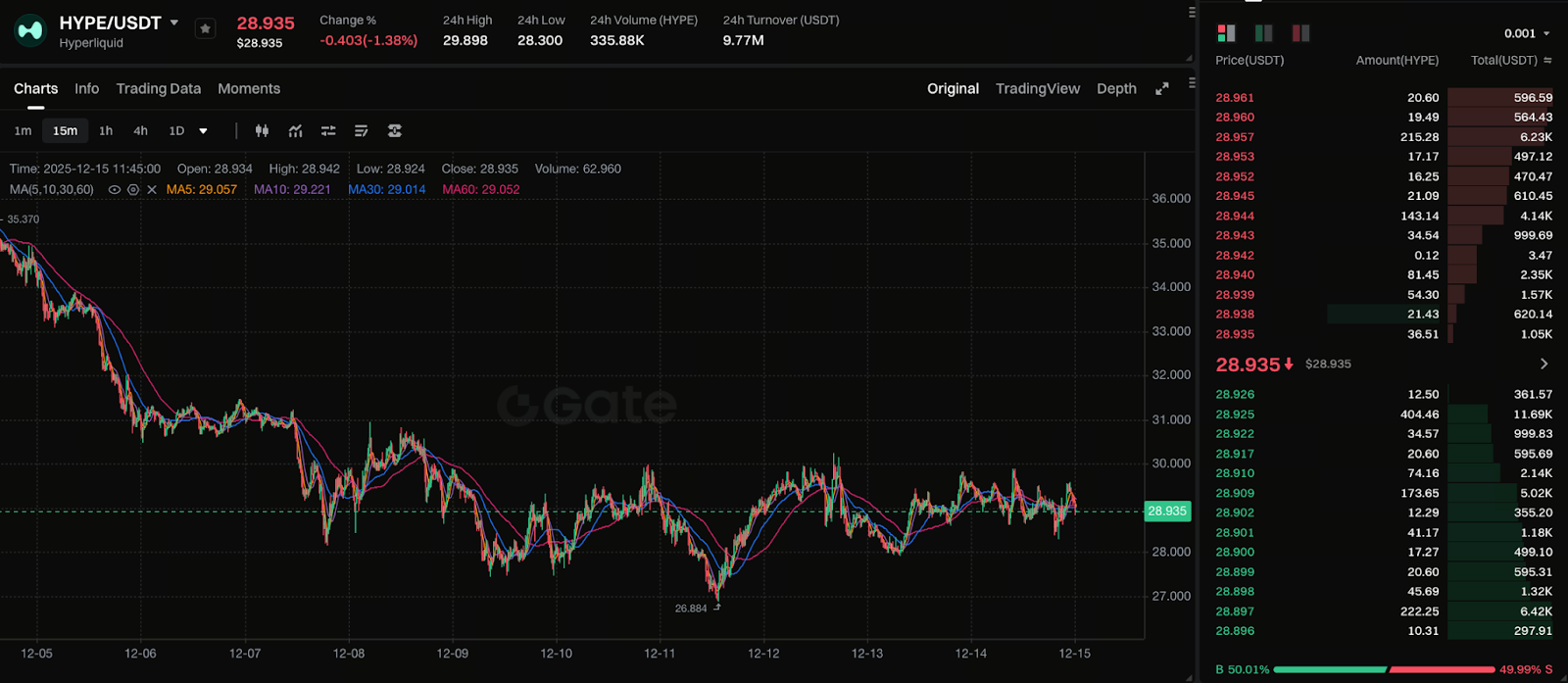
Chart: https://www.gate.com/trade/BTC_USDT
Recently, Bitcoin (BTC) saw a sharp pullback amid significant volatility across the global crypto market. The price quickly dropped below the crucial $90,000 psychological and technical support level, triggering a swift shift in market sentiment from caution to outright panic. According to the latest data, BTC briefly fell to around $88,000 before fluctuating within a high-volatility range.
This downturn results from a combination of macroeconomic factors, market structure, and capital flows—rather than a single cause.
Multiple Bearish Drivers: Core Reasons for Bitcoin’s Downward Pressure
Macroeconomic uncertainty has become a major headwind for risk assets. After the Federal Reserve released its latest policy signals, market expectations for the future economic outlook and monetary policy trajectory diverged, causing risk appetite to cool sharply.
High leverage across the crypto market further fueled the sell-off. When prices broke through key support levels, a wave of liquidations hit highly leveraged long positions, intensifying short-term selling pressure and accelerating the price decline.
$520M Liquidation Wave: Panic Selling Intensifies
Within 24 hours of Bitcoin’s steep drop, the crypto market saw more than $520 million in forced liquidations. Of this total, roughly $379 million came from long positions, highlighting the market’s previous overexposure to bullish bets.
Liquidation waves often fuel a self-reinforcing feedback loop:
- Forced selling triggered by liquidations
- Prices fall further
- Additional positions are liquidated
This chain reaction not only increases volatility but also erodes market confidence, prompting some investors to proactively reduce their risk exposure.
Bearish On-Chain Data: Short-Term Downside Risk Persists
On-chain metrics also signal a bearish outlook. Sentiment indicators like the on-chain “Bull Score” have dropped to historical lows, reflecting continued market pessimism. At the same time, realized losses have yet to reach the levels typically seen during periods of “extreme panic,” suggesting, based on historical trends, that the true medium- to long-term buying window may not have fully materialized.
Additionally, the share of put positions in the BTC options market has increased, indicating that institutions and professional traders continue to hedge against further downside risk.
Federal Reserve Policy Impact: Risk Assets Under Pressure
From a broader macro perspective, recent statements from the Federal Reserve have deeply influenced market sentiment. While rates were nominally cut, the policy statement emphasized economic uncertainty, prompting investors to reassess the value of risk assets in their portfolios.
This shift in sentiment is evident not only in equities but also in the crypto market, as risk-off flows drive capital toward more defensive asset classes.
Key Support Levels and Investor Strategies
Amid heightened volatility, the market is focused on the following support zones:
- Around $90,000: a major psychological and technical support level
- Around $87,000: a lower support zone driven by sentiment and market structure
If BTC holds within these ranges, a short-term technical rebound remains possible. For investors with lower risk tolerance, reducing positions, managing leverage, and maintaining liquidity should remain top priorities. Long-term investors should monitor on-chain data, capital flows, and macroeconomic conditions to determine whether the market is approaching a more attractive entry point.
Conclusion: Short-Term Volatility Does Not Signal a Long-Term Trend Reversal
Overall, Bitcoin’s break below $90,000 reflects a phase of adjustment caused by macroeconomic headwinds and high leverage, not a fundamental rejection of its long-term value.
In a market defined by rising uncertainty, rationally managing volatility, prioritizing risk controls, and making decisions based on both on-chain and macro signals will prove more effective than simply betting on market direction.
Share
Content
Bitcoin Market Turmoil: Why Did the Price Drop Below $90,000?
Multiple Bearish Drivers: Core Reasons for Bitcoin’s Downward Pressure
$520M Liquidation Wave: Panic Selling Intensifies
Bearish On-Chain Data: Short-Term Downside Risk Persists
Federal Reserve Policy Impact: Risk Assets Under Pressure
Key Support Levels and Investor Strategies
Conclusion: Short-Term Volatility Does Not Signal a Long-Term Trend Reversal


Related Articles

2025 BTC Price Prediction: BTC Trend Forecast Based on Technical and Macroeconomic Data

Flare Crypto Explained: What Is Flare Network and Why It Matters in 2025

Pi Coin Transaction Guide: How to Transfer to Gate.com

How to Use a Crypto Whale Tracker: Top Tool Recommendation for 2025 to Follow Whale Moves

What is N2: An AI-Driven Layer 2 Solution