 :
:

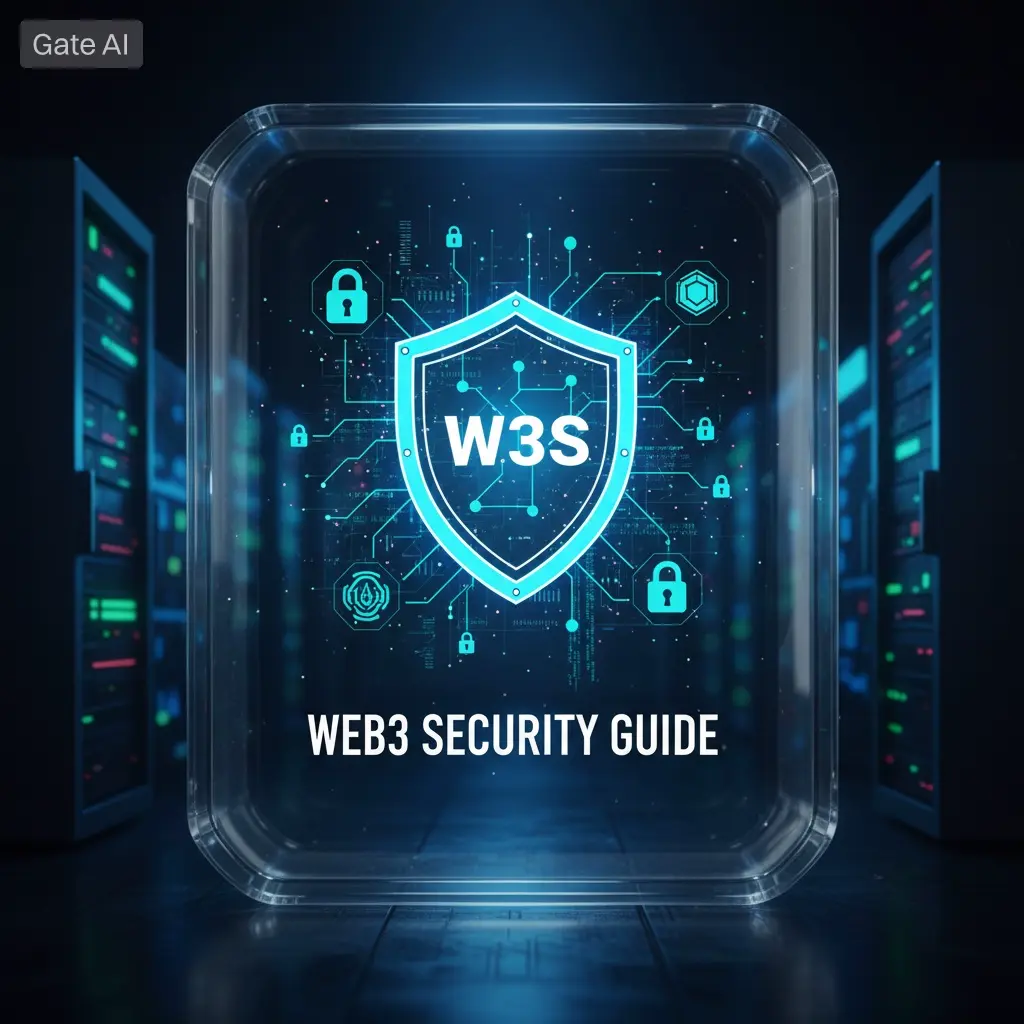
#Web3SecurityGuide
#Web3SecurityGuide
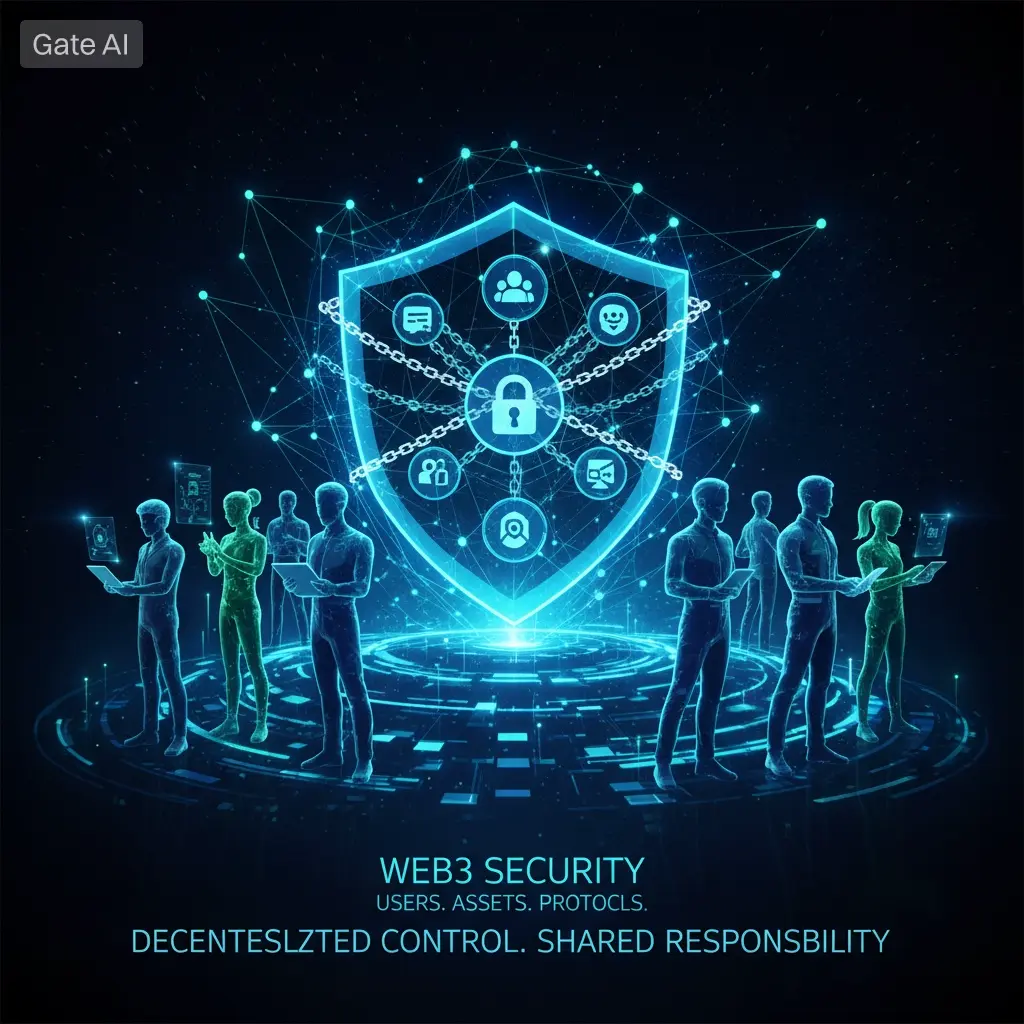
As Web3 adoption continues to grow, security remains one of the most critical pillars for protecting users, assets, and protocols. The decentralized nature of blockchain technology offers greater control, but it also places more responsibility on individuals and platforms to safeguard their funds and data.
In ecosystems involving assets like Bitcoin and other digital tokens, common risks include phishing attacks, smart contract vulnerabilities, compromised private keys, and malicious links or dApps. Understanding these risks is the first step toward building a secure interaction with Web3 platforms.
Best practices include using hardware wallets for long-term storage, verifying contract addresses before transactions, avoiding unknown links, enabling multi-factor authentication where possible, and regularly updating wallet software. Users should also be cautious of unrealistic promises, as scams often exploit hype and urgency.
For developers and protocols, implementing audits, bug bounty programs, and secure coding standards is essential to maintaining trust and minimizing vulnerabilities.
In a rapidly evolving digital landscape, security is not optional—it is a continuous process that requires awareness, discipline, and proactive risk management.
#DeFi #CyberSecurity #DigitalAssets
#Web3SecurityGuide
As Web3 adoption continues to grow, security remains one of the most critical pillars for protecting users, assets, and protocols. The decentralized nature of blockchain technology offers greater control, but it also places more responsibility on individuals and platforms to safeguard their funds and data.
In ecosystems involving assets like Bitcoin and other digital tokens, common risks include phishing attacks, smart contract vulnerabilities, compromised private keys, and malicious links or dApps. Understanding these risks is the first step toward building a secure interaction with Web3 platforms.
Best practices include using hardware wallets for long-term storage, verifying contract addresses before transactions, avoiding unknown links, enabling multi-factor authentication where possible, and regularly updating wallet software. Users should also be cautious of unrealistic promises, as scams often exploit hype and urgency.
For developers and protocols, implementing audits, bug bounty programs, and secure coding standards is essential to maintaining trust and minimizing vulnerabilities.
In a rapidly evolving digital landscape, security is not optional—it is a continuous process that requires awareness, discipline, and proactive risk management.
#DeFi #CyberSecurity #DigitalAssets